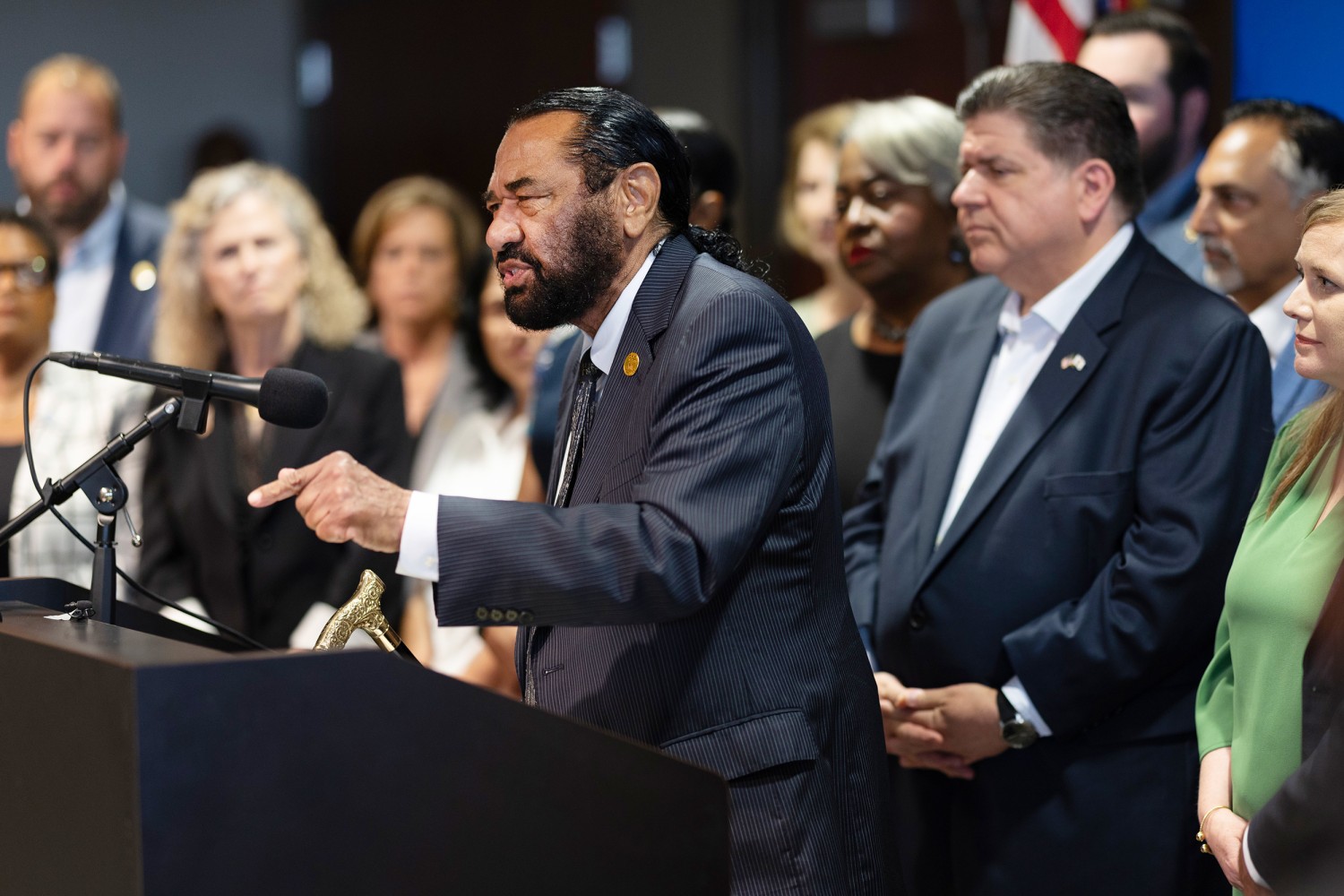

The political strategy that saw Democratic lawmakers leave Texas to block controversial voting legislation has resulted in significant and ongoing financial consequences for the minority party. What began as a dramatic protest tactic has evolved into a sustained financial burden, testing the resources of legislators and their supporters as costs continue accumulating months after the high-profile standoff.
Throughout the summer legislative gathering, over 50 Democratic lawmakers gained national attention by leaving their state to prevent the Republicans from achieving the quorum necessary to proceed with legislative operations. Although this action postponed the voting bill’s enactment, it entailed significant logistical expenses that many of those involved hadn’t completely foreseen. The period spent outside the state in Washington D.C. incurred unforeseen costs such as prolonged hotel stays, security arrangements, legal expenses, and lost income for staff members unable to work during the extended absence.
Campaign finance reports reveal the financial toll extends beyond immediate expenses. Many lawmakers drained campaign accounts to cover costs associated with the quorum break, leaving less funding available for upcoming elections. Some legislators report individual expenditures exceeding $25,000 from their political war chests, with several dipping into personal savings to offset the shortfall. The Texas Democratic Party has attempted to assist through fundraising efforts, but party officials acknowledge they’ve been unable to fully compensate all participants.
The fiscal pressure emerges during an especially inconvenient period, as the 2022 election cycle is already in motion. Republican adversaries have capitalized on the scenario, depicting Democrats as careless with resources in their campaign literature. At the same time, Democratic incumbents are forced to begin fundraising sooner and with more urgency than expected, shifting their focus from policy debates to financial recuperation.
Legal costs are becoming an increasing issue. Some legislators are at risk of penalties and sanctions from the Republican-controlled legislature, while others have faced expenses related to defending against procedural objections and possible arrest orders issued during the confrontation. These unexpected legal expenses continue to accumulate, even though the voting bill they opposed has now been enacted.
The situation has led to internal conversations concerning the strategies for protests and the distribution of resources within the Texas Democratic caucus. Some members wonder if the financial costs will lead to political benefits, while others argue that the moral and symbolic significance justified the expenses. These discussions take place amid Texas’ increasingly contested political environment, where Democrats perceive chances but are still outmatched financially by Republicans.
The difficulties in raising funds have intensified due to donors feeling overwhelmed after the 2020 election period and the simultaneous demands from broader Democratic agendas nationwide. A significant number of regular donors have redirected their focus towards more prominent contests in different states, resulting in Texas Democrats depending increasingly on grassroots donations, which require more effort to obtain in smaller quantities.
The financial repercussions extend beyond elected officials to activist groups and political operatives who supported the quorum break. Several progressive organizations redirected budgets toward the effort, leaving fewer resources for voter registration drives and other ongoing initiatives. Some political staffers report having worked without pay during critical periods, creating personal financial hardships.
As Democrats strive to restore their financial position, Republicans have seized the opportunity to depict their adversaries as being unserious about governance. The GOP’s fundraising campaigns often mention the quorum break, citing it as an example of Democratic obstructionism. This storyline has been successful in mobilizing Republican supporters, thereby exacerbating the financial disparity between the parties in Texas.
The experience has prompted some Democratic lawmakers to call for establishing a contingency fund for future protest actions, while others argue the circumstances were unique and unlikely to recur. What remains clear is that the tactical decision to break quorum, while achieving short-term objectives, has created long-term financial challenges that will influence Texas politics well beyond the current legislative session.
Political analysts suggest the financial aftermath may affect Democratic recruitment efforts for upcoming elections, as potential candidates weigh the personal costs of similar actions in the future. The situation also highlights the resource disparities between the state’s minority and majority parties, demonstrating how procedural battles can have lasting financial consequences in modern politics.
As Texas Democrats work to stabilize their financial situation, the episode serves as a case study in the often-overlooked economics of political protest. The costs of principle, while difficult to quantify, have become an undeniable factor in the party’s strategic calculations moving forward. How they recover financially may determine their ability to compete effectively in one of the nation’s most important political battlegrounds.