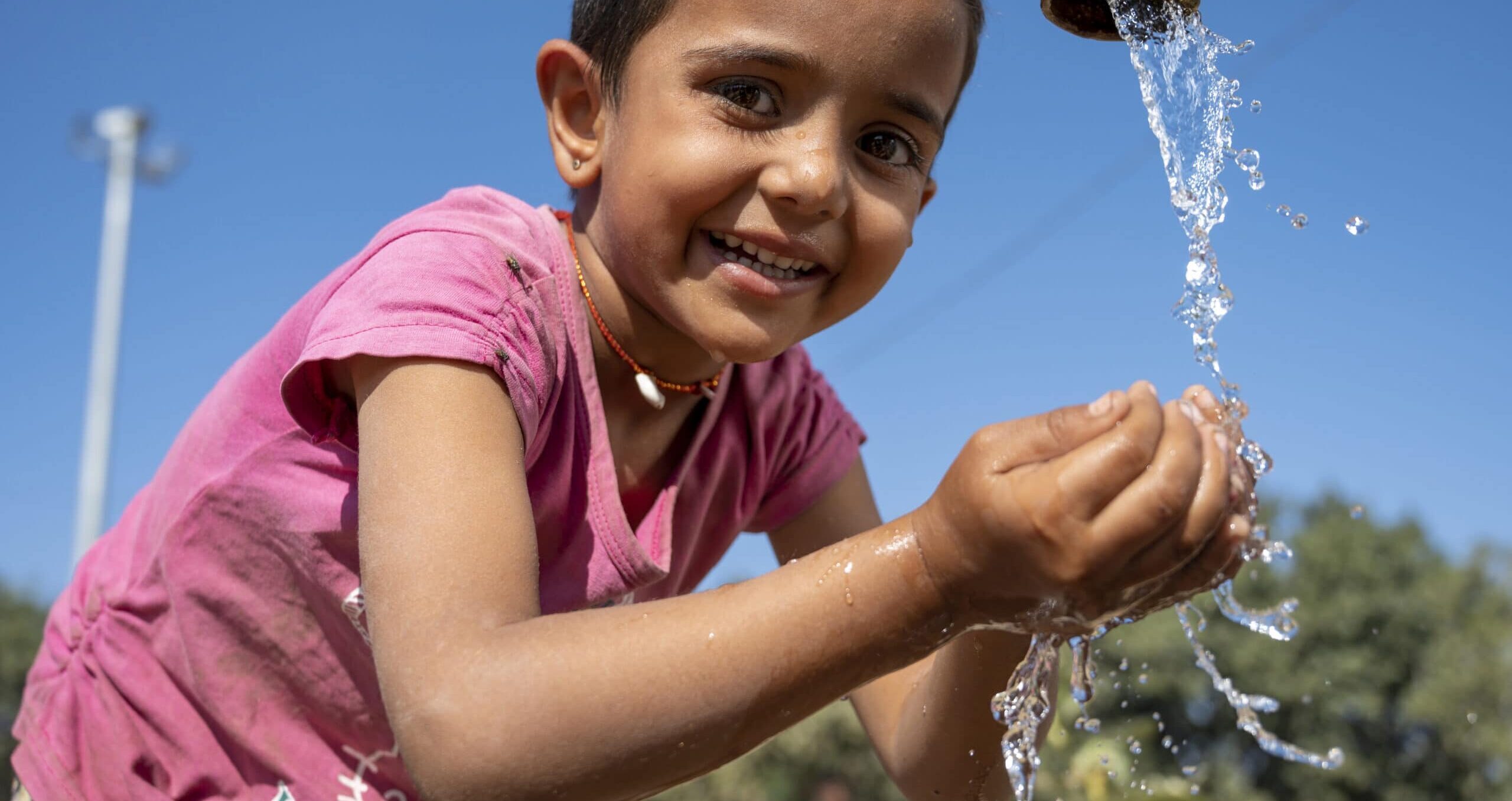

Guatemala confronts one of Latin America’s most severe rates of chronic childhood malnutrition, with stunting affecting nearly half of all children under five in many rural and indigenous areas. Ongoing poverty, restricted access to reliable early childhood services, recurring periods of food insecurity, and deficiencies in water, sanitation, and health systems combine to form a complex challenge: inadequate nutrition hinders children’s ability to learn, while under-resourced education structures diminish families’ long-term opportunities. Corporate social responsibility (CSR) initiatives that integrate nutrition programs with community learning and local economic support can simultaneously tackle several drivers of risk and foster impact that is both scalable and sustainable.
Ways CSR initiatives can bolster child nutrition and enhance community education through effective models and mechanisms
- School feeding with local procurement: Companies either finance or deliver food for school meal programs while collaborating with nearby smallholder farmers to obtain ingredients, broadening dietary options and boosting rural earnings.
- Nutrition education in schools and communities: Corporations provide backing for teaching materials, educator training, and community sessions on breastfeeding, complementary feeding, and hygiene, helping reinforce healthy habits alongside improved food availability.
- Integrated early childhood development (ECD) centers: CSR contributions to community ECD centers integrate nutrition assessments, fortified or supplementary foods, early stimulation activities, and guidance for caregivers to enhance both physical growth and school readiness.
- Public–private partnerships for supply chains and logistics: Firms offer logistics knowledge, cold-chain systems, or distribution networks that strengthen the delivery of micronutrient supplements and fortified foods to hard‑to‑reach locations.
- Workplace and employee engagement: Employee volunteering initiatives and workplace-based family services (such as nutrition counseling and maternal leave policies) encourage broader community participation and extend support beyond the immediate recipients.
Case study: School feeding linked with local procurement and education
In targeted Guatemalan departments, multi-stakeholder school feeding pilots have combined donations from private companies with implementation by international agencies and municipal governments. These programs typically:
- Provide daily meals to children in primary schools to reduce short-term hunger and boost attendance.
- Source a portion of food from nearby smallholder farmers, creating predictable local markets and improving household incomes.
- Include classroom-based lessons on nutrition and hygiene so children and families learn about diverse diets and safe food practices.
Evaluations of comparable models in the region reveal higher school attendance, greater student focus, and broader household dietary variety when procurement strategies intentionally connect smallholder farmers with school meal supply chains, while the model’s CSR value stems from demonstrable gains in education, nutrition, and local economic development.
Case study: Community-based nutrition and early stimulation programs supported by CSR
Nonprofit organizations in Guatemala have carried out community-based growth tracking, practical sessions on complementary feeding, and caregiver training, efforts frequently supported or expanded through corporate alliances. Common elements involve:
- Regular growth monitoring and screening at community centers or ECD facilities to identify and refer undernourished children.
- Cooking demonstrations using locally available nutrient-dense ingredients, combined with take-home rations or micronutrient supplements sponsored by corporate donors.
- Early stimulation and pre-school readiness activities integrated with feeding sessions to support cognitive development alongside physical growth.
Corporate partners have enhanced impact by financing monitoring tools, backing mobile health units, and contributing to initiatives that encourage shifts in social behavior. Programs that integrate early stimulation with nutritional support tend to yield more substantial gains in child development than strategies focused solely on nutrition.
Case study: Private-sector technical assistance for supply chains and oversight
Several CSR initiatives in Guatemala tackle logistical and data-related obstacles that hinder overall program performance. Private firms have offered contributions such as:
- Logistics management to ensure timely delivery of fortified foods and supplements to remote schools and community centers.
- Digital tools and capacity-building for monitoring child growth and program delivery, enabling faster course corrections and evidence-based scale-up.
- Co-funding of impact evaluations and operational research to document what works and make results public.
Where CSR includes technical assistance and data systems, partners report higher fidelity in implementation and stronger accountability of public and nonprofit actors.
Measured impacts and evidence
Studies and assessment initiatives from Guatemala and comparable settings suggest that integrated nutrition‑education CSR efforts are capable of delivering:
- Higher school attendance and a noticeable drop in short-term hunger among the children involved.
- Enhanced caregiver understanding of feeding practices for infants and young children, along with more consistent household nutrition habits.
- Greater earnings within local communities when purchasing gives preference to smallholder producers, ultimately reinforcing overall food security.
- Improved early learning achievements when nutritional support is combined with stimulation activities and pre-primary education.
Integrated efforts across nutrition, healthcare, sanitation, and early stimulation tend to deliver the most substantial improvements, especially when CSR funding works through government or donor systems instead of functioning independently.
Challenges, risks, and best practices for CSR design
- Alignment with national priorities: CSR must complement and not duplicate government services; alignment with public nutrition plans improves sustainability.
- Community ownership: Programs driven by external funding can falter without local buy-in; investing in local management and capacity-building is essential.
- Nutrition quality and equity: Food donations must meet nutritional standards and prioritize the most vulnerable—indigenous and rural children often bear the highest burden.
- Monitoring and transparency: Donors should support rigorous monitoring and publish results to allow learning and replication.
- Long-term financing: Short-term CSR grants help start programs, but blending company funds with government budgets and donor financing secures long-term impact.
Ways for businesses to broaden their impact throughout Guatemala
- Co-invest in broad early childhood initiatives across the country that integrate nutrition, healthcare, and cognitive stimulation, with corporate funding helping expand reach while governments retain overall oversight.
- Pledge multi-year purchasing commitments for smallholder farmers to help stabilize their earnings and enhance the quality of local diets.
- Back applied research efforts and randomized evaluations carried out with universities and NGOs to determine the most cost-efficient interventions for Guatemala’s varied regions.
- Tap into employee expertise in areas such as logistics, marketing, and data analytics to provide pro bono assistance that boosts program effectiveness and visibility.
- Create gender-responsive initiatives that equip mothers and caregivers with training, cash support, or income-generating options linked to improved nutrition results.
Guatemala’s substantial challenge with chronic child malnutrition stems from multiple factors, and the most effective responses are integrated approaches. CSR that intentionally connects school meals and community nutrition with education, local sourcing, technical skills development, and sustainable financing can yield clear improvements in growth, learning, and household stability. Initiatives that emphasize coordination with public institutions, community stewardship, and meticulous monitoring enhance both humanitarian and economic outcomes, transforming corporate assets and expertise into lasting progress for children’s health and educational opportunities.