
Table of Contents
What Does Vicente Fernández Represent in Mexican Culture?
The cultural tapestry of Mexico is rich with traditions, music, and personalities that have significantly influenced its identity both nationally and internationally. Among these prominent figures, Vicente Fernández stands as an iconic symbol in Mexican culture, embodying the essence of regional music, deep-rooted traditions, and national pride.
Legacy in Music
Vicente Fernández is often referred to as “El Rey de la Música Ranchera,” a title that underscores his irreplaceable role in the perpetuation of ranchera music—a genre that holds historical and social significance in Mexico. Originating from the Mexican countryside, ranchera music speaks to themes of love, betrayal, patriotism, and pride. Fernández’s resonant voice and emotive performances have brought these themes to life, creating a bridge between the past and the present.
Over a career spanning more than five decades, Fernández released numerous albums, many of which have become timeless classics. Songs such as “Volver, Volver” and “El Rey” have not only topped music charts but have also become anthems sung across generations. His ability to connect with audiences through heartfelt lyrics and passionate performances has ensured that his music remains eternal in the hearts of Mexicans.
A Symbol of Mexican Identity
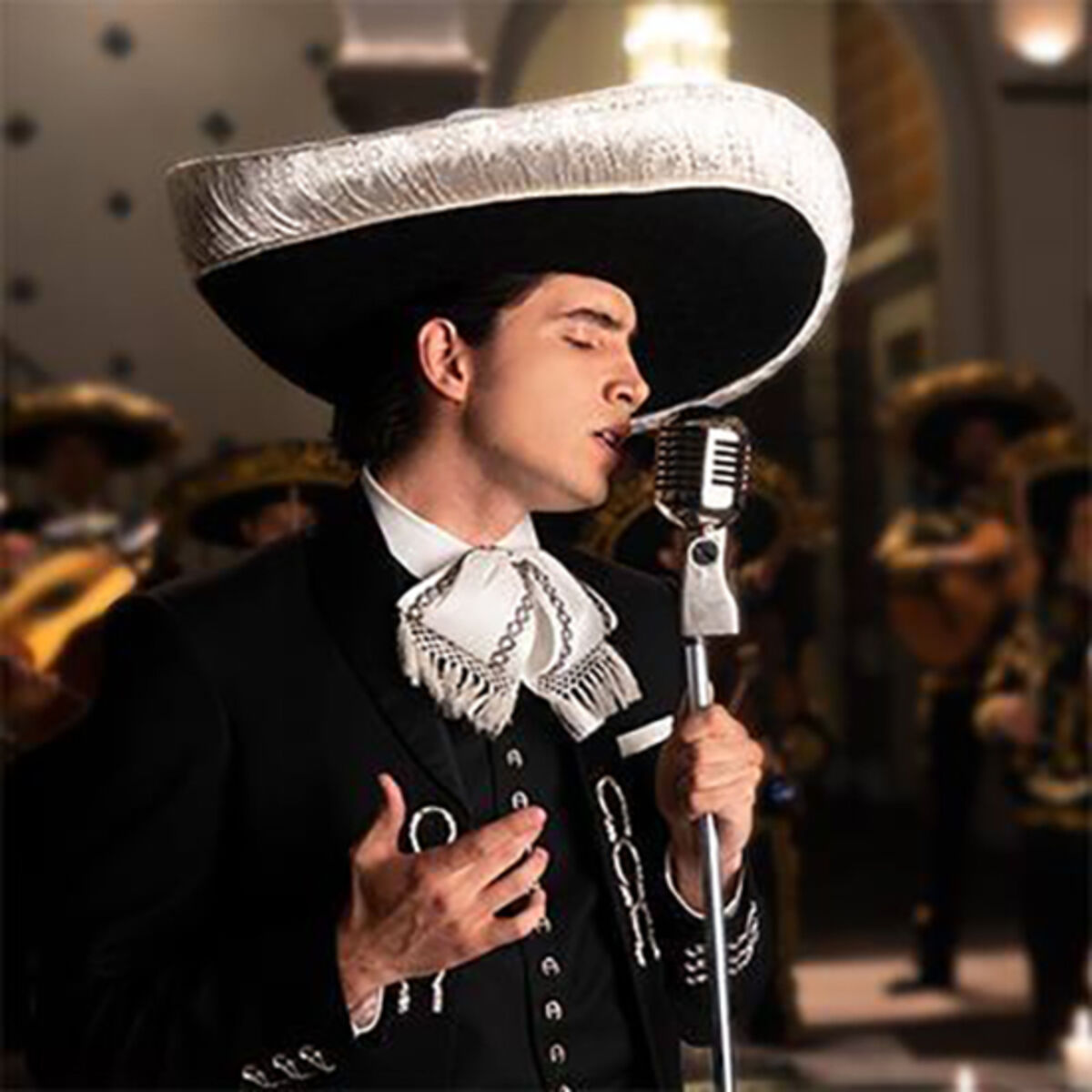
In addition to his accomplishments in music, Vicente Fernández is an iconic emblem of Mexican heritage. Commonly pictured in traditional charro clothing—featuring a hat, fitted trousers, and a decorated coat—Fernández personifies the essence of the mariachi, a vital cultural aspect intertwined with national pride. His persona evokes nostalgia and a sense of patriotism, serving as a reminder to Mexicans of their abundant cultural legacy.
Fernández’s concerts often turned into showcases of Mexican culture. With vibrant costumes, traditional dances, and performances that celebrated Mexico’s diverse history, he became an ambassador of cultural pride. His public appearances and personal conduct further reinforced the values of loyalty, integrity, and family—a testament to classic Mexican virtues.
Impact Across Nations
While Vicente Fernández’s impact is deeply felt within Mexico, his influence extends well beyond its borders. As an ambassador of Mexican culture, he has captivated international audiences, introducing them to the richness of Mexican music and traditions. His performances in iconic venues such as Madison Square Garden and the Auditorio Nacional drew crowds that transcended cultural and linguistic barriers, showcasing the universal appeal of his music.
Fernández’s influence also created opportunities for upcoming generations of Latin American artists. By remaining faithful to the origins of Mexican music while expanding its limits, he has motivated numerous musicians to celebrate their cultural identities and explore worldwide influences. His accomplishments offer a model for artists seeking to harmonize authenticity with innovation.
Personal Battles and Triumphs
Vicente Fernández’s journey is not only one of triumph but also of determination and strength. Emerging from humble beginnings, he encountered various obstacles before attaining fame. These hardships connect with numerous Mexicans who view Fernández as an inspiration, a figure who overcame difficulties with perseverance and dedication.
His battles with health issues in later years also showcased his unwavering spirit. Even in the face of personal difficulties, Fernández remained committed to his art, performing in sold-out shows until his retirement. His enduring dedication to his craft serves as an inspiration and a reminder that true passion knows no bounds.
Integrated Summary
In reflecting on the multi-faceted legacy of Vicente Fernández, we see the embodiment of Mexican culture—one that embraces its past while continuously moving forward. Through his music, image, and personal story, Fernández has become more than a cultural icon; he is a living testament to the enduring spirit of Mexico. His contributions echo in the hearts of those who have experienced and cherished his artistry, reinforcing the foundations of cultural identity and pride for future generations to uphold and celebrate.