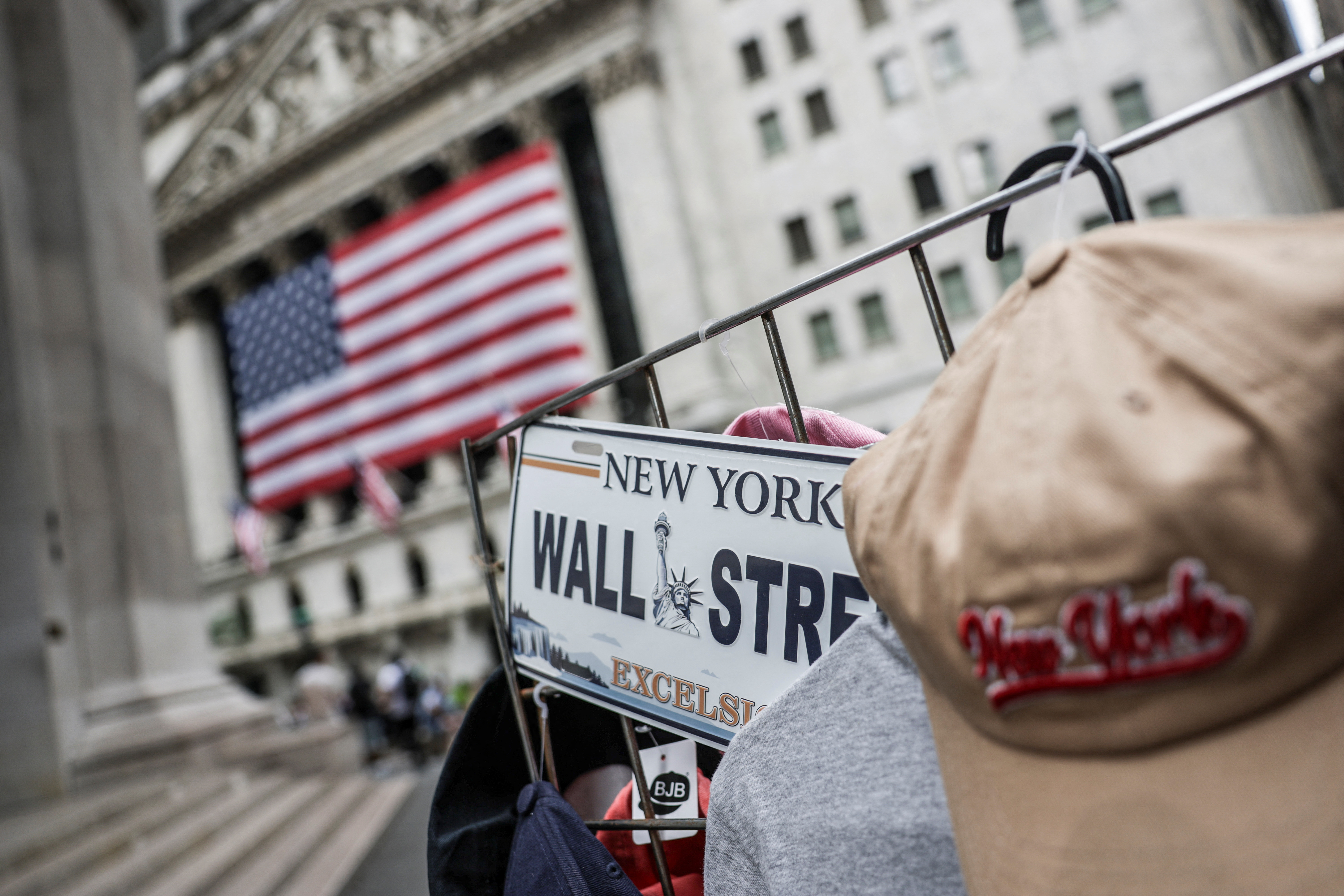

The U.S. stock market marked a significant milestone as the S&P 500 index reached a record high close, driven largely by renewed confidence in international trade negotiations. Investor sentiment appeared to shift in a positive direction, bolstering major indices across the board and signaling a potentially stronger economic outlook as barriers to trade begin to ease.
Este incremento se produjo cuando los mercados reaccionaron positivamente a señales de avance en varias discusiones comerciales globales importantes. Aunque los detalles de muchas de estas negociaciones siguen siendo confidenciales, la percepción general de estabilidad y el avance hacia compromisos han elevado la confianza de los inversores e inyectado nueva vitalidad a los mercados.
The rise, driven in part by advancements in the tech and financial industries, mirrors widespread hopes that better trade partnerships might lead to enhanced corporate profits, increased efficiency, and greater access to international markets for American firms. The positive sentiment linked to these possible results seems to have surpassed ongoing worries about inflation and monetary policy.
Trade policy has remained a dominant theme in global financial markets over the past several years, with shifting alliances, tariffs, and negotiations creating both volatility and opportunity. Recent developments indicate that long-standing tensions may be softening, at least temporarily, which could restore a sense of predictability for multinational corporations and investors.
Many market participants view these trade breakthroughs as a critical step toward restoring supply chain consistency, stabilizing prices, and creating an environment conducive to growth. As companies navigate the challenges of a post-pandemic global economy, reduced friction in trade policy could offer a much-needed tailwind.
On the day the S&P 500 closed at its new peak, several sectors outperformed expectations. Tech stocks, particularly those in semiconductors and cloud computing, saw notable gains, reflecting optimism about continued demand and the potential easing of restrictions on cross-border sales. Financial institutions also rallied, benefiting from expectations of increased global business activity and capital flows.
The industrial and consumer discretionary sectors also played a role in the upturn, indicating strong investor belief in consumer expenditures and corporate investments. These factors are frequently regarded as initial signals of economic strength and positive growth.
On the other hand, sectors like utilities and consumer staples, which are typically considered defensive, experienced less robust performance. This suggests a change in investor preference towards stocks that are focused on growth.
The S&P 500’s record close is not occurring in a vacuum. Global markets have been watching trade developments closely, and many international indices also experienced gains amid the optimism. Europe and Asia reported strong performances in response to similar trade sentiments, reinforcing the interconnected nature of modern financial markets.
A synchronized global advancement in commerce might boost the confidence of investors worldwide and contribute to expansive economic development on a global scale, especially in developing countries that depend significantly on exports.
While the trade-driven rally has captured attention, the Federal Reserve’s stance on interest rates and inflation remains a key consideration. Investors are still monitoring inflation data and central bank commentary closely to anticipate future monetary policy decisions.
Any unforeseen actions by the Fed or sudden changes in inflation statistics might still influence market dynamics. Nevertheless, at this moment, the prevailing sentiment seems to be one of guarded optimism, as trade progress provides a balance to worries about monetary tightening.
Another factor supporting the S&P 500’s upward trajectory is stronger-than-expected corporate earnings in certain sectors. Companies that have successfully navigated supply chain constraints and adapted to shifting consumer behavior continue to post resilient profits. This, in turn, supports higher valuations and investor willingness to engage in equity markets.
Analysts consider that if trade trends keep progressing favorably, more businesses might gain from easier import-export operations, lowered tariffs, and greater reach to global clients. This would additionally bolster profit expansion in future quarters.
Although the prospects are optimistic, potential threats persist. International trade deals can be intricate, and discussions might stall. Collapse in negotiations or the introduction of fresh tariffs could rapidly undo the progress achieved lately. Furthermore, political uncertainties, changes in energy markets, and rising inflation continue to present obstacles to ongoing economic expansion.
Investors are also wary of market corrections following strong rallies, especially in an environment where economic data remains mixed. While optimism is high, market participants are aware that sentiment can shift quickly if external conditions change.
For now, the mood in equity markets appears buoyant. The S&P 500’s record close is a reflection of investor belief that the worst of the trade disruptions may be in the rearview mirror, and that improved economic cooperation could open the door to renewed growth.
If the current trajectory continues, it could mark a turning point for both markets and the global economy. A reduction in trade friction, combined with supportive corporate earnings and easing inflationary pressures, may create an environment ripe for expansion.
However, sustained progress will depend on the ability of global leaders to maintain momentum in negotiations and follow through with policy changes that support long-term trade stability.
The S&P 500’s record high close signals renewed confidence in global trade and economic growth. While challenges persist, the market’s positive reaction suggests that investors are encouraged by the prospect of reduced trade tensions and stronger international cooperation. Continued progress in this area could help support sustained market gains and set the stage for a more robust global recovery.
As usual, investors will be keenly observing developments in trade and economic reports to assess the sustainability of this rally. At present, the record high symbolizes optimism that international cooperation could once more serve as a catalyst for market strength and growth.