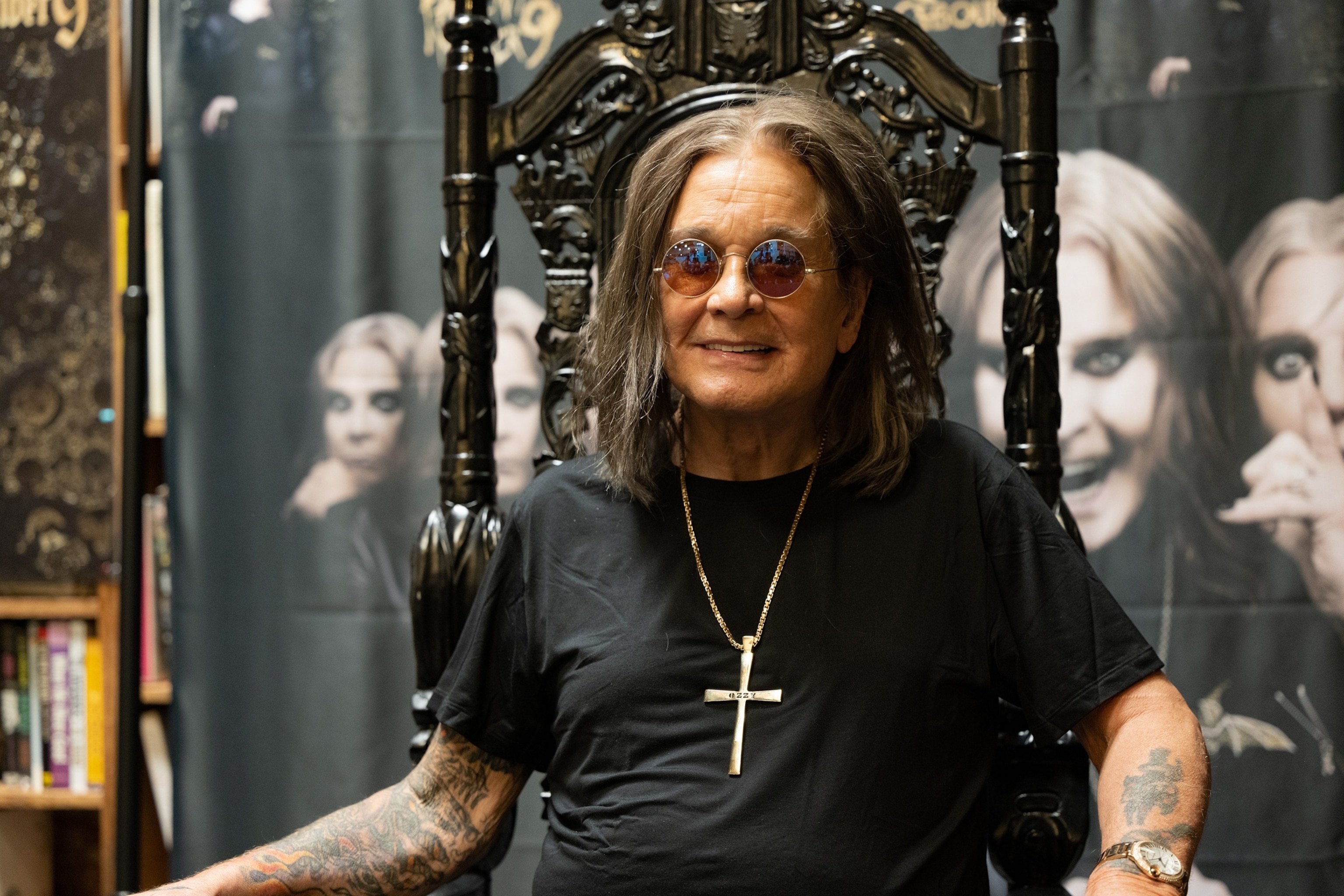

As one of the most influential and controversial figures in rock history steps away from the stage for good, the global music community has come together to celebrate the legacy of Ozzy Osbourne. The announcement of his permanent retirement from live performances has sparked an outpouring of tributes from fellow musicians, actors, and fans across the world, each echoing a similar sentiment—there simply will never be another artist like him.
Ozzy Osbourne’s career spans over five decades and includes countless iconic moments. Rising to fame as the frontman of Black Sabbath in the late 1960s, he helped pioneer a darker, heavier sound that would ultimately lay the foundation for heavy metal as a genre. With haunting lyrics, thunderous riffs, and an unmistakable stage presence, Osbourne didn’t just perform music—he created an atmosphere that reshaped what rock could be.
The impact of his pioneering in music continues to be experienced today. Bands like Metallica, Slipknot, and Iron Maiden, along with many current hard rock groups, acknowledge Osbourne and Black Sabbath as their first and most pivotal inspirations. His readiness to test new grounds, challenge conventions, and his captivating unpredictability encouraged newer generations of artists to explore limits and celebrate their creative liberty.
In the wake of his retirement, tributes have poured in across social media and in interviews. Rock legends and pop icons alike have spoken out, offering their appreciation for Osbourne’s contributions to music and culture. Many have described him as a fearless innovator—someone who wasn’t afraid to be loud, to be different, to be himself. Artists have shared personal memories of meeting him backstage, of hearing Black Sabbath for the first time, or of simply watching him perform with a kind of energy that made audiences feel both electrified and strangely understood.
Maybe what endears Osbourne to so many, apart from his music, is the openness and sincerity he showed throughout his career. Although his performances were intense and dramatic, he consistently spoke candidly about his battles with substance abuse, mental wellness, and the toll that extensive touring had on his health. Over time, these revelations only heightened the respect many had for him—he was genuine, imperfect, and relatable, yet somehow still seemed larger than life.
Osbourne’s announcement came after a long and public battle with health issues, including a Parkinson’s diagnosis and spinal injuries. These challenges have increasingly made it difficult for him to tour, leading to the cancellation of multiple shows and eventually to his final decision to step back completely from live performance. In a message to his fans, he expressed deep regret for not being able to give them the show they deserved, but also gratitude for the decades of unwavering support he’s received from around the world.
Although his influence extends beyond music, Osbourne’s presence in popular culture remains significant. His reality television series, The Osbournes, offered audiences an unfiltered and comedic glimpse into his personal life, endearing him to a fresh group of fans and revealing a gentler, family-oriented aspect of the man known as the “Prince of Darkness.” The show’s popularity contributed to redefining masculinity in rock music—demonstrating that it could be both strong and compassionate, unconventional yet profoundly loving.
While Osbourne may be retiring from the stage, he has made it clear that he is not disappearing entirely. His most recent albums have been critically well-received, and he continues to collaborate with artists across genres. There is also speculation about more studio projects, memoirs, and other creative endeavors in the years to come. In true Ozzy fashion, the curtain may have closed on touring, but not on his story.
What is remarkable at this point is the wide range of individuals honoring him—not only prominent figures in heavy metal, but also popular pop icons, punk rock groups, and independent artists. This says a great deal about Osbourne’s extensive impact. His effect went beyond musical categories. He introduced a dramatic flair to music like few others, and he achieved this without losing his authentic self. He didn’t alter himself to match the world; instead, he adapted the world to align with his vision.
The respect being displayed currently also reveals a deeper reality: artists like Ozzy Osbourne are rare. He wasn’t merely a vocalist in a group; he symbolized a movement. He set forth a unique style, musical identity, and essence that will endure beyond his own existence. Some musicians amuse, while others shape entire eras—Ozzy was undoubtedly in the latter category.
In his farewell message, Osbourne thanked his fans, his family, and his longtime collaborators for standing by him throughout his highs and lows. But it’s clear that the gratitude goes both ways. Fans and fellow artists alike are grateful for the music, for the honesty, and for the permission to be themselves—loudly, unapologetically, and without compromise.
While tributes keep pouring in, one fact is clear: Ozzy Osbourne’s legacy is well established. His music will keep resonating in dimly lit clubs, festival venues, garages, and headphones globally. His story will be recounted to new admirers in the years ahead. And his voice, distinctive and memorable, will reverberate through the corridors of rock history as one of its most vital.
Although the time of Ozzy performing on stage might be concluding, the essence of his legacy persists. In the words of those who knew him, collaborated with him, or were just his admirers from a distance—there genuinely won’t be another like Ozzy.