
The rise of TikTok has sparked a profound transformation across the fashion industry, shaping trends, broadening creative expression, and altering how brands engage with their audiences. Recognized for its quick, captivating videos, TikTok has evolved into a dynamic hub where fashion lovers and creators exchange style ideas, ignite viral movements, and set new benchmarks for the industry.
The Power of Viral Trends
Fashion on TikTok is driven by its unique capacity to generate viral content rapidly. A trend can gain traction overnight, spreading across the globe and influencing consumers’ purchasing decisions. For example, the “cottagecore” aesthetic, which emphasizes pastoral, romantic styles reminiscent of a simpler, rural life, gained immense popularity through TikTok. Users showcased outfits featuring floral prints, flowy dresses, and gentle, earthy tones, leading to a surge in demand for related items in retail outlets.
Moreover, TikTok’s algorithm favors content that resonates with users, allowing fashion trends to emerge organically. Unlike other platforms where advertising budgets might dictate visibility, on TikTok, creativity and authenticity often take precedence, allowing new and small fashion brands to reach large audiences with minimal expenditure.
The Expanding Democratization of Fashion
Traditionally, fashion has been shaped by designers, celebrities, and magazines, but TikTok upends this structure by allowing anyone with a smartphone to step into the role of fashion influencer; this shift broadens who gets to participate, elevating a wider range of viewpoints and aesthetics, while enabling people to explore content from creators of varied cultural backgrounds, body types, and ages, ultimately fostering a more inclusive appreciation of diverse fashion styles.
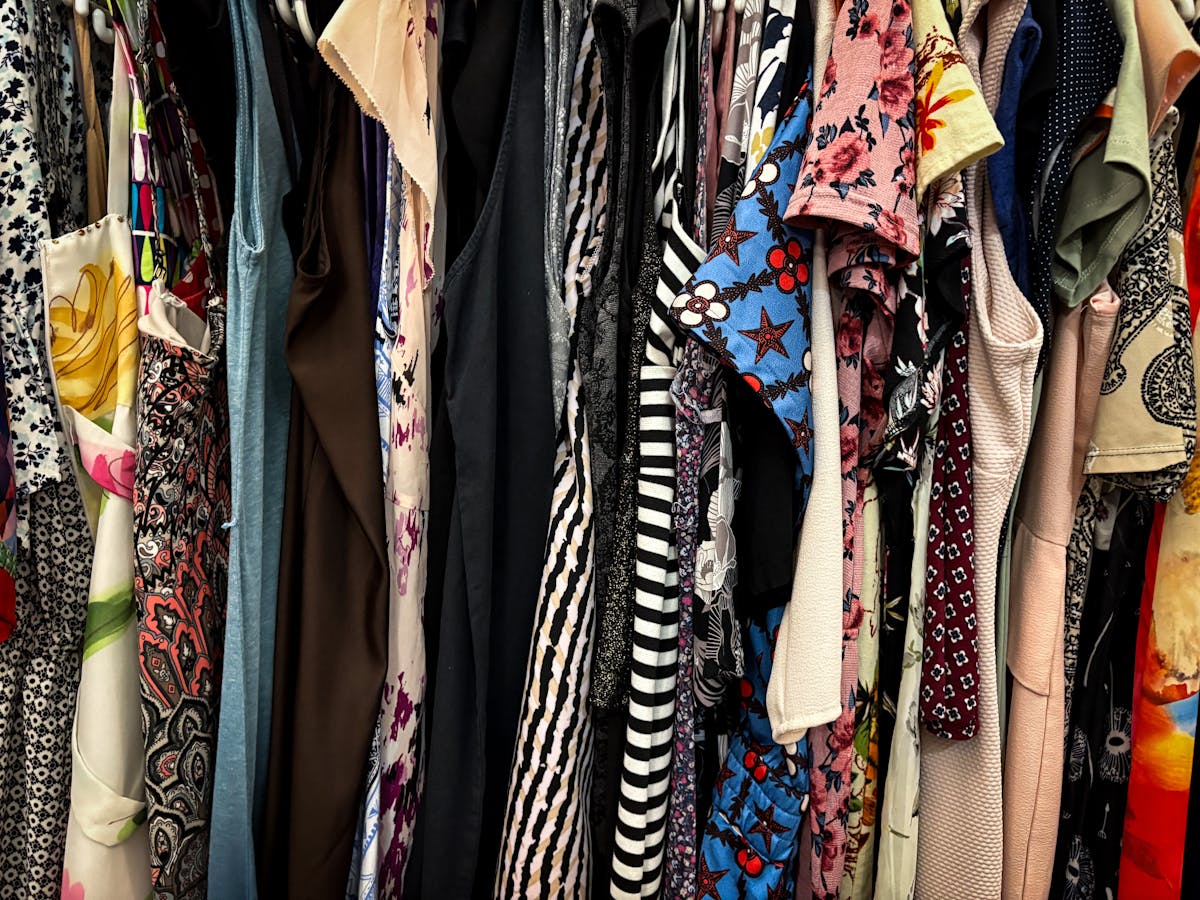
An example is the rise of thrift flipping, a practice where individuals buy second-hand clothing and modify or upcycle them into trendy pieces. TikTok’s platform has given thrift flippers a stage to inspire others to embrace sustainable fashion, reducing fast fashion’s environmental impact and encouraging viewers to creatively reimagine their wardrobe choices.
Brand and Consumer Interaction
TikTok has revolutionized how brands interact with consumers. Through engaging and interactive content such as challenges, duets, and collaborations with TikTok influencers, brands can forge deeper connections with their target audiences. This interactive environment fosters a sense of community and belonging among users, enhancing brand loyalty and engagement.
Many fashion labels, for example, have effectively used TikTok’s platform to launch style challenges that prompt users to recreate outfits featuring their products. These efforts not only boost brand exposure but also motivate users to produce their own content, widening the brand’s reach without relying on conventional advertising expenses.
Influencer and User-Generated Content
Influencers on TikTok play a crucial role in shaping fashion trends. These creators, across various niche interests, can influence their followers’ style choices simply by posting a short video. The authenticity of TikTok influencers often resonates more with followers than traditional celebrity endorsements, as their content tends to be more relatable and down-to-earth.
User-generated content is another pivotal element of TikTok’s influence on fashion. When users share their style or participate in fashion-related trends, they contribute to the platform’s ever-evolving fashion landscape. This democratization allows users not only to consume content but to be creators who push the boundaries of fashion norms.
Through its ability to quickly disseminate content and engage users on a personal level, TikTok stands as a catalyst for change in the fashion industry. The platform has empowered individuals to shape fashion trends, created pathways for smaller brands, promoted sustainability through practices like thrift flipping, and fostered a digital community where fashion is more inclusive and experimental than ever.