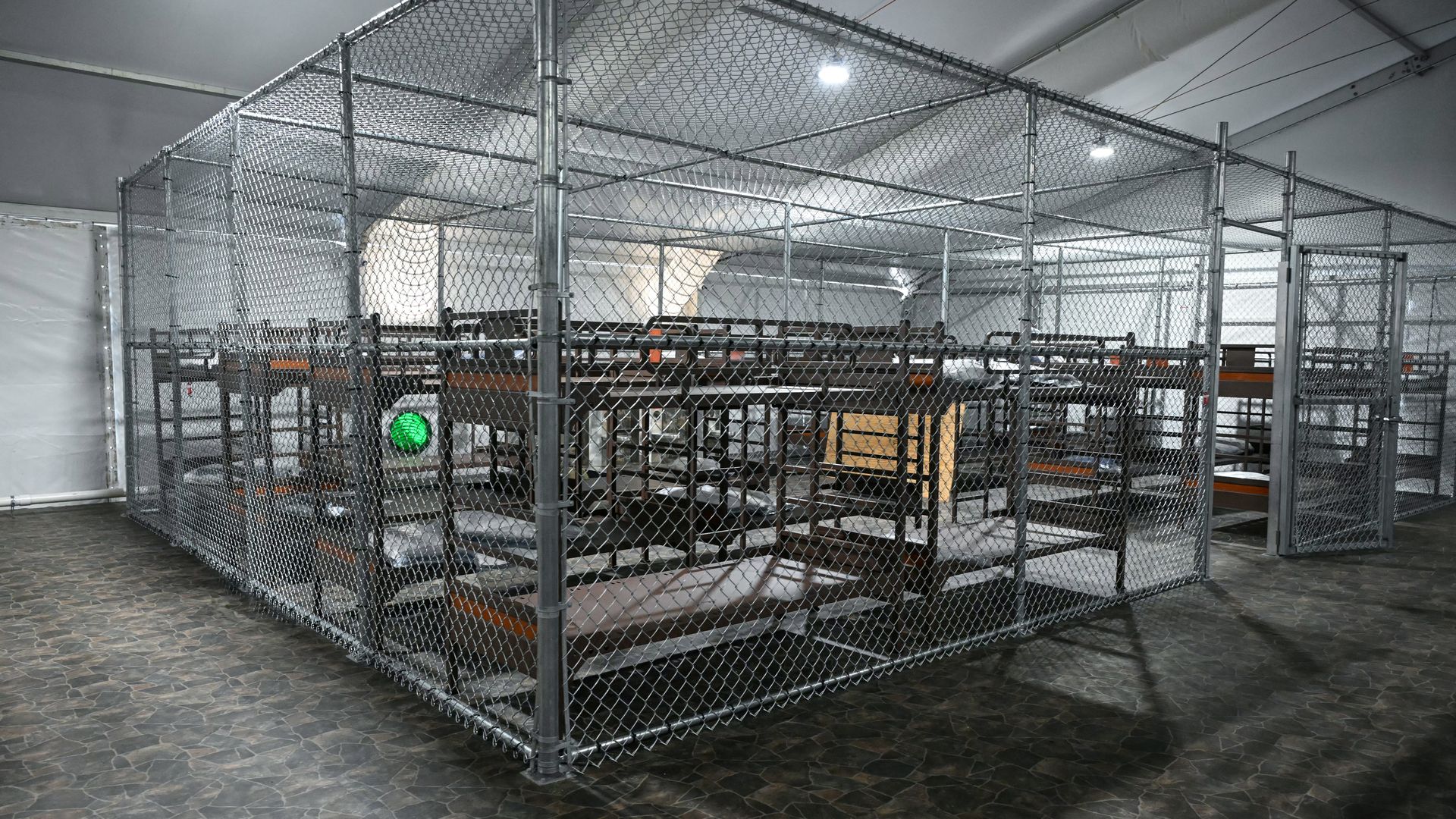

Florida has commenced deportation flights from a freshly opened detention center positioned far inside the state, as an element of a larger plan to enhance immigration control. This center, occupying a secluded site formerly utilized as a juvenile correctional facility and informally known as “Alligator Alcatraz” due to its remoteness and encircling wetlands, is now pivotal to the state’s new initiatives to address unauthorized immigration.
The launch of these flights signals a significant shift in Florida’s handling of immigration operations. State officials have pledged to escalate arrest and removal efforts in the coming months, citing concerns over border security and federal immigration policy. The decision to utilize the secluded site underscores the administration’s intent to carry out these efforts with limited public interference and increased logistical independence.
The detention facility, managed under the jurisdiction of the Florida Department of Law Enforcement along with the Division of Emergency Management, forms a component of a state-funded immigration initiative that was founded in 2022. This program, which initially targeted the transfer of migrants to various states, has expanded into a more comprehensive enforcement system concentrating on apprehending and deporting individuals residing in the country without legal authorization.
According to state officials, the new wave of deportations will be conducted via chartered flights departing from regional airports, with the detained individuals held at the rural facility prior to removal. The state has not disclosed specific destinations or the number of individuals processed so far, though public statements indicate that operations are expected to expand rapidly.
The position of the site—encircled by marshlands and reachable solely via a lone road—provides security benefits, yet also poses difficulties concerning monitoring and entrance. Legal supporters and immigration advocacy groups have voiced worries regarding the program’s openness and the capacity of lawyers, relatives, and media to either reach the establishment or connect with the individuals held there.
Critics have also questioned the legality of a state-led deportation program, pointing out that immigration enforcement is typically the purview of the federal government. While Florida’s leadership maintains that the initiative is legal under state law and complements federal efforts, immigrant rights groups argue that the approach may violate constitutional protections and contribute to the criminalization of migration.
Although there are worries, the authorities in Florida have strengthened their position on immigration. The leaders in the state portray this effort as a reaction to what they consider to be a lack of federal action, especially concerning border regulations and the relocation of migrants. The fresh push for enforcement is being characterized as both a preventive measure and a practical answer to what state representatives argue is an unmanageable surge of undocumented migrants.
The facility’s use marks a stark departure from previous immigration processing methods. Historically, individuals detained in Florida were processed through federal facilities or released with a notice to appear in court. The state-run program instead allows for direct transfer to a controlled facility, bypassing some of the traditional federal processing mechanisms.
Supporters of the initiative claim it boosts community safety and strengthens legal enforcement. They cite cases where people with previous deportation orders or criminal backgrounds were discovered residing in the state unlawfully. They argue that the new framework allows for quicker detection and deportation of these individuals.
However, immigration policy experts warn that aggressive state-led actions can have unintended consequences. Fear of enforcement may discourage individuals from reporting crimes, seeking medical care, or enrolling children in school. In some communities, news of increased deportation activity has already caused unease, with local organizations reporting reduced participation in public services and community programs.
The funding for the initiative has also drawn scrutiny. Tens of millions of dollars have been allocated to support the program, including costs related to transportation, housing, staffing, and legal logistics. Some lawmakers have questioned whether this spending delivers measurable results or simply serves a political narrative.
The discussion surrounding Florida’s immigration initiative highlights a broader national rift regarding the extent of state involvement in immigration enforcement. While certain voices advocate for increased local authority due to perceived shortcomings at the federal level, others caution that these actions may result in excessive legal measures and breaches of civil rights.
As deportation flights begin and the state prepares to scale up its operations, legal challenges are likely to follow. Civil liberties organizations are already exploring potential lawsuits to challenge the constitutionality of the initiative, and some elected officials have called for greater oversight and accountability.
In the next few months, the direction and effect of Florida’s immigration enforcement strategy will be crucially evaluated. Regardless of whether the approach leads to a lasting policy shift or encounters legal challenges, it is evident that the state is placing itself at the center of a divisive and highly politicized national debate.