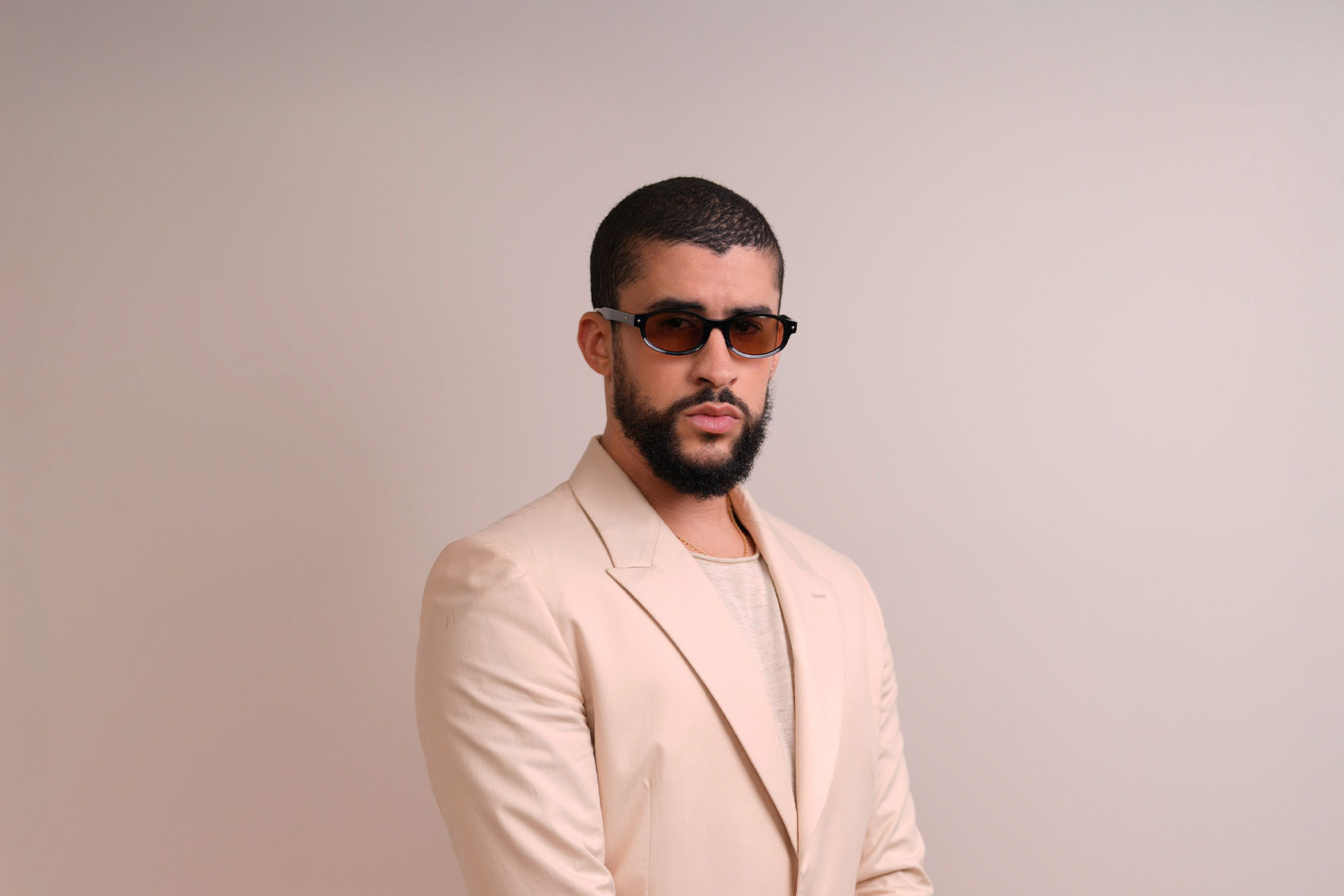

Bad Bunny, the worldwide music sensation recognized for redefining both sound and fashion, has once again drawn notice—not with a hit song or a tour that sold out, but through an audacious fashion statement: ballet flats. The reggaeton and trap icon recently appeared wearing this typically feminine footwear, highlighting another instance in his continuous effort to question conventional gender roles in celebrity culture and fashion.
Widely praised for his innovative sound and versatile fashion sense, Bad Bunny has established a reputation for himself by challenging traditional norms. Be it through colorful nails, bold accessories, or wearing skirts at glamorous events, the Puerto Rican musician seamlessly mixes masculine and feminine elements, igniting both admiration and discussion. His most recent outfit—with understated ballet flats complementing a casual outfit—perpetuates this dialogue, affirming his role as a groundbreaking figure in fashion and culture.
Choosing to wear ballet flats during a prominent event might appear to be a minor decision, but it holds significance both in the fashion industry and outside of it. Typically linked with women’s attire, ballet flats symbolize grace, refinement, and moderation. For a male artist like Bad Bunny to openly adopt this style questions the traditional beliefs about men’s clothing. This action quietly yet effectively stretches the limits of contemporary masculinity.
Fashion critics and pop culture analysts were quick to react. Some hailed the look as another example of Bad Bunny’s fearless commitment to personal expression, while others viewed it as a calculated move designed to generate buzz. Yet even among the skeptics, there was acknowledgment of the cultural significance of the moment. At a time when mainstream fashion is grappling with questions of inclusivity and identity, his choice of footwear fits squarely within a broader movement toward gender-neutral dressing and body-positive visibility.
Bad Bunny’s aesthetic choices don’t exist in a vacuum. They reflect and influence global conversations about freedom of expression, especially within Latino culture, where traditional views on gender roles have long been more rigid. By stepping into ballet flats—quite literally—he opens doors for younger fans who may feel confined by societal expectations. His actions suggest that confidence and authenticity matter more than labels, and that style should be about self-expression rather than conformity.
In interviews, Bad Bunny has often spoken about his desire to be himself without limits. He’s repeatedly emphasized that his fashion decisions are driven by mood, comfort, and message—not by what’s considered “appropriate” for men. His runway appearances, magazine covers, and public events have featured him in a range of styles: from flamboyant streetwear to custom couture that blurs lines between gendered fashion. The ballet flats moment adds another dimension to that evolving personal narrative.
The selection of attire is part of a wider movement in the fashion world. High-end labels and large retailers are now adopting gender-neutral collections and promoting inclusivity in their marketing strategies, with shoes taking center stage. Ballet flats, previously categorized solely as women’s footwear, are now being redesigned to appeal to a broader audience. Fashion designers are providing more options with larger sizes, neutral colors, and styles that suit any gender, mirroring evolving preferences and societal changes.
Opting for ballet flats, Bad Bunny is not merely aligning with trends—he’s shaping them. His significant influence, especially on the younger audience, leads to his fashion decisions often sparking conversation and emulation. Stores are already observing a heightened curiosity in men’s ballet flats since his showing, signifying that an impact is happening. As with many of his prior fashion moments, what started as an individual choice has rapidly become a cultural reference point.
There’s also a deeper, artistic layer to this move. Ballet, as a discipline, is known for its physical rigor, creative expression, and emphasis on form. By drawing a connection—visually or symbolically—to the world of dance, Bad Bunny may be signaling a respect for artistry that transcends genres. Whether intentional or not, the reference evokes a kind of physical poetry: just as ballet dancers use their bodies to express emotion, he uses clothing to communicate ideas about freedom, vulnerability, and resistance.
The reaction from the public has been understandably varied. Numerous enthusiasts admired his bold fashion statements and cheered the portrayal of uniqueness, while some felt puzzled or uneasy. However, this kind of tension is exactly where cultural shifts occur. Performers such as Bad Bunny are essential in redefining societal norms by embracing uniqueness. They function as mirrors, not only reflecting changes in society but also assisting in molding them.
Beyond aesthetics, his decision to wear ballet flats also speaks to the democratization of fashion. In an era where social media can elevate any image into a viral moment, what a celebrity wears becomes part of a larger narrative about identity, power, and visibility. Bad Bunny’s fashion statements often go beyond personal taste—they are acts of self-definition in a world where public figures are scrutinized at every turn. His ballet flats aren’t just shoes—they’re symbols.
As he gains more prominence in the realms of music and fashion, Bad Bunny’s impact remains as strong as ever. Every time he steps into the spotlight, he seizes the chance to defy established beliefs and reshape standards—not solely for men, Latinos, or artists, but for anyone looking for the freedom to express their true selves. His choice to wear ballet flats might appear as a subtle gesture, but to many, it signifies a significant stride in the continuous interplay between fashion and personal identity.
Bad Bunny’s newest fashion selection serves as a reminder that style goes beyond cloth—it’s a declaration of identity, a means of communication, and an expression of uniqueness. Whether in ballet flats or not, he continues to follow his own beat—boldly, imaginatively, and without apologies.