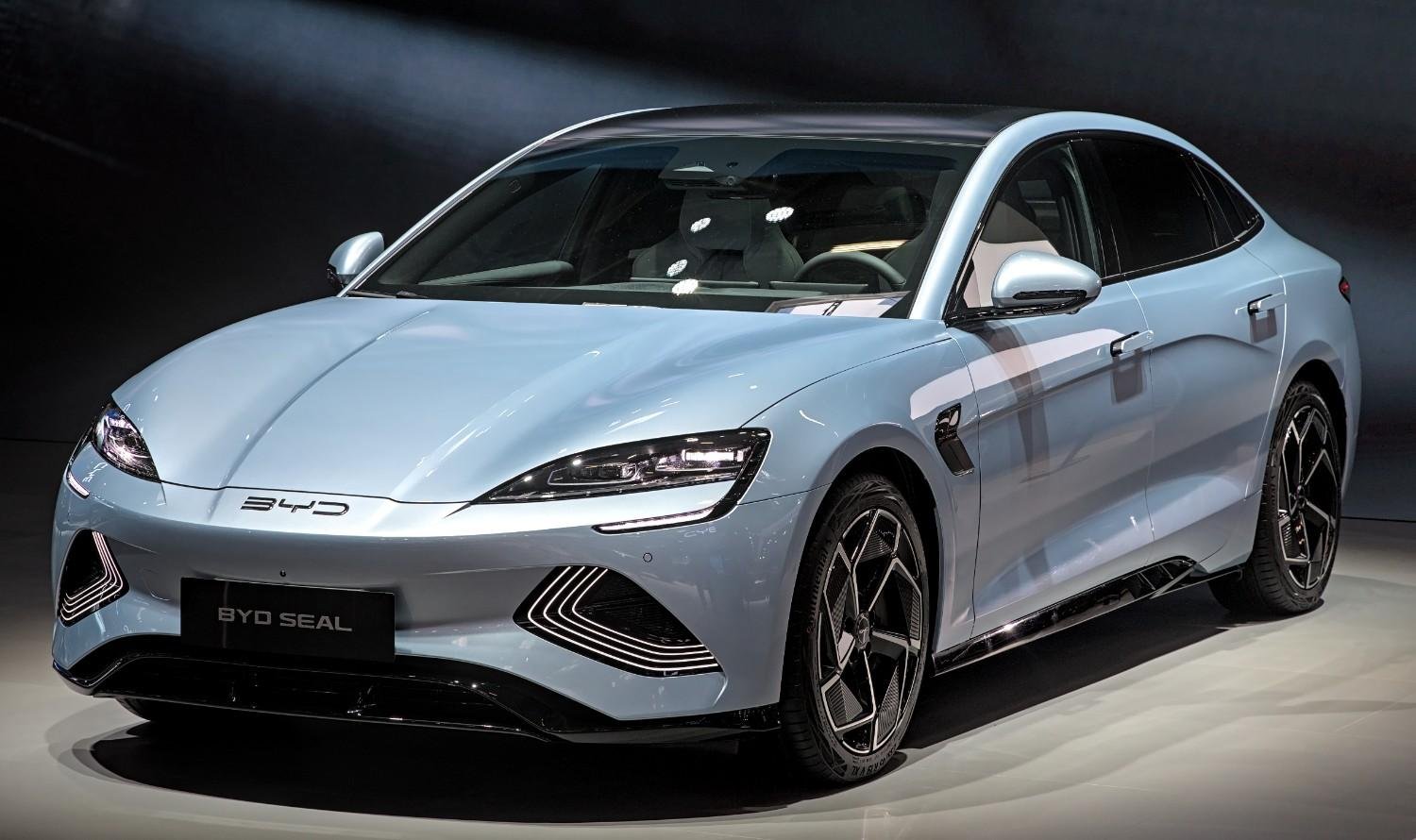

China’s electric vehicle market has become one of the most competitive sectors in the global automotive industry. Once seen as a steady growth story, the segment is now facing a turbulent period marked by aggressive pricing strategies. BYD, a major player in the EV landscape, recently experienced a significant decline in its share value as profit margins came under pressure from a relentless price war among manufacturers.
The competition within the EV industry in China has intensified as more companies enter the market and existing brands fight to maintain market share. For consumers, this battle translates into lower prices and greater accessibility. However, for automakers like BYD, it has introduced new challenges that threaten profitability and long-term stability. Investors are now questioning how sustainable these strategies are and what they mean for the broader electric mobility sector.
BYD, which has grown into a global powerhouse with strong domestic dominance, has relied on innovation, cost efficiency, and a diverse product lineup to stay ahead. Yet even these advantages have limits when rival companies adopt aggressive price cuts to lure customers. In recent months, industry leaders, including Tesla’s China operations, have also lowered prices, sparking a chain reaction among domestic brands. This dynamic has forced BYD to adjust pricing structures, compressing margins and raising concerns about future earnings.
The Chinese government’s long-standing support for electric vehicles through subsidies and incentives initially created a favorable environment for growth. But as these incentives were gradually reduced, competition shifted toward price as the key differentiator. Companies with vast resources can afford prolonged discounting, while smaller manufacturers risk insolvency. For BYD, balancing affordability with profitability has become increasingly complex, particularly as raw material costs for batteries and components remain volatile.
The company’s recent earnings reports reflect this reality. Although unit sales have continued to rise, revenue growth has not translated into equivalent profit gains. Lower margins signal that while consumer demand remains robust, the financial rewards for manufacturers are shrinking. This imbalance has unsettled investors, contributing to the decline in BYD’s share price. The market reaction underscores how sensitive investor confidence is to profitability rather than just sales volume in a rapidly evolving industry.
Analysts in the industry caution that the pricing conflict may have wider implications beyond just the companies involved. Ongoing price cuts could result in mergers within the sector, as less robust companies find it hard to continue. Although this merging might eventually benefit the industry by removing inefficiencies, the immediate upheaval could be significant. Car manufacturers that do not adjust to the changing pricing climate face the risk of not only reduced margins but also losing their competitive advantage in a marketplace that is getting more crowded.
Another aspect of this issue is technology investment. Creating electric vehicles demands significant financial resources for advancing battery systems, self-driving capabilities, and charging networks. When earnings are squeezed, businesses have limited capacity to support these initiatives, which can impede the speed of technological advancement. For BYD, staying at the forefront of innovation is crucial, but this is harder to achieve when funds are allocated to keeping prices competitive.
Global economic factors add more complexity to the scenario. Rising inflation, varying costs of raw materials, and unstable currencies increase the unpredictability in an already challenging market. Moreover, geopolitical elements and changing trade regulations impact supply chains and manufacturing expenses. These conditions make it more difficult for firms such as BYD to make precise forecasts and devise strategic plans. Although the long-term prospects for electric vehicle acceptance are optimistic, challenges to short-term profitability must not be overlooked.
Customer anticipations are also changing. Although cost is still a crucial element, purchasers are growing more interested in sophisticated features, longer driving distances, and enhanced charging solutions. Addressing these needs necessitates continuous investment in technology, a challenge intensified during times of margin squeeze. Organizations that cut back on innovation to keep prices down may harm their brand’s reputation and lag in product excellence. This careful balancing act is influencing the tactics of all leading electric vehicle producers, including BYD.
Despite these challenges, BYD retains several strengths that could help it weather the storm. The company’s vertically integrated structure provides some control over supply chain costs, while its broad product portfolio caters to diverse market segments. Additionally, BYD’s experience in battery manufacturing offers an advantage in cost optimization compared to rivals that rely heavily on third-party suppliers. These factors provide resilience, but whether they are sufficient to counteract the effects of an extended price war remains uncertain.
Investors are now paying close attention to the company’s forward guidance. Signals about pricing strategies, cost management, and innovation plans will influence market sentiment in the coming quarters. Some analysts believe that once the price war stabilizes, leading brands such as BYD will emerge stronger by capturing a larger share of the market. Others caution that the damage to profitability could persist longer than anticipated, creating headwinds for stock performance even in a growing industry.
The electric vehicle sector in China remains critical to the global transition toward sustainable mobility. As the world’s largest EV market, developments within China have implications for manufacturers, suppliers, and investors worldwide. BYD’s current challenges illustrate the complexities of competing in a rapidly maturing industry where growth opportunities coexist with structural risks. The company’s ability to adapt to these conditions will not only determine its own trajectory but also provide insight into the future dynamics of the EV market.
While this is happening, buyers are enjoying lower prices, which is helping to make electric cars available to more people. Yet, this benefit for consumers poses challenges for producers, as they must manage a market where pricing tactics are at odds with the necessity for profits and cutting-edge advancements. For BYD and the whole industry, the next few years will determine if it’s feasible for aggressive pricing to align with sustainable business approaches within one of the most revolutionary sectors today.