
As the temperatures keep climbing throughout the United States, the basic relief of remaining cool in the summer is slipping away for millions of Americans. What used to be a common aspect of contemporary life—air conditioning—has become a financial strain that numerous families find challenging to manage.
This shift is driven by several interconnected factors, including surging energy prices, aging housing infrastructure, and the growing intensity of heat waves linked to climate change. For families living on tight budgets, these changes present not just a matter of comfort but also a serious public health concern.
The growing cost of keeping cool
Los precios de la electricidad han estado incrementándose de manera constante en los últimos años, con los costos de servicios públicos alcanzando niveles históricos en muchos estados. De acuerdo con datos de la industria energética, las tarifas residenciales de electricidad han subido más de un 10% en ciertas áreas en tan solo un año, obligando a las familias a tomar decisiones difíciles sobre cuándo—y si es que—pueden permitirse el lujo de encender sus aires acondicionados.
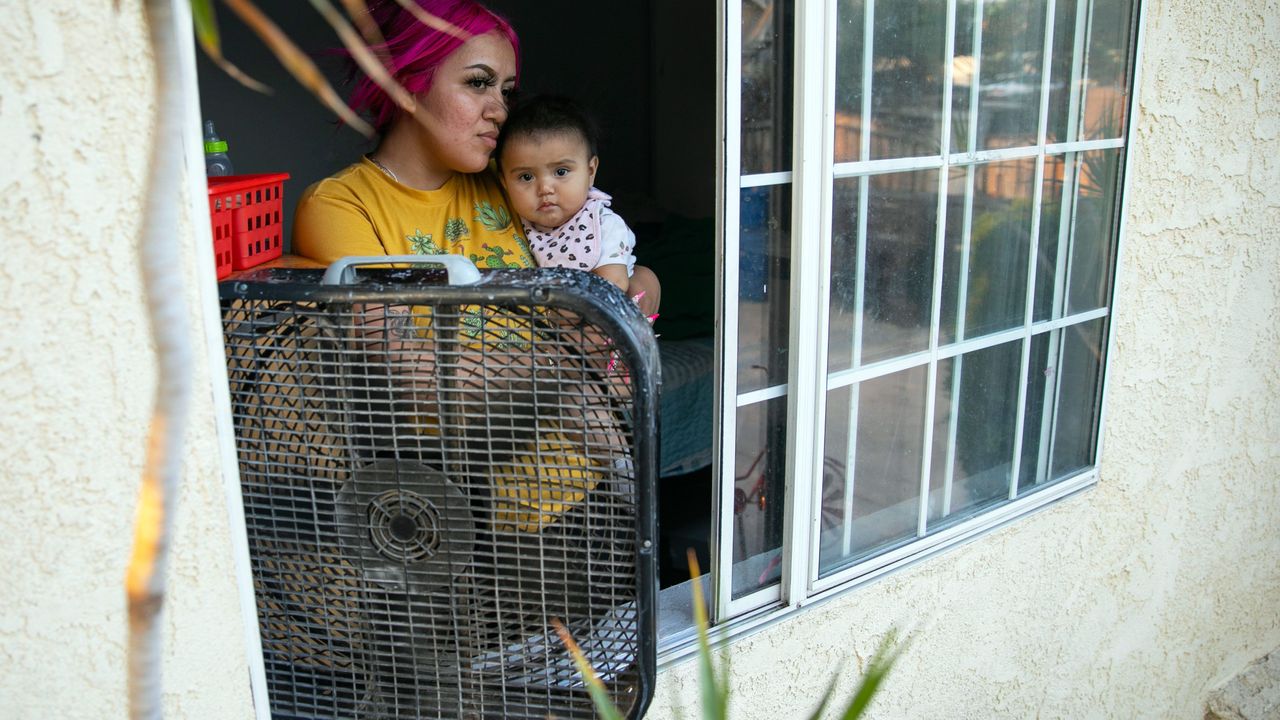
For lower-income families, the problem is even more pronounced. Many live in older homes with poor insulation, making cooling systems work harder and consume more energy. Some renters face an additional hurdle: their landlords may not provide efficient cooling options or allow upgrades. This leaves tenants with outdated, energy-hungry units that drive up monthly bills even further.
Climate change and the rising heat threat
The financial challenge of staying cool is amplified by the growing intensity and duration of heat waves. Cities across the U.S. are experiencing record-breaking temperatures year after year, creating conditions that can be dangerous—even deadly—for vulnerable populations such as the elderly, young children, and individuals with chronic health conditions.
Public health experts warn that heat-related illnesses are on the rise, and the inability to afford adequate cooling solutions could lead to more hospitalizations and deaths during extreme heat events. Communities in states like Texas, Arizona, and Nevada, where summer temperatures regularly soar into triple digits, are among the hardest hit.
Energy aid initiatives are insufficient
While government programs and nonprofit organizations offer some relief through energy assistance funds, demand often exceeds supply. The Low Income Home Energy Assistance Program (LIHEAP), for example, helps millions of Americans pay their utility bills each year, but the funding is limited and not all applicants qualify. As inflation drives up the overall cost of living, many households find themselves caught in a gap—earning too much to qualify for aid but too little to comfortably cover skyrocketing utility expenses.
A widening energy equity gap
The increasing gap in the ability to afford fundamental cooling solutions highlights a more profound concern of energy fairness in the United States. More affluent families frequently benefit from energy-saving devices, advanced thermostats, and solar energy systems that help decrease expenses over time. In contrast, individuals with limited means often depend on outdated, inefficient equipment that is more expensive to run. This situation continues to place financial pressure on these communities and increases health risks for low-income populations during severe weather events.
Possible remedies and the path forward
Experts suggest that addressing this crisis will require a combination of policy changes, infrastructure upgrades, and community-level initiatives. Expanding access to energy efficiency programs, increasing funding for assistance programs, and incentivizing landlords to install modern cooling systems are among the proposed solutions. Additionally, renewable energy adoption and grid modernization could help stabilize electricity costs over time, making cooling more accessible for everyone.
Nevertheless, these options necessitate considerable funding and extended planning. Meanwhile, millions of Americans confront the difficult choice between keeping cool and affording other vital necessities like groceries, medicine, or accommodation.
Reasons why this matter is currently more significant than before
As climate change accelerates, extreme heat events are expected to become more frequent and severe, placing additional pressure on energy systems and household budgets. Without decisive action, cooling could remain an unattainable luxury for many families, exacerbating social and health inequalities across the country.