
As Alzheimer’s disease persists in impacting millions across the globe and effective therapies remain scarce, researchers are venturing into an ambitious new path: using cancer medicines for different purposes. Studies are bringing awareness to the potential that drugs initially created for tumor treatment might aid in slowing down, or possibly reversing, the cognitive deterioration linked with Alzheimer’s. This groundbreaking approach seeks to speed up the creation of treatments and provide fresh optimism for patients who require it.
The concept behind this strategy is intriguing: numerous cancer treatments that have already been deemed safe for humans can swiftly proceed into Alzheimer’s clinical trials. These medications are being studied for their potential to affect biological processes involved in both cancer and Alzheimer’s—such as inflammation, protein misfolding, and altered metabolic pathways.
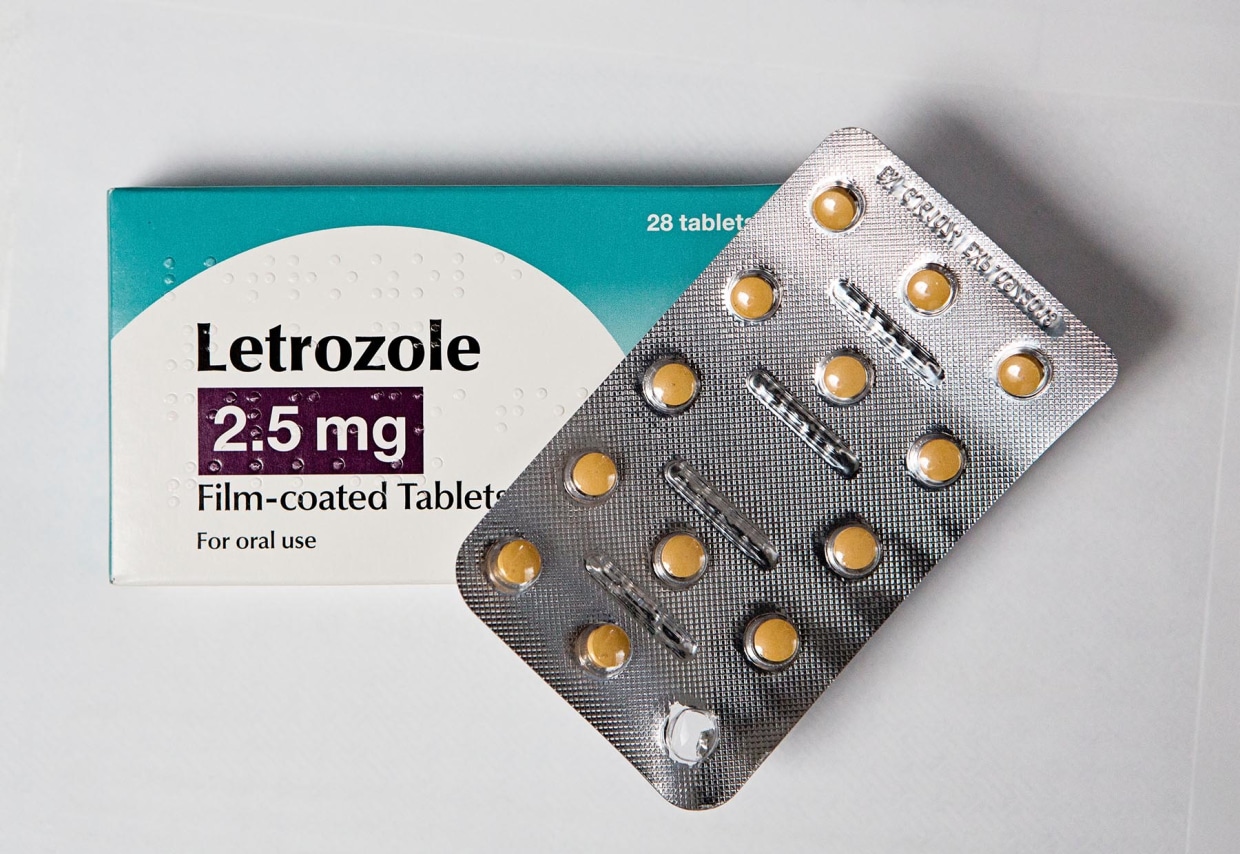
One prominent example involves drugs like letrozole and irinotecan, used in breast, colon, and lung cancer treatment. In laboratory experiments, these medications appeared to counteract Alzheimer’s by reversing harmful gene expression patterns found in brain tissue. Preclinical animal studies showed that a combination of these drugs reduced protein aggregation, improved memory, and reduced neuron loss in Alzheimer’s models. Epidemiological data also hinted at lower Alzheimer’s risk in older adults previously treated with these agents—suggesting potential protective effects in humans as well.
Investigators also continue to examine targeted therapies such as bexarotene and tamibarotene. These agents, initially prescribed for certain types of cancer, act on receptors that regulate protein clearance in the brain. Early mouse studies revealed reductions in amyloid plaques (one hallmark of Alzheimer’s) and improvements in cognition. While the results are promising, the safety profiles of these drugs over longer-term use in older adults remain under scrutiny.
In another strategy, scientists tested saracatinib, a molecular kinase inhibitor first developed for cancer, which showed ability to restore memory and brain function in animal models of dementia. Though it did not prove effective in cancer trials, it demonstrated neuroprotective effects in Alzheimer’s research and is now being studied in early human trials to test tolerability and effectiveness.
Meanwhile, immunotherapy drugs known as IDO1 inhibitors—being evaluated for cancers like melanoma and leukemia—are emerging for their ability to correct disruptions in brain glucose metabolism in Alzheimer’s models. In mice, these drugs improved energy processing in crucial brain cell types and restored cognitive performance. This metabolism‑focused mechanism offers a fresh angle for treating neurodegeneration.
Experts suggest that Alzheimer’s and cancer share several underlying biological traits, including abnormal cell signaling, inflammation, vascular changes, and protein aggregation. By targeting pathways common to both diseases, cancer therapies may slow degeneration through mechanisms separate from traditional Alzheimer’s drugs, which largely focus on amyloid or tau proteins.
Several cancer drugs are already in clinical trials for Alzheimer’s treatment. These include kinase inhibitors such as dasatinib and bosutinib, immunomodulatory agents like lenalidomide, and histone deacetylase inhibitors. While some trials are still in early phases, others have completed testing in small groups, generating insights into safety and dosage.
Analysts warn that numerous cancer medications can lead to major side effects, which could be dangerous for elderly individuals or vulnerable patients. Issues related to the digestive tract, hormonal imbalances, and weakened immune systems are some of the concerns. As a result, scientists stress that repurposing these drugs should thoroughly consider advantages and drawbacks, beginning with closely observed trials and cautious dosage levels.
Nonetheless, the benefits of repositioning existing drugs cannot be overlooked: lower development expenses, pre-established production protocols, and concrete safety data can significantly shorten the timeline for becoming available to patients. Computational approaches—integrating gene expression analysis, extensive data exploration, and patient medical records—are speeding up the discovery of potential candidates and enhancing the design of clinical trials.
If even one of these cancer drugs proves effective and safe for Alzheimer’s, it would represent a substantial breakthrough. Unlike existing approved medications that only modestly slow cognitive decline, these therapies offer potential for actual repair of brain circuits and reversal of disease symptoms in early stages. For patients and families facing the emotional devastation of memory loss, that is profound hope.
Nevertheless, the journey from promising laboratory findings to proven human intervention is long. Alzheimer’s remains a complex disease involving multiple overlapping brain pathways. Researchers stress that a combination of drugs—and potentially pairing these with lifestyle or metabolic therapies—may be needed to attain meaningful outcomes. From diet interventions to immune modulation, future Alzheimer’s care could resemble a more holistic, personalized model.
In the broader landscape, the exploration of cancer medications may dovetail with other emerging strategies for Alzheimer’s: antibody treatments, novel small molecules targeting tau proteins, and even neuroprotective gene therapies. As researchers refine their understanding of disease mechanisms, combinations of approaches may offer the best chance for stopping or reversing cognitive decline.
The potential convergence of cancer and neurodegeneration research is reshaping how scientists think about Alzheimer’s treatment. What began as a desperate search for new drugs may lead to an entirely new way of tackling the disease—by looking to medications already on the market and redirecting them toward brain health. If this path leads to even modest reductions in Alzheimer’s progression or new treatment options, it could be one of the most transformative developments in decades.
For now, clinical trials are underway or in planning stages. The scientific community remains cautiously optimistic. Should ongoing and future studies confirm measurable benefits in humans, it could herald a new era of repurposed treatments for Alzheimer’s—offering not just symptom management but real change in cognitive resilience.
The inquiry, “Might medications for cancer become the future for Alzheimer’s therapy?” has moved beyond mere speculation. This investigation is now producing concrete evidence and hopeful preliminary findings. With thorough safety assessments and carefully structured trials, this strategy could bring new treatments to millions affected by Alzheimer’s—and those who might develop it.