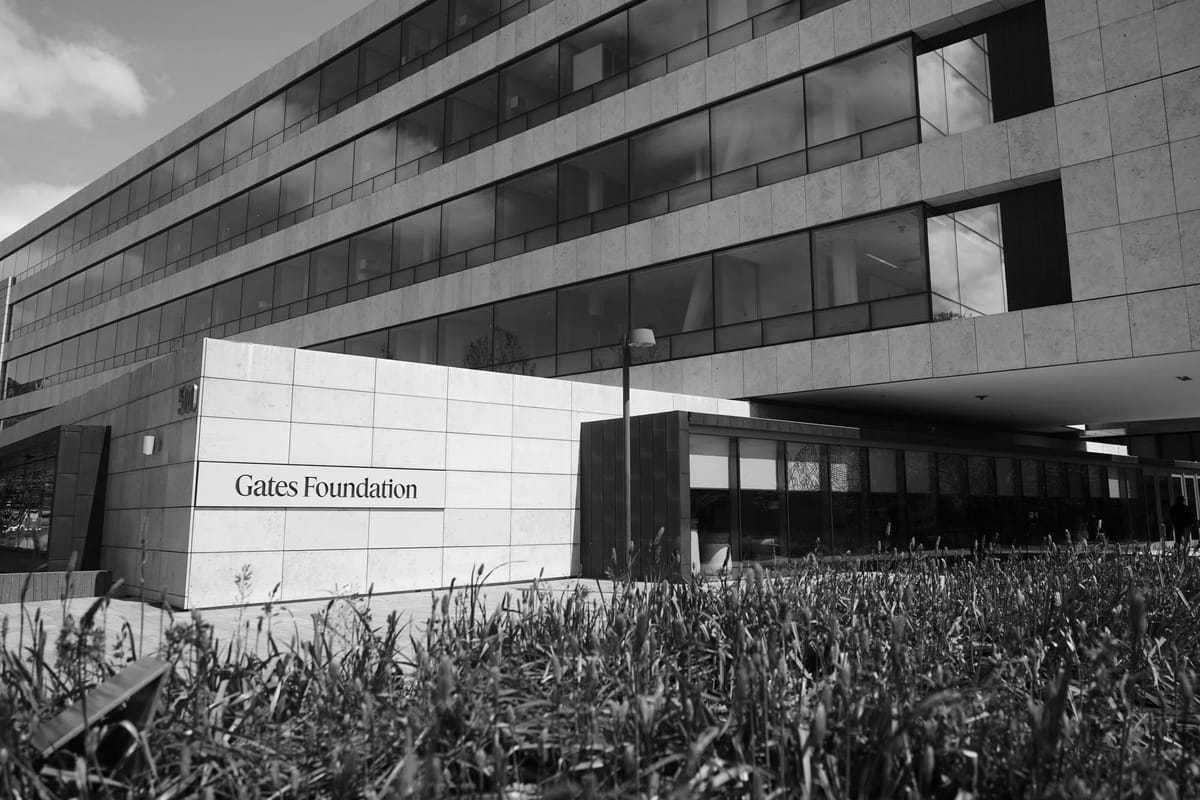

The Bill & Melinda Gates Foundation has announced a landmark commitment of $2.5 billion aimed at advancing women’s health worldwide — a move that seeks to address decades of underfunding and neglect in areas critical to women’s wellbeing. The announcement represents one of the foundation’s most significant investments to date in gender-focused healthcare, emphasizing the urgent need for equity, access, and innovation in global health systems.
The funding, which will be disbursed over the next decade, targets areas of women’s health that have historically received limited attention in global medical research and development. These include maternal health, family planning, reproductive rights, access to contraception, and efforts to reduce preventable diseases that disproportionately affect women and girls in low- and middle-income countries.
According to the organization, the health requirements of women and girls frequently remain overlooked because of inherent bias in studies, distribution of resources, and models for providing healthcare. The $2.5 billion commitment aims to address this disparity by backing both scientific innovation and practical approaches that specifically aid underprivileged female groups.
Melinda French Gates, co-chair of the foundation and long-time advocate for women’s empowerment, emphasized that improving women’s health is not only a moral imperative but a smart investment in broader development. “When women are healthy, families and communities thrive,” she said in a statement accompanying the announcement. “Yet for too long, the world has underinvested in the health of half its population.”
A large share of the financing will be allocated to creating new contraceptive methods that are budget-friendly, available, and designed to meet the specific demands of women across various locations. This entails backing for future contraceptives that are more durable, cause fewer adverse effects, and include delivery mechanisms that women can administer themselves or utilize privately — essential aspects in regions where women encounter social or logistical challenges in accessing reproductive health services.
Another major component of the initiative focuses on maternal health — especially preventing death during pregnancy and childbirth, which remains a leading cause of mortality for women in many parts of the world. The foundation plans to invest in improved diagnostics, treatments for postpartum hemorrhage, and access to skilled care providers in regions where maternal outcomes lag far behind global standards.
Beyond health services, the approach of the Gates Foundation involves financing educational initiatives and advocacy efforts to empower women and girls with understanding regarding their bodies and rights. Through backing community health workers, grassroots groups, and digital channels, the foundation seeks to elevate local voices and guarantee that solutions are culturally appropriate and sustainable.
This latest announcement builds on two decades of the Gates Foundation’s work in global health, during which it has funded vaccines, HIV treatment, and malaria prevention programs. However, this new focus underscores a more targeted and long-term approach to addressing gender disparities in health — one that acknowledges the unique challenges women face throughout their lives, from adolescence through aging.
The dedication comes at a period when access to healthcare for women is still inconsistent worldwide. In certain nations, legal barriers, societal traditions, and inadequate infrastructure greatly restrict women’s capacity to obtain even fundamental services. In other regions, gender-targeted violence and discrimination persist in diminishing public health initiatives.
According to the World Health Organization, millions of women still lack access to essential reproductive and maternal care, resulting in preventable deaths and long-term health complications. By addressing these gaps with sustained investment and a focus on innovation, the Gates Foundation hopes to catalyze systemic change.
Notably, the foundation is encouraging other philanthropic institutions, governments, and private-sector leaders to follow suit. The goal, they say, is not only to fund individual programs but to shift global health priorities in a way that consistently centers women and girls. Collaboration and data sharing will be key to the initiative’s success, as will mechanisms for accountability and tracking measurable outcomes over time.
Industry specialists have commended the scope and emphasis of the initiative. Supporters of women’s health acknowledge that although resources for aspects such as maternal healthcare and family planning have been boosted in certain regions, the general investment continues to be unevenly low relative to other healthcare sectors. The Gates Foundation’s commitment might aid in highlighting this disparity and encourage more parties to reconsider their budget distributions.
The organization additionally intends to back policy changes and international advocacy efforts that strive to remove legal and systemic obstacles hindering women’s access to healthcare. By coordinating health funding with larger initiatives to foster gender equality, the project could impact the allocation of development funds and the establishment of global collaborations in the upcoming years.
In addition, the initiative will invest in research that specifically studies how diseases and medical treatments impact women differently. For decades, women have been underrepresented in clinical trials, resulting in medications and treatments that are less effective or even harmful to female patients. Addressing this research gap is central to creating more equitable and effective healthcare systems.
As the Gates Foundation implements its long-term strategy, it anticipates collaborating with regional administrations, non-profits, academic bodies, and private enterprises that align with its goal of improving women’s health. These partnerships will focus on providing tangible advantages at the grassroots, where healthcare accessibility is frequently most limited.
In framing this effort as both a health and economic issue, the foundation hopes to reinforce the interconnected nature of development. Healthier women can participate more fully in education, the workforce, and civic life — driving gains that ripple across families, economies, and nations.
With this $2.5 billion commitment, the Gates Foundation is not only injecting critical resources into underfunded health initiatives but also helping reshape the conversation around what equitable global health should look like. If successful, the initiative could become a model for how philanthropy can work alongside policy and science to build a more inclusive future.