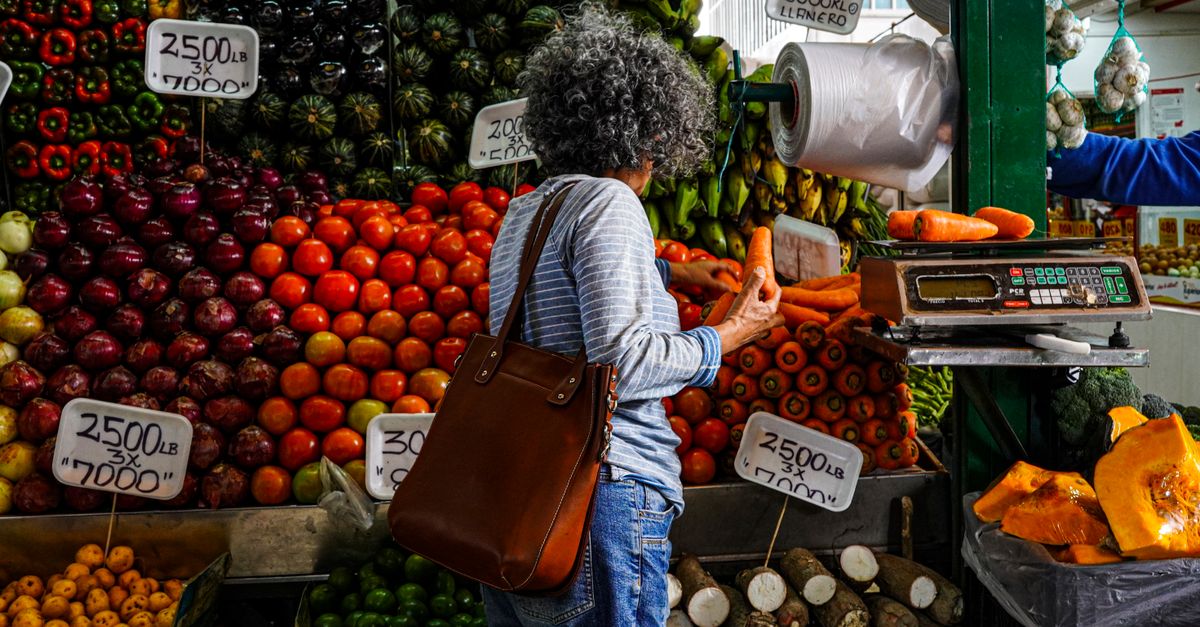

American grocery shopping is influenced by expansive store formats, ease of access, digital integration, and a diverse retail environment, emphasizing car-centered trips, wide arrays of packaged and processed products, and swift uptake of online shopping services, all mirroring the nation’s economic framework, geographic scale, cultural practices, and policy factors such as food-assistance initiatives and labeling requirements.
Store formats and retail structure
- Large-format dominance: Supercenters and major big-box retailers (Walmart, Target, supercenters operated by regional chains) along with warehouse clubs (Costco, Sam’s Club) play a defining role in U.S. grocery habits, as many consumers stock up in bulk and favor comprehensive one-stop destinations for both food and general goods.
- Multiple specialized chains: The landscape spans traditional supermarkets (Kroger, Albertsons), discount-driven value chains (Aldi), niche operators centered on organic or specialty selections (Whole Foods, Trader Joe’s), and smaller independents, creating a more layered segmentation than in markets where a single supermarket tier prevails.
- Club and bulk culture: Warehouse clubs built on membership models hold a far more prominent place in the U.S. than in many other regions, with their bulk-oriented shopping shaping how households manage supplies and how frequently they shop.
Mobility, store entry, and how often shopping occurs
- Car-dependent, fewer trips: With widespread car ownership, weekly or biweekly bulk shopping is common, as households typically purchase larger loads and rely on spacious refrigerators and freezers. By comparison, in many European and Asian regions, people often make smaller, more regular visits on foot or via public transit.
- 24/7 and extended hours: Numerous U.S. supermarkets and convenience shops operate late into the night or remain open around the clock in both urban and suburban zones, while many other countries follow more restrictive retail schedules and maintain long-standing habits of afternoon breaks or weekly closures.
Product assortment, portion sizes, and packaging
- Larger package sizes: U.S. package sizes and multipacks are commonly larger, reflecting bulk buying and the economics of scale. This contrasts with smaller packs in countries where shoppers purchase daily or in smaller homes.
- Processed and convenience food penetration: The U.S. market has a wide variety of ready meals, meal kits, and highly processed foods. While demand for fresh and organic products is rising, prepared foods remain a larger share than in many food cultures that emphasize fresh, daily shopping and in-store butchers or fishmongers.
- Private labels and branding: Private-label offerings are widespread and range from deep-discount to premium store brands. European discount chains such as Aldi and Lidl introduced formats that are reshaping U.S. private-label strategies.
Technological innovation and online commerce
- Rapid e-grocery expansion: Online grocery shopping and delivery grew quickly in the U.S., accelerating during the COVID-19 pandemic. Major players include Instacart, Amazon Fresh, Walmart Grocery, and retailer-owned delivery. Adoption levels became significant—online share of grocery sales rose into double digits in the early 2020s—although in-store shopping still accounts for most grocery purchases.
- Curbside pickup and hybrid models: Click-and-collect and curbside pickup are standard offerings from national chains. The U.S. has scaled these services at a pace that outstrips many smaller markets, partly due to car-based shopping.
- Gig-economy fulfillment: Third-party personal shoppers and marketplace models (Instacart, Shipt) are far more common than in markets where retailers control their own fulfillment or where informal neighborhood retailers dominate.
Payment options and social initiatives
- Card-based payments and digital wallets: Credit and debit cards are the default, with contactless and mobile wallets growing. In many other countries cash remains more common for small purchases.
- Food assistance and EBT: The Supplemental Nutrition Assistance Program (SNAP) affects how many Americans purchase groceries. Acceptance of electronic benefits (EBT) online expanded slowly through pilot programs and retailer adoption—this policy reality shapes retailer offerings and limits for some households.
- Tipping and delivery culture: U.S. shoppers often tip personal shoppers/delivery drivers for grocery delivery, a social norm less common in other countries where delivery fees or service charges may include compensation.
Promotions, loyalty, and coupon culture
- Coupons and manufacturer promotions: Both printed and digital coupons remain a staple in the U.S. market, with loyalty apps and online coupon systems monitoring consumer habits to deliver tailored deals.
- Weekly circulars and price wars: Weekly ads and promotional flyers shape many shopping routines, while fierce price battles among retailers persist. Bargain tactics like loss leaders and buy-one-get-one incentives appear frequently.
Fresh markets, local food, and regional differences
- Farmers markets and CSAs: Farmers markets, community-supported agriculture (CSA) boxes, and other direct-to-consumer freshness options continue expanding, particularly within major cities, while in many Asian nations wet markets and everyday fresh buying still hold a more central role.
- Regional diversity: Food habits differ notably across U.S. regions, such as the strong presence of Hispanic-focused items in the Southwest or the emphasis on seafood throughout the Northeast and Pacific Northwest, leading to highly varied shopping behaviors.
Regulation, labeling, and standards
- Labels and measurement units: U.S. packaging typically uses customary (imperial) units, with Nutrition Facts panels standardized by federal regulation. Other countries use metric units and different nutritional labeling formats, which affect product formulation and marketing for global brands.
- Food safety and certification differences: Organic and food-safety certifications differ across jurisdictions, which shapes consumer trust and retailer sourcing strategies.
Ecological and societal dimensions
- Packaging and waste: The U.S. has long produced more packaging waste per person in grocery shopping, largely due to single-use plastics and bulkier container formats. Many retailers now aim to curb this trend by trimming packaging, adding refill stations, and highlighting sustainability information.
- Food waste: Household food waste per person in the U.S. remains elevated compared with places where meal planning tends to be stricter and using leftovers is more firmly embedded in daily habits.
Comparative cases and notable examples
- Costco vs. European shoppers: Costco’s membership-plus-bulk model thrives in the U.S.; a similar model exists in Europe but with smaller penetration. Bulk buying suits U.S. household sizes and storage norms.
- Aldi and Lidl’s U.S. impact: European discounters brought tighter assortments and lower prices, forcing U.S. traditional grocers to emphasize private labels and operational efficiency.
- China’s instant-delivery model: In China, app-based ecosystems and rapid delivery (within hours or minutes in dense cities) are more advanced than typical U.S. service levels; marketplaces and integrated super apps dominate urban grocery fulfillment.
- Japan’s premium freshness: Japanese supermarkets emphasize high-quality, attractively packaged fresh produce and ready-to-eat items tailored to small households, contrasting with the U.S. emphasis on bulk and volume.
- India’s kirana ecosystem: Neighborhood mom-and-pop stores (kiranas) retain very high importance in India for trust, credit, and small-quantity purchases; e-commerce complements rather than replaces this network.
Key data insights and emerging patterns
- E-commerce growth: Online grocery share in the U.S. moved from single digits toward double digits during and after the pandemic; many retailers now treat e-grocery as a core channel. Other advanced markets also grew online, while some developing markets leapfrogged with mobile-first models.
- Household shopping behavior: U.S. households tend to report fewer shopping trips per month but higher spend per trip compared with urban consumers in Europe and Asia who shop more frequently and buy smaller quantities.
- Retail concentration: The U.S. market is highly concentrated among a few national and regional players, yet there is strong room for independent and specialty retailers, creating a diverse landscape.
Implications for consumers and retailers
- For consumers: Americans enjoy broad choice, convenience services, and competitive prices but also face a prevalence of larger package sizes and processed options that can affect cost per meal and food waste profiles.
- For retailers: Success depends on mastering omnichannel operations, balancing assortment between fresh and convenience offerings, and tailoring pack sizes and promotions to match household behavior and regional differences.
American grocery shopping stands apart from many other countries due to its mix of large-scale operations, convenience-oriented formats, technology-enabled fulfillment, and purchasing shaped by policy. The U.S. approach typically encourages bigger shopping trips, wider packaged assortments, and various fulfillment methods (in-store, curbside, delivery), all reinforced by high car ownership and intense retail competition. In contrast, many other nations prioritize smaller, more frequent visits, deeper dependence on local markets, or ultra-fast urban delivery networks. These differences generate unique advantages and complexities: retailers must tailor assortment, package sizes, and omnichannel execution to local behaviors, while consumers continuously balance convenience, price, freshness, and environmental considerations.