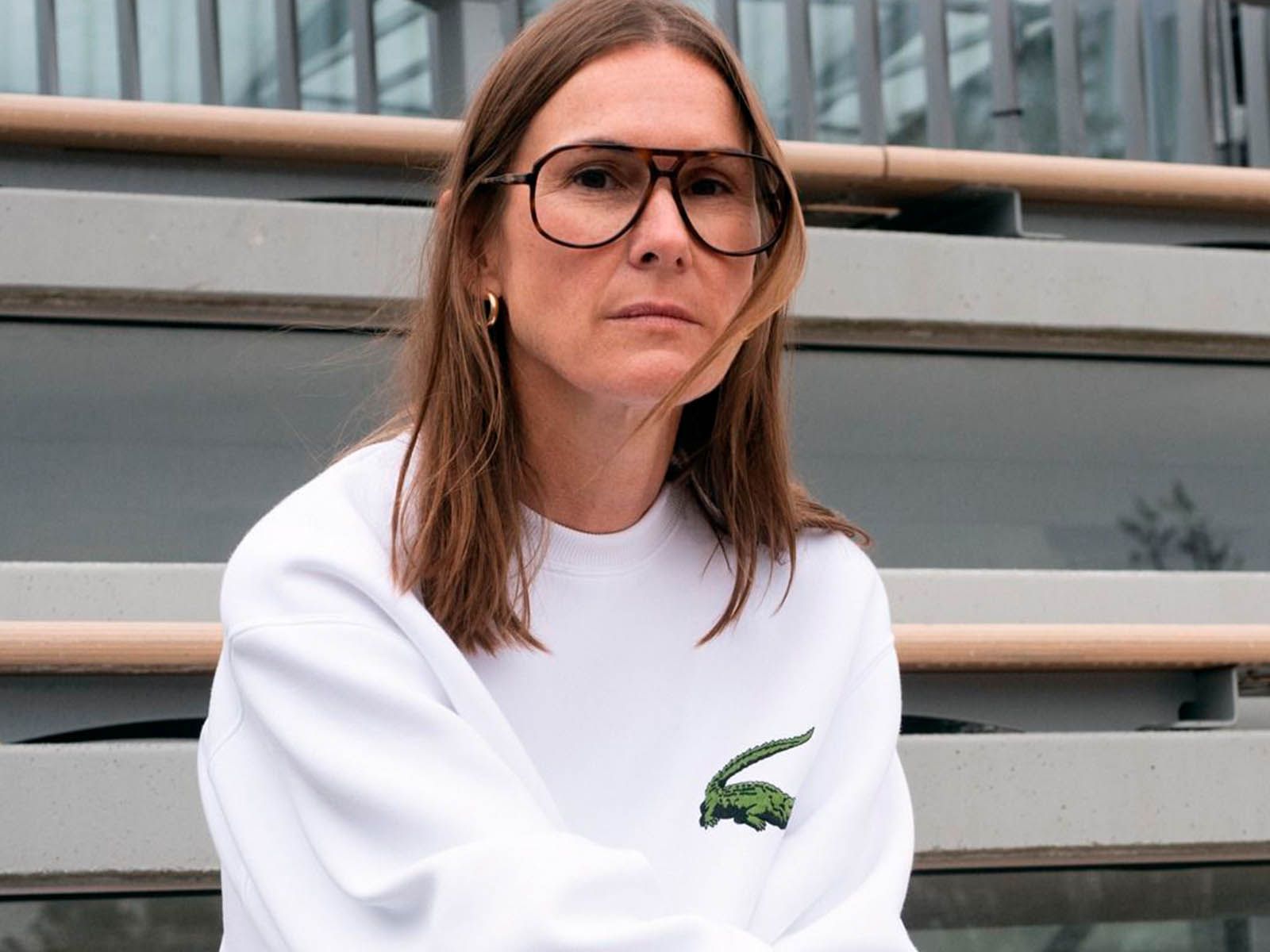

Louise Trotter’s arrival at Bottega Veneta marked a pivotal moment in the evolution of the iconic Italian fashion house. Known for her sharp tailoring and quietly subversive vision, Trotter has begun reshaping the brand’s identity with a distinctive energy—one rooted in a kind of thoughtful rebellion and understated joy. Her creative direction signals a new era that honors the craftsmanship Bottega Veneta is revered for, while simultaneously infusing it with a more personal, contemporary flair.
Her promotion to creative director occurred during a period when the high-end fashion industry was focusing more on genuine experiences and emotional connection. Rather than concentrating on short-lived styles or grandiose displays, Trotter’s aesthetic emphasizes design authenticity, practicality, and sophisticated creativity. Her initial collections have clearly demonstrated that her method at Bottega Veneta prioritizes purposeful development over change for the sake of change.
Rather than adopt the high-drama narratives often seen in runway presentations, Trotter’s work communicates through subtlety. This quiet confidence is not to be mistaken for timidity; it reflects a deliberate choice to speak through material, technique, and proportion. Her designs embody a poised rebellion—a departure from expectations without ever rejecting the brand’s core identity. In this, her joy is not loud, but it is unmistakably present.
One of the central elements of Trotter’s perspective is her appreciation for artisanal legacy. At Bottega Veneta, where craftsmanship and subtle luxury have historically characterized the brand, Trotter perceives tradition as a base to innovate rather than a limitation. She frequently explores archival designs and weaving methods, updating them with careful modifications in form, material, and hue. The outcome is a collection that remains classic while also being distinctly contemporary, elegant yet always inviting.
This harmony is likely most apparent in her reinterpretation of Bottega Veneta’s renowned intrecciato method. Trotter has broadened the scope of this iconic leather weaving, incorporating it beyond accessories into apparel in creative manners. Jackets, coats, and trousers now exhibit elements of the craftsmanship typically found in bags and shoes, blurring the line between practical fashion and artistic design.
Color has also become a tool of expression under Trotter’s leadership. While Bottega Veneta has traditionally leaned into a rich, earthy palette, recent collections under her guidance have introduced unexpected hues—cool pastels, warm citrus tones, and serene blues—that evoke a sense of optimism and individuality. Her use of color reflects a shift from fashion as formality to fashion as feeling, inviting wearers to experience luxury not just through material but emotion.
This emotional dimension is central to Trotter’s philosophy. Her version of luxury is not aspirational in the conventional sense; it is intimate, lived-in, and grounded in reality. She imagines clothes not only on the runway but in the rhythms of everyday life—pieces that empower rather than impress, that bring ease rather than demand attention. In doing so, she redefines rebellion not as opposition, but as freedom: freedom from constraint, from excess, from the expected.
The experiences Trotter gained clarify the uniqueness of her artistic expression. Prior to joining Bottega Veneta, she was a key figure at Lacoste and Joseph, where she became known for blending sophistication with functionality. Her designs consistently featured a balance of structure and gentleness, a dynamic she still investigates. Within Bottega, this translates to well-defined silhouettes eased by gentle motion or rich fabrics, leading to clothing that represents a blend of opposing qualities—power and elegance, accuracy and impulsivity.
In interviews, Trotter often speaks of fashion as a collaborative process, and her time at Bottega Veneta has reinforced that belief. She works closely with the house’s artisans, valuing their mastery and incorporating their techniques into her vision. This respect for craft is not merely aesthetic—it is philosophical. It aligns with her conviction that true luxury lies not in extravagance, but in care: care for detail, care for people, and care for the story each piece tells.
That story, under Trotter’s direction, is increasingly one of empowerment and presence. Her collections feature garments that support the wearer’s movement and confidence—tailored coats that wrap around the body without constriction, structured dresses that flow rather than cling, shoes that are sculptural yet wearable. In every piece, there is a quiet invitation to inhabit one’s self more fully.
Although certain designers seek to incite, Trotter appears more focused on creating a bond. Her defiance isn’t about seeking notice but rather a subtle rejection of following set standards. She’s not transforming the rules of luxury with drama or sensationalism, but through purpose and subtlety. This approach has added stability to Bottega Veneta at a time when the fashion world often seems driven by rapid change.
Even the brand’s presentations reflect this shift. Under Trotter, Bottega’s runway shows have taken on a more intimate atmosphere. They feel less like performances and more like conversations—between designer and audience, past and present, form and feeling. Models move with ease, often wearing flat shoes or unstructured garments that highlight motion rather than control. These details might seem small, but together they build a compelling new narrative for the house.
As critics and fashion insiders continue to observe her tenure with interest, one thing is clear: Trotter is steering Bottega Veneta into a future where joy is not an embellishment, but a foundation. This joy, however, is not superficial. It is rooted in care, in precision, and in the belief that clothing can bring ease and authenticity to those who wear it. In a cultural moment marked by uncertainty and overstatement, her vision offers something rare—designs that feel personal, intentional, and deeply human.
Under her guidance, Bottega Veneta’s identity is expanding rather than shifting. It remains a house of quiet luxury, but now with a more spirited undercurrent. Trotter’s influence is not about revolutionizing fashion but about realigning it—bringing attention back to the body, to the maker, and to the emotional life of clothing. And in doing so, she has quietly set a new standard for what it means to lead with both elegance and edge.