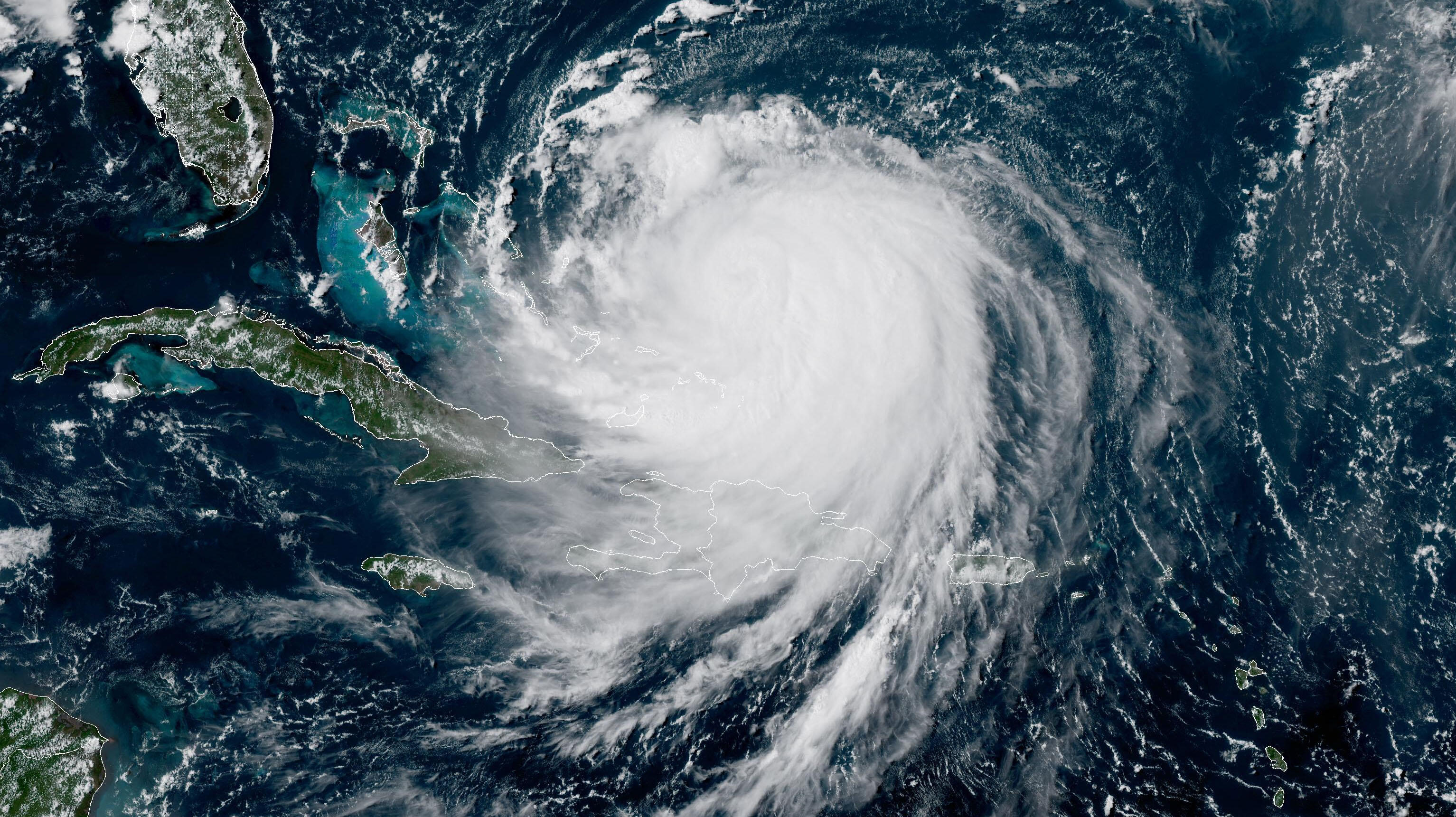

Hurricane Erin, currently classified as a Category 4 storm, is intensifying in the Atlantic and is projected to generate life-threatening surf and strong rip currents along the coast. Meteorologists have warned residents and coastal communities to prepare for extreme ocean conditions, which could pose significant risks to swimmers, boaters, and anyone near the shoreline. The National Hurricane Center (NHC) has emphasized that even if Erin does not make direct landfall, its powerful winds and waves can create hazardous coastal impacts.
The cyclone has intensified swiftly over recent days, driven by warm sea temperatures and conducive weather conditions. As it progresses across the Atlantic, meteorologists predict that the hurricane will persist in increasing in power, holding onto its Classification 4 rank for multiple days. This degree of force suggests continuous wind speeds surpassing 130 miles per hour, with the potential to create enormous waves and perilous coastal currents. Officials have advised vigilance, highlighting that water-related dangers can be as threatening as powerful winds in a hurricane.
One of the main worries linked to Hurricane Erin is the development of rip currents. These slender streams of swiftly moving water can unexpectedly pull swimmers away from the beach. Even those who are proficient swimmers may be in danger, as these currents can drag people into deeper parts of the ocean almost instantly. Lifeguards and emergency personnel are advising those at the beaches to stay out of the sea during the storm and follow all posted alerts and instructions. In certain locations, temporary beach shutdowns have already been initiated to avert accidents and loss of life.
Besides the rip currents, the hurricane is anticipated to produce exceptionally high surf along the impacted shores. The waves may rise several feet beyond normal heights, affecting coastal facilities, eroding sandy areas, and harming vessels anchored close to land. People living in low-lying coastal regions are being advised to secure their outdoor belongings, prepare for the likelihood of flooding, and steer clear of unnecessary travel. Even moderate coastal flooding combined with powerful waves can cause substantial destruction and endanger human safety.
Meteorologists are also monitoring the hurricane for potential changes in its trajectory. While exact landfall locations remain uncertain, Erin’s outer bands are already affecting offshore islands and coastal regions, bringing heavy rainfall and gusty winds. These conditions have the potential to cause localized flooding, road closures, and power outages. Emergency management teams are on high alert, coordinating with local authorities to ensure preparedness and rapid response in areas likely to experience severe impacts.
Hurricane Erin serves as a reminder of the broader dangers posed by major storms, beyond wind damage. Coastal erosion, strong surf, and sudden flash floods can affect communities hundreds of miles from the storm’s center. Many regions in the Atlantic hurricane belt have experienced similar threats in the past, emphasizing the need for proactive planning and vigilance. Residents are encouraged to review emergency plans, stock essential supplies, and stay informed through official weather channels and alerts.
The timing of Hurricane Erin is particularly concerning as it coincides with the peak of the hurricane season, when sea surface temperatures are at their warmest. Warm waters provide the energy that allows hurricanes to strengthen rapidly, making prediction and preparation even more critical. Scientists stress that climate change may be contributing to more intense and longer-lasting storms, increasing the frequency of Category 4 and 5 hurricanes capable of producing catastrophic impacts on coastal regions.
Emergency response agencies are emphasizing the importance of understanding rip current safety. Swimmers caught in a rip current are advised not to panic and to swim parallel to the shore until free from the flow. Experts also recommend wearing life jackets, supervising children closely, and avoiding swimming alone. Many coastal lifeguard teams are preparing for a surge in emergency calls as Hurricane Erin approaches, underscoring the severity of the risks posed by the storm’s surf conditions.
Although immediate threats from hurricanes often capture attention, the impacts following Erin may have enduring consequences. Flooding along the coast has the potential to harm residential areas, commercial properties, and public sectors, making communities susceptible to prolonged recovery phases. Infrastructure like roads, bridges, and electrical networks might suffer damage, while debris transported by waves and floodwaters can present dangers even after the storm has dissipated. Local authorities are actively preparing for recovery operations after the storm, which includes clearing debris, setting up temporary housing, and providing medical assistance during emergencies.
Weather specialists persist in stressing the significance of being ready, even in regions not directly impacted by the hurricane’s trajectory. Waves and riptides produced by storms of Category 4 intensity can reach hundreds of miles away from the center, impacting areas that might not face intense winds or rain. Individuals who boat, surf, and live along the coast should stay alert and heed all instructions from the National Hurricane Center and local emergency services. Being informed and taking proactive measures are crucial in minimizing harm and loss of life during these situations.
Meteorologists also point out that storms such as Erin can lead to additional threats, like tornadoes and sudden floods in both seaside and interior regions. These unforeseen factors complicate emergency management even more and emphasize the importance of real-time observation. People should verify that communication tools are powered, evacuation paths are known, and emergency supply packs are accessible. Being prepared can significantly impact both individual safety and community strength.
The economic implications of Hurricane Erin are also significant. Coastal tourism, fisheries, and maritime industries are at risk due to dangerous surf, flooding, and property damage. Disruption to transportation and commerce could have ripple effects across the region, affecting local economies and supply chains. Governments and businesses are already implementing contingency plans to mitigate the impact on essential services and minimize losses as the storm approaches.
Hurricane Erin further underscores the importance of climate adaptation measures for coastal communities. Investments in seawalls, flood barriers, and storm-resilient infrastructure can help reduce the impact of extreme weather events. In addition, public education campaigns aimed at increasing awareness of hurricane hazards and safety measures are essential to reducing injuries and fatalities. As storms like Erin become more frequent and intense, long-term planning and community preparedness are critical components of risk reduction.
Communication and accurate forecasting remain central to safety during hurricanes. Meteorological agencies are continuously monitoring Erin’s path, providing hourly updates on wind speeds, storm surges, and potential impacts. Residents are encouraged to rely on official sources for information and avoid spreading unverified reports that could create confusion or panic. Accurate forecasts allow communities to take timely precautions, from evacuation to securing property, ultimately saving lives and reducing damage.
Hurricane Erin represents a significant threat to the Atlantic coast, not only through its high winds but also through dangerous surf, rip currents, and flooding. Authorities are urging everyone in potentially affected areas to remain alert, follow safety advisories, and prioritize evacuation when necessary. The storm serves as a stark reminder of the power of nature and the importance of preparedness in mitigating the dangers posed by major hurricanes.
Through heeding alerts, safeguarding possessions, and keeping updated, locals can defend themselves and their neighborhoods from the most severe impacts of Hurricane Erin. Although the trajectory and strength of the storm can shift, the blend of perilous surf, hazardous rip currents, and powerful winds necessitates alertness. Being prepared, staying informed, and following official advice are crucial to enduring this Category 4 hurricane securely.