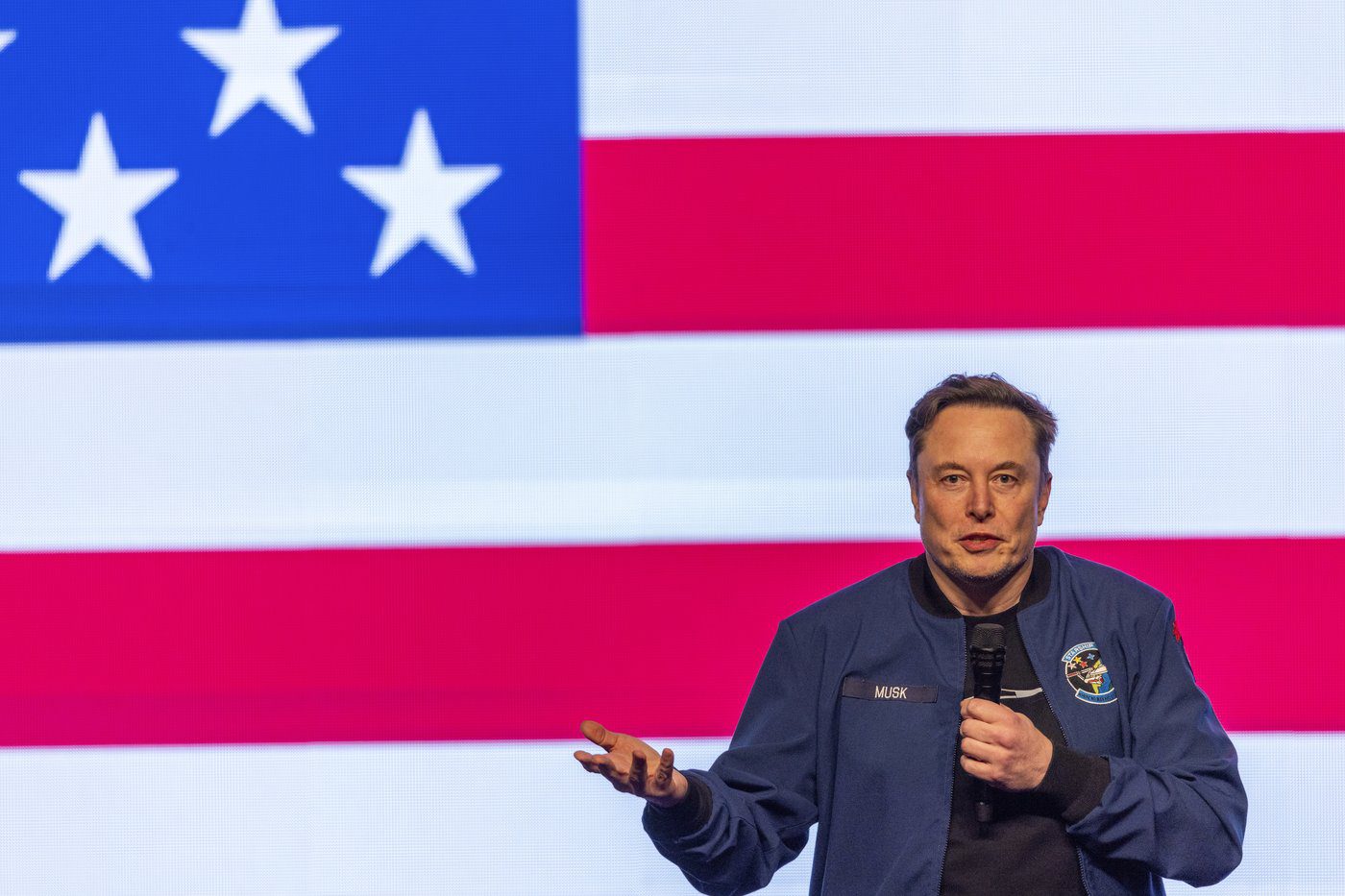

The province of Ontario has officially ended its agreement with Starlink, the satellite internet provider operated by Elon Musk’s SpaceX, in what officials describe as a necessary response to escalating trade disputes between Canada and the United States. The decision, announced in late July, is being interpreted as part of Canada’s broader economic strategy to respond to ongoing U.S. tariff policies that have increasingly strained cross-border relations.
Ontario’s Ministry of Infrastructure, which had previously committed to leveraging Starlink’s low-orbit satellite network to expand high-speed internet access in underserved rural areas, confirmed the contract termination during a press briefing. Provincial leaders emphasized that the decision was not due to performance issues or technological shortcomings, but rather a strategic response aligned with federal and provincial economic policies designed to protect Canadian interests in the face of protectionist U.S. measures.
The Starlink project initially formed a crucial element of Ontario’s expansive “Accelerated High Speed Internet Program,” which sought to provide nearly universal broadband to the entire province. As many rural homes remain without dependable internet, Starlink’s satellite solution presented a swift and adaptable alternative. However, the sudden termination of this initiative creates a gap in the strategy, raising concerns about the methods Ontario will adopt to achieve its connectivity objectives by 2025.
Economic commentators observe that this action aligns with growing discontent in Canada regarding the newest set of tariffs imposed by the U.S., especially targeting Canadian steel, aluminum, and digital services. The Canadian authorities have alleged that the United States has breached the free trade rules established in the United States-Mexico-Canada Agreement (USMCA). Within this framework, Ontario’s choice regarding Starlink is perceived as a component of a wider range of countermeasures aimed at reinforcing Canadian independence in trade and digital infrastructure.
Experts in the field have differing opinions regarding the effects of Ontario’s exit in the long run. Some see this as an essential step to uphold sovereignty amid unpredictable trade conditions, while others express concern that it might hinder progress towards connectivity targets in isolated communities with limited alternatives. Starlink’s capacity to provide fast internet in areas with difficult terrain has rendered it especially appealing in locations where installing fiber-optic cables is either too costly or not practically possible.
Despite these challenges, Ontario officials are optimistic that alternative providers will step in to fill the gap. The province has reaffirmed its commitment to full connectivity and hinted at potential partnerships with Canadian-based telecom companies and cooperative infrastructure projects supported by the federal government. Officials emphasized that while Starlink’s technology was valuable, policy alignment and economic resilience must take precedence in the current geopolitical climate.
The impact of Ontario’s choice is being closely observed in both Canada and the United States, especially by state and provincial authorities aiming to manage a progressively divided North American trade environment. Experts propose that with the rise of geopolitical tensions, technology deals—particularly those concerning major infrastructure—might increasingly serve as tools of economic policy rather than merely service-oriented collaborations.
For Starlink, Ontario’s withdrawal signifies an unusual challenge in its worldwide expansion. The firm has achieved substantial progress in various global markets and is swiftly growing its presence throughout Europe, Latin America, and areas of Asia. Yet, this event highlights the risks that even private tech companies encounter when functioning in highly politicized regulatory settings.
Elon Musk has not publicly commented on Ontario’s decision. However, SpaceX insiders speaking on background expressed disappointment, noting that the Ontario partnership had been viewed as a model for similar agreements in other countries with rural connectivity challenges. The company will likely continue pursuing contracts in other provinces and nations while reevaluating its risk exposure in jurisdictions with volatile trade relationships.
Meanwhile, affected Ontario residents are left in limbo. For many in northern and rural regions, Starlink had offered the first reliable broadband option in years. The province has committed to issuing revised tenders in the coming months, aiming to identify local or national alternatives that can match the service quality and deployment speed that Starlink was known for.
The coming weeks will be crucial in determining how Ontario reshapes its digital strategy. As officials navigate the dual imperatives of technological advancement and national economic security, the province’s next moves could set a precedent for how infrastructure partnerships are handled in an increasingly protectionist world.
In the broader context, Ontario’s Starlink decision may serve as a cautionary tale—reminding governments and corporations alike that in today’s interconnected world, even a satellite internet contract can become a flashpoint in global trade politics.