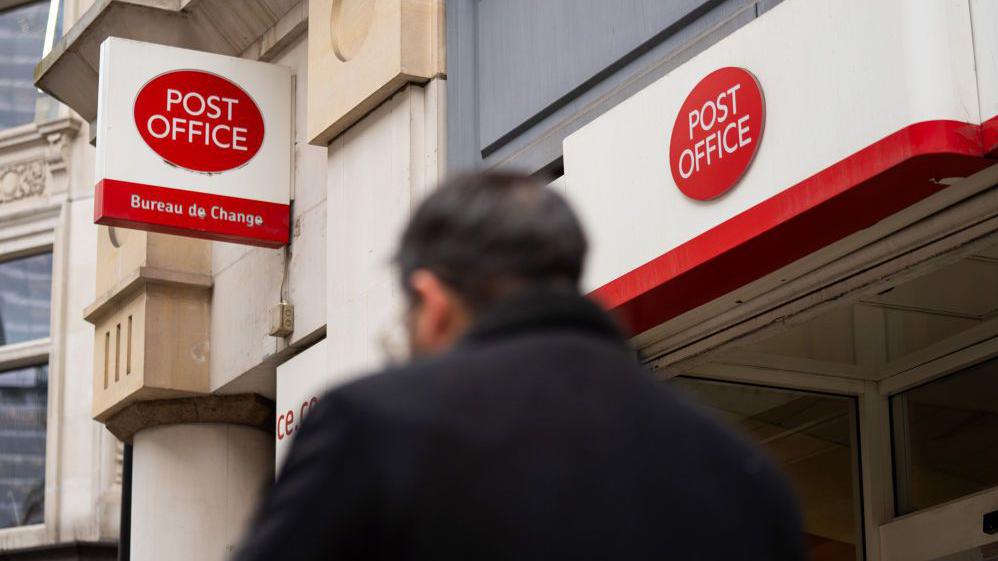

The UK government has opened discussions about a potential future in which the country’s Post Office network could be owned and operated by the very individuals who run its branches—its postmasters. The concept, still in early stages of evaluation, signals a major possible shift in how the Post Office is structured and governed, with implications for local economies, service accessibility, and the long-term sustainability of one of Britain’s most historic institutions.
The idea was raised in a recent statement by government officials, who suggested that transferring ownership or a controlling stake of the Post Office to postmasters themselves might offer a path toward a more community-focused and resilient operating model. Such a move would reflect a broader trend in public service reform, aiming to decentralize control and increase stakeholder engagement in how essential services are managed.
While no concrete plans have been announced, the possibility of cooperative ownership is being actively explored as part of the government’s ongoing efforts to support postmasters following years of controversy, underinvestment, and operational challenges. In particular, the proposal is seen as a way to empower those on the frontlines of service delivery—postmasters who have played a pivotal role in keeping the network operational, especially in rural and underserved areas.
The conversation occurs during a notable shift for the Post Office, which is experiencing heightened demands to update its operations due to decreasing traditional mail quantities, rivalry from online services, and rising needs for financial and government-related services. The concept of postmaster ownership would signify a significant change from the existing structure, where the Post Office functions as a government-owned company under the Department for Business and Trade.
Under the proposed framework under review, regional branch managers may have the opportunity to obtain shares in a Post Office that operates as a mutual organization, allowing them more say in governance and strategic choices. This model might be akin to cooperative business systems found in different areas, where participants collectively hold ownership and direct activities in pursuit of common objectives.
The proposal has been met with cautious interest by many within the postmaster community. For years, thousands of postmasters have voiced frustration over the limitations of their roles, financial pressures, and lack of representation in top-level decision-making. Granting ownership rights, some argue, could restore a sense of agency and investment among those who interact daily with customers and understand the needs of local communities.
Nevertheless, the idea brings up concerns regarding money, supervision, and managing risks. Shifting to a model directed by a postmaster would necessitate substantial preparatory work in legal, financial, and organizational areas, with systems for making decisions, resolving conflicts, and ensuring responsibility. Moreover, protections would be needed to guarantee the preservation of national service standards and access promises throughout every region, irrespective of the scale or prosperity of local offices.
From a policy standpoint, the potential shift toward postmaster ownership aligns with a growing governmental interest in community-led public service models. Officials point to successful examples in other sectors—such as cooperative housing associations and mutualized health services—that have managed to balance local autonomy with national standards. The hope is that applying similar principles to the Post Office could improve morale, drive innovation, and rebuild public trust.
This isn’t the first time the idea of mutual ownership has been floated. Over the past decade, various think tanks and parliamentary groups have suggested that stakeholder-led models might offer a more sustainable future for public assets. In the case of the Post Office, where relationships between central management and local branches have often been strained, the idea carries particular resonance.
The proposal also arrives against the backdrop of ongoing efforts to address the fallout from the Horizon IT scandal, which saw hundreds of postmasters wrongly accused of financial misconduct due to errors in accounting software. That episode exposed serious flaws in governance and transparency within the Post Office, and it has prompted renewed calls for reforms that put postmasters at the heart of decision-making processes.
Advocates for mutualization argue that giving postmasters a greater stake in ownership would not only help prevent future governance failures but also encourage more adaptive, locally tailored solutions to evolving service demands. They believe that postmasters, with their direct community connections and hands-on operational knowledge, are best positioned to shape the future of the network.
Conversely, skeptics warn that large-scale structural changes should be approached with caution. They emphasize the importance of thorough consultation, legal precision, and financial strategy to ensure the shift does not unintentionally threaten the network’s stability or its responsibilities to the community.
Consumer advocacy groups have also voiced interest in the proposal, noting that any model that strengthens local services and ensures continued access to postal and financial services—particularly for vulnerable and remote populations—deserves careful exploration. They warn, however, that privatization in any form must be approached cautiously, and that public interest must remain the central guiding principle.
As the government continues to review the future of the Post Office, it is expected that formal consultations will be conducted with postmasters, industry experts, unions, and community representatives. These discussions will likely shape whether the concept of a postmaster-owned Post Office evolves into a concrete policy proposal.
Over the next few months, the path chosen could signify a pivotal moment for a national entity that, for hundreds of years, has been a cornerstone of community support throughout the UK. If conducted with diligence and partnership, the concept of a Post Office guided by postmasters could evolve it into a service that is more inclusive, responsible, and enduring—one that mirrors the perspectives of those most familiar with it.