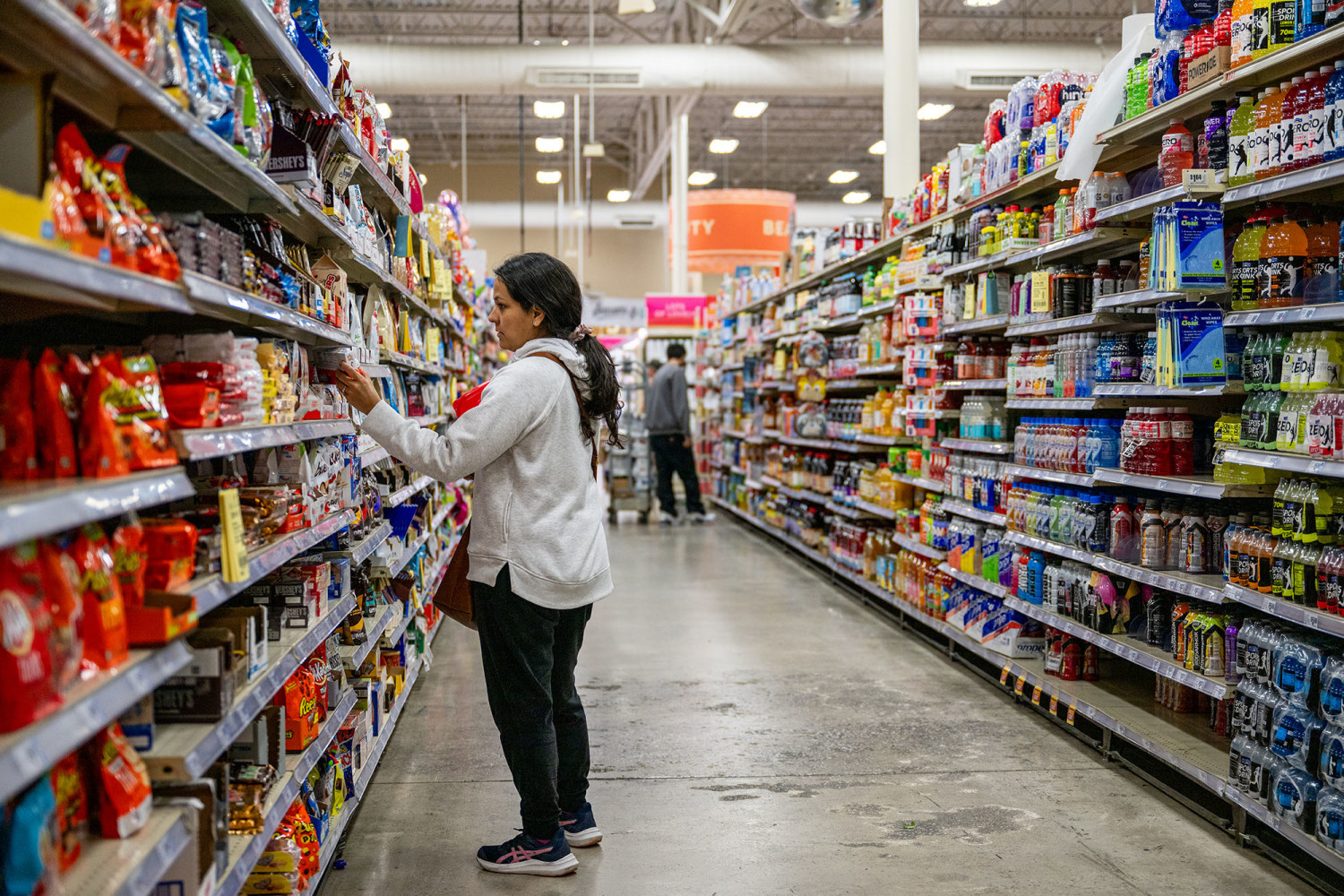

Consumer spending saw an unexpected boost last month, with retail sales rising more sharply than analysts had projected. This uptick signals renewed momentum in the retail sector, offering cautious optimism for the broader economy amid ongoing concerns about inflation, interest rates, and shifting consumer behaviors.
According to newly released data, sales across a wide range of retail categories experienced notable growth. From clothing and electronics to food and home improvement, retailers saw higher foot traffic and stronger online demand than originally forecast. Economists had anticipated a modest increase, citing rising prices and economic uncertainty as potential barriers, but consumers appeared willing to spend at a higher rate than many anticipated.
One of the driving forces behind this surge was likely seasonal shopping. The combination of summer sales events, back-to-school preparations, and travel-related purchases contributed to increased spending. Department stores, sporting goods retailers, and restaurants all recorded gains, suggesting that consumer confidence remained relatively stable despite external pressures.
E-commerce also played a pivotal role in last month’s retail performance. Online platforms continued to capture a significant share of consumer purchases, benefiting from ongoing shifts in shopping habits that began during the pandemic. Several large retailers reported better-than-expected quarterly results, attributing part of their success to improved digital infrastructure, targeted promotions, and streamlined logistics.
This stronger retail performance has implications for both investors and policymakers. On one hand, the data may indicate that consumers still have spending power, which could help keep the economy on a growth trajectory. On the other hand, it may also raise concerns for the Federal Reserve, which has been closely monitoring consumer behavior as it weighs further actions to control inflation.
If demand remains high, it could complicate efforts to stabilize prices, especially if supply chains struggle to keep pace. While inflation has cooled from its peak, it remains above the Fed’s target, prompting ongoing debate about the timing and necessity of future interest rate adjustments. A more robust retail environment could add pressure to tighten monetary policy sooner rather than later.
Yet, not every part of the retail sector experienced the same level of advantages. Although non-essential categories experienced improvements, certain crucial items—such as groceries and fuel—exhibited slower growth or even minor reductions in volume. This indicates that shoppers might be re-prioritizing or adapting to elevated basic prices. This complex spending behavior mirrors a juggling act for numerous families as they navigate both optional treats and the increasing expenses of essentials.
Another element influencing the rise in sales might be the current robustness of the job market. As unemployment figures stay low and salaries slowly rise, numerous consumers seem more assured about their financial situation. However, salary increases have not uniformly matched inflation across all industries, and the savings gathered during the pandemic are starting to diminish for certain families.
Retailers have also become more strategic in recent months, tailoring promotions and adapting inventory to meet evolving demand. Many companies have adopted more flexible pricing strategies, leaned into loyalty programs, and introduced limited-time offerings to encourage spending. These efforts may be paying off, as customer engagement appears to be on the rise, especially in sectors that emphasize experience and personalization.
Looking ahead, it remains to be seen whether this uptick in retail sales will sustain over the coming months. The holiday season, traditionally a major driver of retail revenue, is still several months away, and consumer sentiment could shift based on economic indicators, global events, or changes in fiscal policy. Additionally, factors such as student loan repayment resumption, rising credit card debt, and housing affordability may begin to weigh more heavily on spending habits.
Market analysts are keeping a close eye on consumer credit data as well. Recent reports show a steady rise in the use of revolving credit, indicating that some households may be relying more heavily on debt to maintain current spending levels. While this can temporarily support retail sales, it raises concerns about long-term financial stability if economic conditions deteriorate.
From the viewpoint of the sector, the robust retail outcomes present a chance. Companies capable of swiftly adjusting, handling stock effectively, and consistently introducing new ideas in both brick-and-mortar and online retail environments have a better chance to endure future uncertainties. Smaller merchants, especially, might gain from agile methods and targeted marketing, while larger networks need to keep enhancing their multi-platform approaches.
The retail sector’s better-than-expected results last month suggest that consumers remain active participants in the economy, despite lingering economic headwinds. This resilience provides a measure of reassurance, but it also underscores the complex landscape that retailers, policymakers, and consumers must navigate. As spending patterns evolve and the economic environment shifts, the retail industry’s adaptability will remain a key factor in sustaining growth.