
In Chile, families separated by decades-old adoption scandals and dictatorship-era disappearances are finally receiving long-awaited answers—thanks in part to advanced technological methods that are transforming forensic investigations. From satellite mapping to DNA databases and artificial intelligence, these tools are enabling a new wave of reconstruction and reunification.
The quest began with the enduring mystery of children who vanished amid Chile’s political turmoil. Many were secretly adopted abroad, often under the guise of adoption or abandonment, leaving parents wrongly informed that their babies had died. Over the years, organizations like Nos Buscamos, Hijos y Madres del Silencio, and other grassroots movements have spearheaded efforts to reunite thousands of individuals with their biological families. But locating the origins of these individuals, scattered and uprooted internationally, presented a complex challenge.
A portion of Chile’s National Search Plan now utilizes technologies such as satellite images, aerial surveys, and LiDAR scans to inspect large areas in search of hidden burial sites. Ground-penetrating radar assists in identifying subsurface irregularities that might indicate the presence of human remains. Although archaeologists indicate these techniques frequently eliminate areas instead of identifying specific burial sites, the technology has been crucial in directing excavation activities and shortening lengthy searches.Reddit+11Undark Magazine+11vietnam.vn+11The Guardian+4Reddit+4SpringerLink+4
Teams under the National Search Plan are exploring environmental DNA (eDNA) sampling—a method that detects genetic traces left behind in soil or water. Though still experimental and unable to identify individuals, this approach may indicate when human remains have been buried in certain zones, providing a new lead in cold-case searches.Undark Magazine
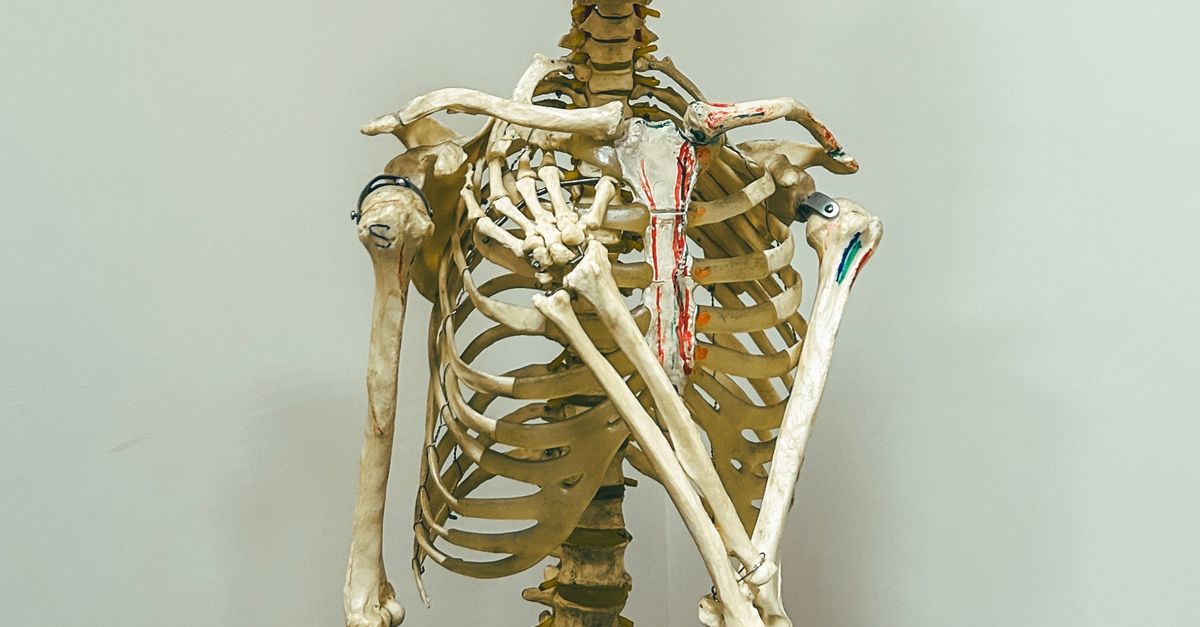
Once remains are unearthed, forensic facilities examine the bones to ascertain features such as age, gender, and genetic attributes. Chile’s medical forensic service, collaborating with global laboratories, assembles DNA profiles from the families of missing persons. Through matching these profiles with the discovered remains, officials can provide conclusive identification. A national DNA database now logs profiles of survivors and relatives seeking to reunite with missing loved ones.RCRM Magazine+1SFGATE+1
Nonprofit groups working on family reunification harness custom-built databases, AI tools, and social networking strategies to bridge the gap between adoptees and their birth families. One organization describes its platform as similar to matchmaking—creating data-driven links between two sets of records from disparate sources. DNA testing alone often isn’t enough; combining it with official registries, hospital records, and community inputs improves success rates.The Guardian+2Rest of World+2vietnam.vn+2
Chile’s forensic identification service was previously faulted for misidentifications, most notoriously during the early stages of the Patio 29 scandal. But reforms in leadership and procedural standards have increased oversight, improved DNA sample handling, and prioritized transparency—helping rebuild public trust.RCRM Magazine
Thousands of families have regained pieces of their histories thanks to this combination of high-tech investigation and grassroots advocacy. Nonprofits maintain databases containing thousands of suspected cases. One group alone estimates it has reunited over 400 families. Meanwhile, advocacy has pushed the government to acknowledge these disappearances as human rights violations and crimes against humanity.SpringerLinkNews Channel 3-12The Guardian
Technologies remain imperfect. Satellite and LiDAR scanning may eliminate false sites, but unearthing confirmed graves still depends on ground excavation. Environmental DNA remains a promising but limited indicator. And accurate identification hinges on family members volunteering DNA or records—something thousands have yet to do.
From advanced AI-backed systems to sophisticated forensic laboratories, each piece of technology utilized in Chile’s mission to find missing children aims at a larger goal: reclaiming identity, addressing historical injustices, and establishing the foundation for healing in the nation. Every instance of identification signifies not only solace for the affected families but also increased demand on legislators and organizations to provide justice, compensation, and formal recognition of the state’s role.
As initiatives progress, technology is playing a key role in turning quiet moments into acknowledgment and converting secluded information into personal narratives reconnected over the years.