
Table of Contents
1) The 1900 Galveston Hurricane
The Galveston Hurricane of September 8, 1900 remains the deadliest natural disaster in United States history. Striking the Texas coast as a powerful Category 4 storm, it produced storm surges exceeding 15 feet and winds estimated at 145 miles per hour. The island city of Galveston, then a booming port with roughly 38,000 residents, had little warning and virtually no protective infrastructure. An estimated 8,000 to 12,000 people lost their lives.
Entire neighborhoods were swept away. The destruction prompted sweeping changes in American disaster preparedness, including the construction of a massive seawall and the elevation of the city’s grade. The tragedy reshaped coastal engineering and hurricane forecasting practices nationwide.
2) The 1928 Okeechobee Hurricane
In September 1928, the Okeechobee Hurricane ravaged both Florida and Puerto Rico. Within Florida alone, over 2,500 people perished, driven largely by devastating floods as Lake Okeechobee breached its dikes. Numerous casualties were migrant agricultural laborers residing in low-elevation zones characterized by substandard dwellings and scarce access to alerts.
The disaster exposed weaknesses in flood control infrastructure. In response, the federal government constructed the Herbert Hoover Dike, significantly altering water management in South Florida. The storm remains one of the deadliest in U.S. history, highlighting the vulnerability of marginalized communities during natural disasters.
3) The 1906 San Francisco Earthquake
On April 18, 1906, a powerful earthquake estimated at magnitude 7.9 fractured the San Andreas Fault. The tremors persisted for under a minute, yet the destruction was severely worsened by blazes that raged for a period of three days. Upwards of 3,000 people lost their lives, while more than 80 percent of San Francisco lay in ruins.
The disaster transformed seismic science and building codes. Engineers and policymakers began incorporating earthquake-resistant design into urban planning. It also accelerated the development of modern seismology and disaster insurance practices in the United States.
4) The 1889 Johnstown Flood
The Johnstown Flood occurred on May 31, 1889, after days of heavy rain caused the South Fork Dam in Pennsylvania to collapse. A wall of water estimated at 60 feet high rushed downstream, killing more than 2,200 people within minutes.
Entire communities were obliterated. The catastrophe became one of the first major relief efforts managed by the American Red Cross under Clara Barton. It also sparked national debates about industrial responsibility and dam safety regulations.
5) The 1925 Tri-State Tornado
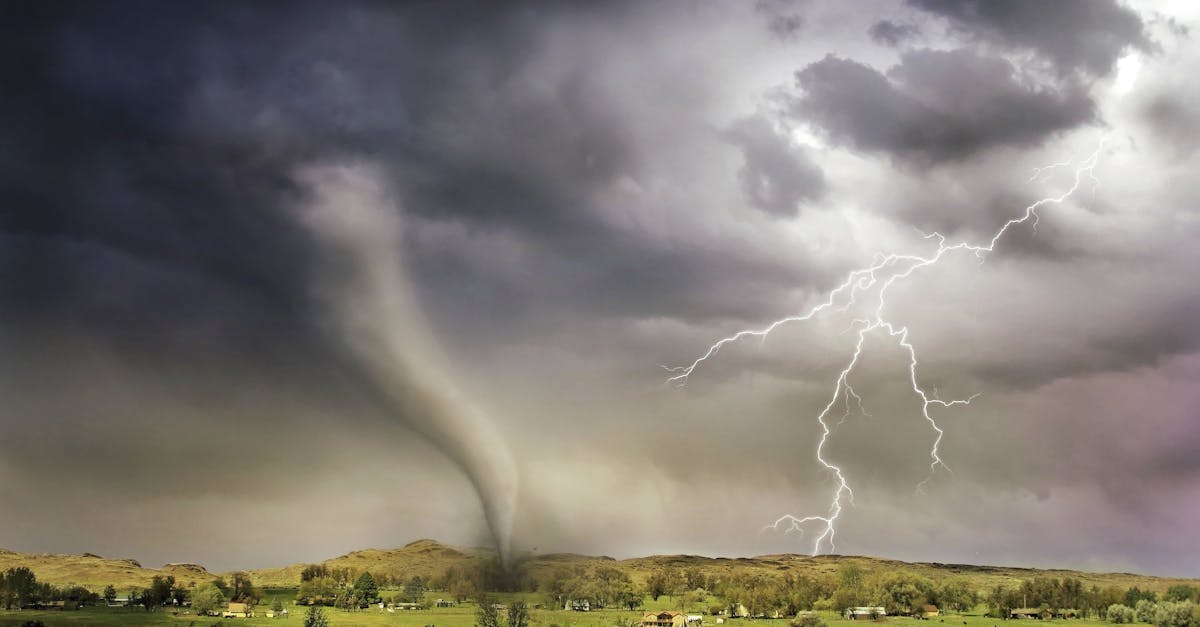
The Tri-State Tornado tore across Missouri, Illinois, and Indiana on March 18, 1925. Traveling 219 miles over three and a half hours, it remains the longest-track tornado ever recorded in U.S. history. With wind speeds estimated above 200 miles per hour, it killed 695 people and injured thousands.
Entire towns such as Murphysboro, Illinois, were devastated. The storm revealed critical gaps in early warning systems, leading to advances in meteorological research and the eventual development of modern tornado forecasting methods.
6) The 1938 Great New England Hurricane
Known as the Long Island Express, the 1938 hurricane struck Long Island and southern New England with little warning. Winds exceeded 120 miles per hour, and storm surges reached 25 feet in some areas. Approximately 600 to 800 people were killed.
The tempest knocked down billions of trees, altering New England’s woodlands for generations. It revealed shortcomings in forecasting, since weather experts miscalculated the hurricane’s velocity and path. Later advancements in tropical storm monitoring tools were partly inspired by the insights gained from this catastrophe.
7) Hurricane Katrina (2005)
When Hurricane Katrina made landfall along the Gulf Coast in August 2005, it triggered catastrophic levee failures in New Orleans. Though the storm weakened before landfall, storm surge and infrastructure breakdown led to massive flooding. More than 1,800 people died, and damages exceeded $125 billion.
Katrina exposed systemic vulnerabilities in emergency management, urban planning, and social equity. The disaster disproportionately affected low-income and elderly residents. It led to sweeping reforms in federal emergency response and major investments in levee reconstruction and coastal restoration.
8) The 1980 Mount St. Helens Eruption
On May 18, 1980, Mount St. Helens located in Washington State erupted following weeks of seismic unrest. A colossal landslide alongside a lateral blast completely ruined 230 square miles of woodland. The disaster claimed the lives of 57 people while generating upwards of $1 billion in property damage.
Though the death toll was lower than other events on this list, the eruption was the most destructive volcanic event in U.S. history. It advanced volcanic monitoring systems and improved hazard mapping, helping scientists better predict future eruptions.
Patterns, Lessons, and Enduring Impact
These eight disasters differ in origin—hurricanes, earthquakes, floods, tornadoes, and volcanic eruptions—but they share common themes. Many occurred before modern forecasting or building standards were in place. Others exposed social and infrastructural inequalities that magnified human loss. Each tragedy reshaped public policy, engineering, and scientific research.
Across American history, natural disasters have functioned as harsh instructors. They reveal weaknesses in infrastructure, gaps in preparedness, and disparities in protection. Yet they also catalyze innovation, from seawalls and levees to seismic codes and satellite forecasting. The legacy of these events lives on in safer buildings, more accurate warnings, and a deeper understanding that resilience requires constant vigilance in the face of nature’s power.