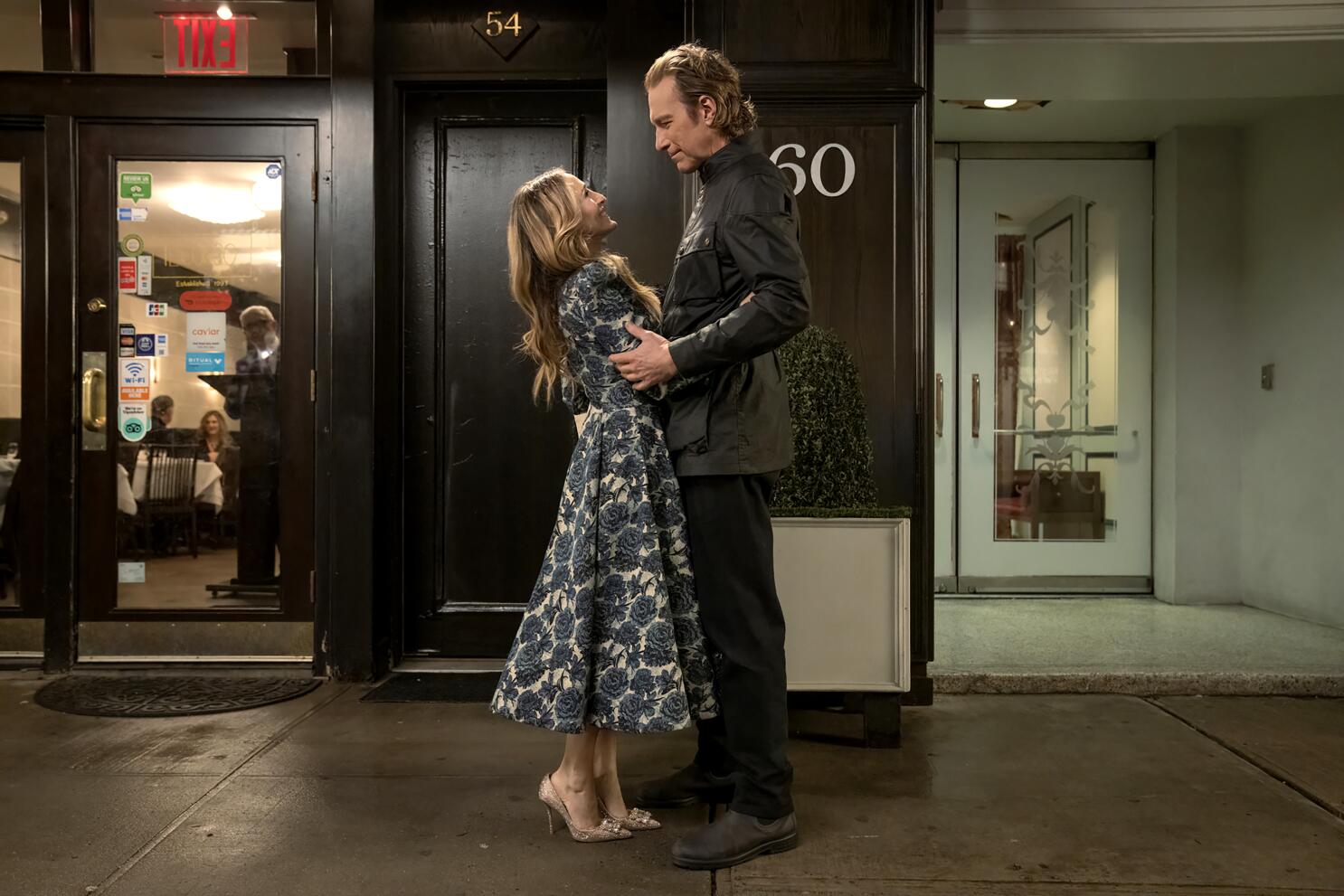

The eagerly awaited sequel to the cherished show “Sex and the City,” known as “And Just Like That,” launched with great excitement but ultimately left lots of viewers feeling disappointed. For a series that once encapsulated a generation’s views on relationships, companionship, and fashion, its follow-up struggled to recapture that same appeal. The new installment, which intended to portray the characters’ experiences in their 50s, instead seemed disconnected and distant from the core elements that made the original legendary. It starkly contrasted the clever, innovative, and sometimes gritty storytelling that fans had grown to love.
A significant factor in the show’s reception was the notable absence of one of its core pillars, Samantha Jones. The strained relationship between the actresses behind Samantha and Carrie Bradshaw in real life translated into a clunky and unsatisfying storyline for their characters. Instead of giving a proper send-off to such a pivotal figure, the show relegated Samantha to off-screen text messages and vague mentions, which felt like a disrespectful dismissal of her importance to the group’s dynamic. Her absence created a noticeable void, as Samantha represented a vital source of humor, independence, and unapologetic sexuality that was sorely missed in the new installment.
Furthermore, the character arcs for the remaining trio, Carrie, Charlotte, and Miranda, felt forced and unauthentic. Carrie, the heart of the original series, was stripped of her signature introspection and unique voice. Her grief storyline, while a potential avenue for emotional depth, often felt melodramatic and lacked the nuanced exploration of her internal world that her columns once provided. Charlotte’s character, once a charmingly neurotic traditionalist, was pushed into storylines that felt cliché and superficial, failing to evolve her beyond her role as a doting wife and mother. Her struggles with parenting and social issues were presented in a manner that felt more like a checklist of modern problems rather than genuine human experiences.
Miranda’s change was likely the most surprising for loyal followers. Her evolution from a skeptical and practical attorney to what seemed like an inexperienced and awkward learner seemed like a total departure from her well-known character. The series’ effort to depict her middle-aged realization appeared exaggerated, as her unexpected romantic relationship and venture into queerness felt more like a plot convenience than an authentic exploration. This dramatic alteration in character appeared to undermine her authenticity for the benefit of a “woke” storyline, distancing viewers who valued her for her honest, straightforward demeanor.
The introduction of new characters to compensate for Samantha’s absence and enhance diversity largely lacked successful integration into the narrative. Most of them appeared more as symbolic figures than as fully fleshed-out characters with unique storylines and motivations. The show’s efforts to tackle modern social topics, such as gender identity and racial disparities, appeared overbearing and moralizing. Discussions on these issues lacked the organic, engaging dialogue of the original show, resembling instructive seminars instead. This method stripped the series of its genuine charm, substituting its sharp humor with an overt attempt to be socially acceptable.
Uno de los mayores inconvenientes fue el enfoque distintivo del programa hacia la moda. En “Sex and the City,” la moda era casi un personaje en su propio derecho, una prolongación de las personalidades de las mujeres y un reflejo de su estado emocional. En “And Just Like That,” la moda a menudo se percibía más como un disfraz, extravagante y distante de las vidas cotidianas de los personajes. Aunque hubo destellos de genialidad, gran parte del guardarropa parecía un intento desesperado por recuperar la vieja magia, resultando en atuendos que lucían más como piezas de museo que como ropa usada diariamente. Este enfoque superficial hacia el estilo reflejaba la falta general de profundidad del programa.
The pacing and structure of the new series also contributed to its downfall. The narrative often jumped from one underdeveloped plot point to another, leaving no time for genuine character development or emotional resonance. The show’s short season format felt restrictive, forcing storylines to be rushed and resolutions to be unsatisfying. The original series thrived on its episodic nature, with each week offering a self-contained story that contributed to a larger narrative arc. The new format felt more like a fragmented collection of vignettes than a cohesive story, leaving audiences feeling like they were watching a highlight reel of missed opportunities.
In the end, the downfall of “And Just Like That” can be linked to its failure to grasp what originally made “Sex and the City” so popular. The original series was a timely depiction of the experiences of single women residing in New York City, noted for its candidness, wit, and sincere depiction of friendships among women. In stark contrast, the new series appeared to be overly eager to adapt to modern trends and social discussions, lacking a strong basis in character development or storytelling. As a result, it failed to retain the genuine essence of its forerunner and consequently lost its viewers.
The show’s attempt to evolve the characters into their 50s missed the mark by failing to respect their established personalities. Instead of showing a natural progression, it forced them into situations and beliefs that felt completely out of character. This creative decision alienated the very fans who had grown up with these women and felt a personal connection to their journeys. The new series did not feel like a continuation of a story but rather a re-imagining of it, with key elements discarded in favor of a new, less compelling vision.
In the end, “And Just Like That” acted as an unsatisfying reminder that certain tales are better left as they are. Although the nostalgic appeal of bringing back the characters was compelling, the program itself did not offer a story befitting their history. It was a series with the opportunity to delve into the intricacies of growing older, facing loss, and undergoing transitions, but chose instead a shallow and uncreative path. The outcome was a show that seemed less like a tribute to friendship and more like an empty replica of a cherished original.