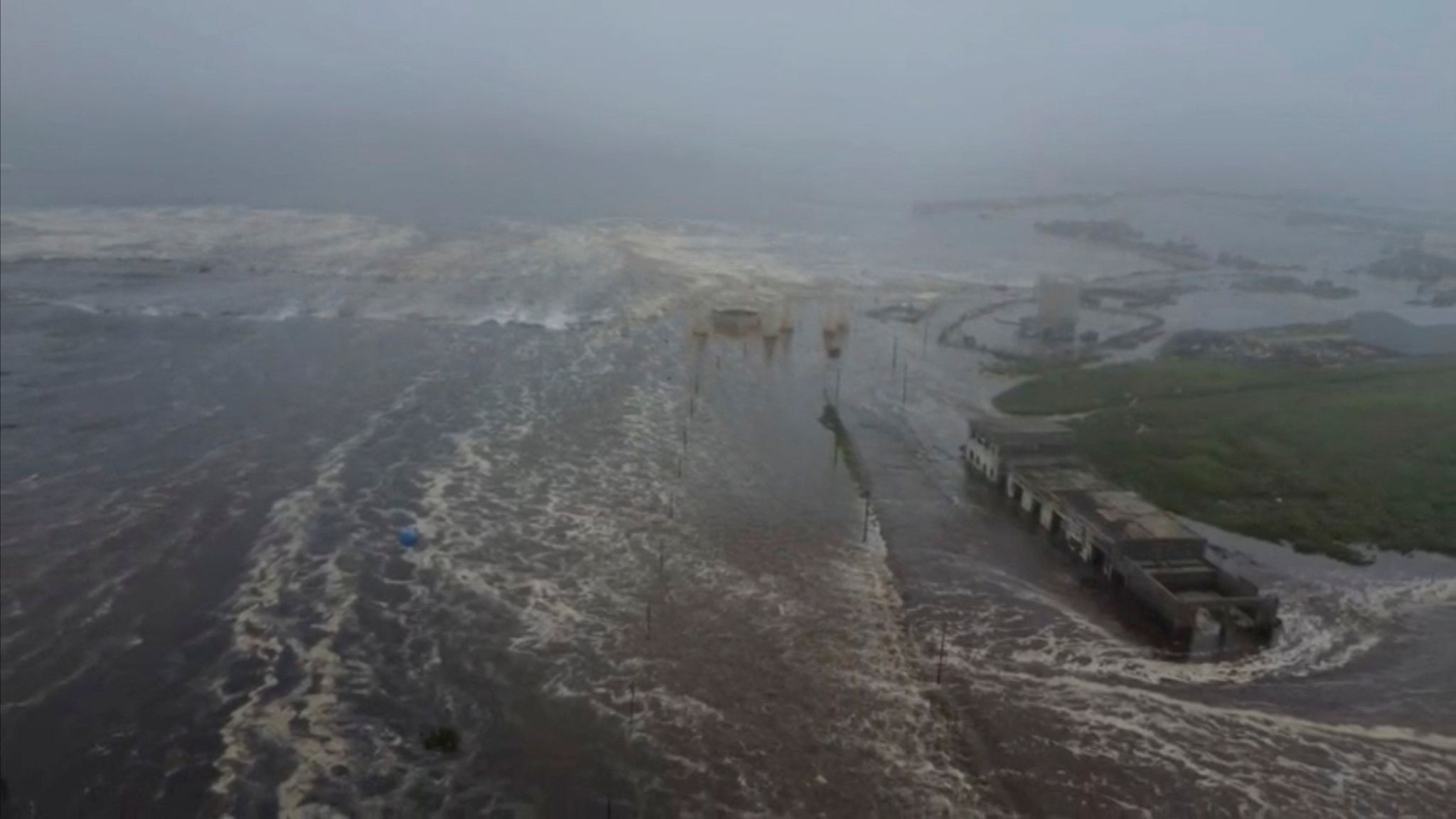

An underwater earthquake of considerable strength happened near the eastern seaboard of Russia, causing alerts about possible tsunami dangers for regions in Japan and the United States. This seismic occurrence, with a high magnitude, took place during the early local hours and led to quick actions by weather and emergency organizations in various nations.
According to early reports from global geological observation institutions, the earthquake’s epicenter was located close to the Kuril Islands. This area, which lies between the Russian Far East and northern Japan, is prone to seismic activity. The earthquake struck at a depth often linked with subduction zones, which are notorious for generating the most hazardous tsunamigenic earthquakes.
Japanese officials swiftly released tsunami warnings for the coastal zones in the northern parts, such as Hokkaido. People residing in lower elevation areas were advised to remain vigilant, keep track of government announcements, and get ready to leave if required. In a similar manner, the U.S. National Tsunami Warning Center assessed the possible effects along sections of Alaska’s shorelines and the U.S. Pacific islands, warning that tsunami waves might affect distant coasts depending on the quake’s specific characteristics.
While no immediate damage or injuries have been reported in Russia, officials there have also begun assessing coastal infrastructure and maritime traffic in the wake of the tremor. The magnitude of the quake — initially reported above 7.5 — raised serious concerns due to the region’s history of generating ocean-crossing tsunamis.
Emergency response mechanisms in Japan and the United States were set in motion shortly after the earthquake, highlighting the critical nature of prompt detection and readiness. Officials advised coastal populations to be aware of evacuation pathways and encouraged individuals to stay alert, even if the first wave activity seemed minimal. Historical incidents have demonstrated that tsunamis can move swiftly across the Pacific, occasionally requiring hours to reach shores but still inflicting considerable destruction upon arrival.
In Japan, which remains one of the most tsunami-prone countries due to its geography, local governments initiated precautionary evacuations in select towns. Bulletins from the Japan Meteorological Agency indicated that wave heights were expected to remain moderate but advised that local variations could lead to stronger surges in bays or narrow inlets.
While this was occurring in the United States, tsunami alerts were sent out for sections of the Aleutian Islands and the coastlines of Alaska, which have a history of being susceptible to seismic sea wave occurrences. The National Oceanic and Atmospheric Administration (NOAA) reported that they were closely monitoring the situation and would share updates as fresh information came from tide gauges and seismic detectors.
Tsunamis set off by underwater quakes frequently lead to extensive worries as their influence can stretch over several nations and continents. Even a small rise in wave height may result in hazardous flooding, powerful currents, and harm to ports, harbors, and infrastructure. Additionally, the mental impact on communities with previous trauma from tsunamis—like the catastrophic 2011 Tōhoku tragedy in Japan—makes even preventive warnings more pressing.
Seismologists monitoring the event have emphasized that this earthquake is a reminder of the volatile nature of tectonic boundaries in the Pacific Ring of Fire. This belt, which encircles much of the Pacific Ocean, is characterized by intense geological activity, including earthquakes, volcanic eruptions, and ocean trench formation. The Kuril-Kamchatka arc, where the quake occurred, is a well-known zone of frequent seismic disturbances due to the subduction of the Pacific Plate beneath the Eurasian Plate.
Although predictions for tsunamis are growing in precision, a lot relies on the particular aspects of each earthquake, including its depth, how long it lasts, and the characteristics of the ocean floor disruption. In this case, preliminary computer simulations indicated the possibility of a tsunami forming, but more studies on wave patterns are required to assess the real danger to shores throughout the Pacific.
A medida que la situación evoluciona, la coordinación internacional entre entidades como el Pacific Tsunami Warning Center, la Japan Meteorological Agency y equipos regionales de respuesta a emergencias sigue siendo clave para reducir riesgos y difundir información a tiempo. Se fomenta a los habitantes de las áreas afectadas a confiar en fuentes oficiales y evitar la propagación de información errónea a través de redes sociales o canales no oficiales.
Local disaster preparedness agencies have also taken the opportunity to remind communities of the importance of emergency planning. Whether or not this event results in significant coastal impacts, authorities highlight that understanding evacuation routes, maintaining emergency supply kits, and knowing how to respond to tsunami alerts are essential components of coastal resilience.
In the hours following the quake, no major wave activity had yet been reported on distant shores, though tide gauges were being monitored closely for any significant fluctuations. Some nations in the Pacific basin, including island territories with limited elevation, remain on high alert due to the unpredictable nature of tsunami propagation.
The event also reignites global conversations about the importance of earthquake early-warning systems and investment in coastal defense infrastructure. As ocean populations grow and climate change exacerbates the risks faced by vulnerable communities, preparing for low-probability but high-impact natural disasters becomes increasingly crucial.
While the earthquake off Russia’s coast may ultimately pass without major incident, the rapid and coordinated response underscores how far tsunami awareness and emergency systems have advanced in recent decades. It also serves as a stark reminder of the enduring power of Earth’s tectonic forces and the need for continued vigilance in regions where the land meets the sea.
Officials in Japan, the United States, and Russia are persistently keeping an eye on the situation. As fresh seismic and oceanic details come to light, they will provide updates. It is recommended that individuals in possibly affected zones stay updated, stay calm, and adhere to guidance from local authorities if additional measures are required.