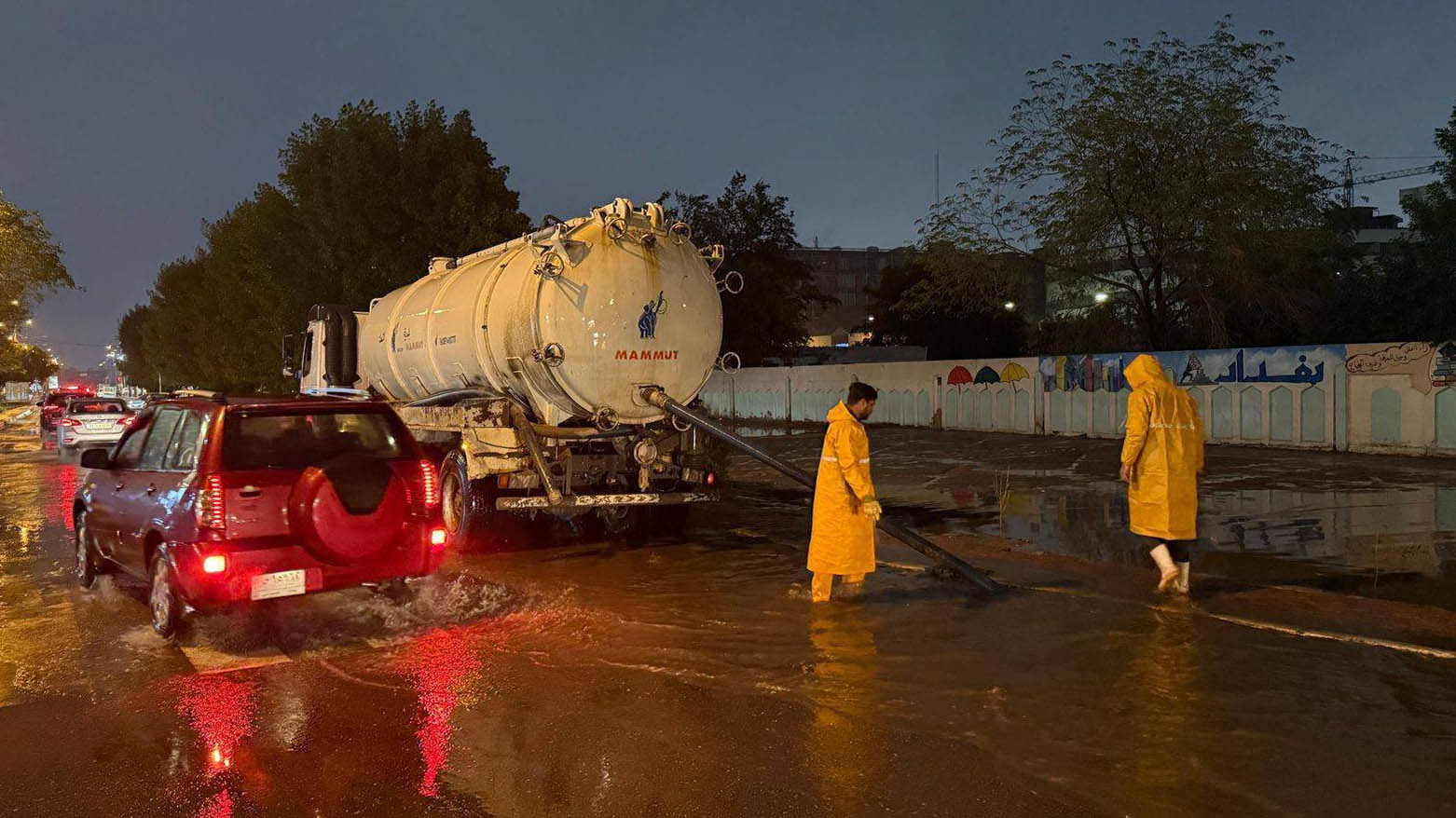

Heavy rainfall surged through areas of New Jersey and New York City, causing abrupt and perilous flash floods that led to the deaths of two individuals and left communities dealing with the consequences. The significant precipitation, which overpowered drainage systems and inundated roads, residences, and transit routes, serves as another reminder of the increasing occurrence and intensity of extreme weather incidents in the northeastern United States.
Emergency services were deployed to numerous sites as water levels surged swiftly, flooding roads, immobilizing drivers in water-logged cars, and compelling some residents to leave their homes. The storm arrived abruptly, surprising many, although weather warnings had been communicated earlier that day. By the evening, officials had verified two deaths—one occurred in New Jersey and one in New York City—both associated with flooding events.
In New Jersey, local officials reported that a person drowned after being caught in rising waters near a residential area. First responders attempted a rescue but were unable to reach the individual in time due to the strength and speed of the current. In New York City, emergency crews found the body of another victim in a flooded basement apartment in Queens—a borough often hit hard during storms due to its low-lying terrain and aging infrastructure.
Both deaths highlight how quickly conditions can deteriorate during flash floods and how even urban environments are not immune to nature’s force when overwhelmed by water. The volume of rainfall recorded during the storm was unprecedented for a single afternoon, according to meteorologists monitoring the weather system. Some neighborhoods saw more than three inches of rain fall in just one hour, a rate well beyond the capacity of most stormwater systems to manage efficiently.
New York City’s subway system experienced widespread delays and temporary shutdowns, particularly on lines that run through low-elevation tunnels and stations prone to water intrusion. Commuters faced major disruptions during the evening rush hour, and some stations had to be closed completely while crews worked to pump out water and assess damage. In New Jersey, several roadways, including major highways and bridges, became impassable as floodwaters rose above curbs and onto vehicle roofs.
City and state authorities conducted press conferences advising locals to remain inside, refrain from driving except when essential, and pay attention to evacuation recommendations as they are given. Mayor Eric Adams of New York and Governor Phil Murphy of New Jersey both stressed the significance of readiness and offered sympathies to the families impacted by the disaster. They also promised to assess infrastructure weaknesses and speed up initiatives to enhance flood resistance throughout the area.
Experts on climate indicate that shifting weather patterns play an essential role in the rise of frequent extreme events. Warmer atmospheric conditions driven by climate change enable the air to retain more moisture, which causes heavier rainfall during storms. Cities with extensive concrete surfaces and minimal green spaces often face the harshest impacts, as water runoff lacks proper drainage routes, causing quick buildup and hazardous sudden floods.
Communities in both states are already familiar with the risks posed by climate-related disasters. Events like Hurricane Ida, Superstorm Sandy, and more recent summer storms have exposed the weaknesses in stormwater systems, building codes, and emergency response frameworks. While improvements have been made over the past decade, many experts argue that far more investment and proactive planning are needed to ensure safety in the face of future climate threats.
Individuals residing in areas affected by flooding during this storm recounted frightening scenes of water bursting through basement windows, manhole covers being pushed up due to surging pressure, and cars being carried away. Some shared stories of having to traverse chest-high water to find safer locations, while others were saved by emergency personnel with the aid of inflatable boats and high-water vehicles.
Temporary shelters were established to house individuals who were forced to leave their homes due to the flooding. A multitude of families looked for short-term accommodations as the clean-up efforts commenced, and energy companies labored to reinstate electricity to regions affected by storm-induced blackouts. Health authorities released advisories regarding possible pollution in the floodwaters and strongly recommended that individuals steer clear of contact, highlighting worries about bacteria, sewage, and debris.
The financial impact of the storm is still under assessment, but initial figures point to substantial harm to public infrastructure, private assets, and business premises. Entrepreneurs with small businesses in the impacted areas are now dealing with expenses for cleaning up, loss of stock, and business service disruptions, all of which compound the financial pressure already brought on by recent inflation and supply chain issues.
Insurance providers are preparing for a surge in claims related to flood damage. However, many homeowners in flood-prone areas may find themselves inadequately covered, as standard policies often exclude water-related incidents unless specific flood insurance is purchased. This gap in coverage has long been a point of contention, especially in communities where flooding has become more common despite not being designated high-risk zones in outdated federal maps.
Looking ahead, the storm has reignited debate over how cities and states can adapt more effectively to an evolving climate landscape. Experts recommend a multi-pronged approach that includes upgrading drainage systems, installing more permeable surfaces to absorb rainwater, enhancing emergency communication protocols, and investing in early warning technologies that offer more localized alerts.
In New York and New Jersey, the recollection of previous catastrophes remains vivid, and the recent storm will probably lead to increased demands for changes in policies and updates to infrastructure. With the ongoing effects of climate change on the surroundings, cities must adapt in order to safeguard lives, jobs, and community resources.
The tragic loss of life in this latest event serves as a somber reminder of the stakes involved. As the region recovers, officials, planners, and residents alike are being urged to work together to build resilience not just for the next storm—but for a future where such storms are no longer rare.