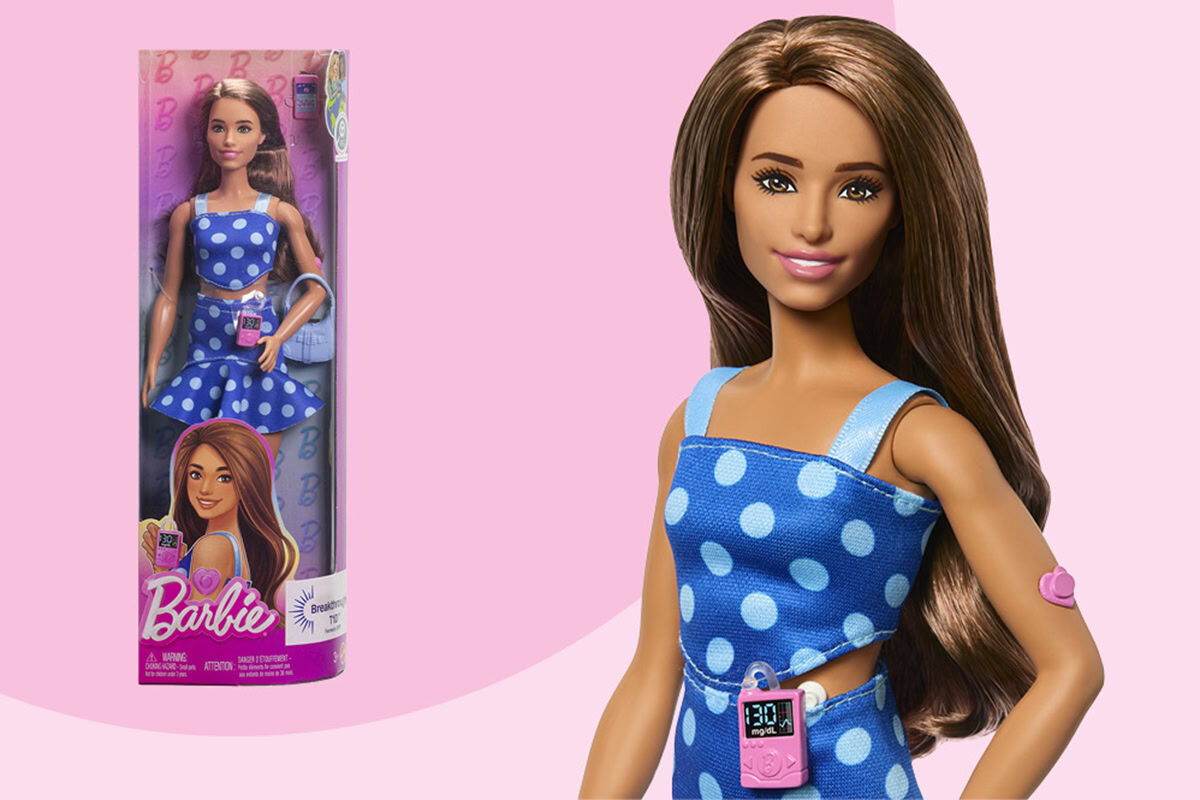

In an effort to highlight the significance of representation and inclusivity in the toy industry, Barbie has unveiled a new doll that embodies the life of living with type 1 diabetes. This development represents an important stride in recognizing the realities encountered by numerous children who deal with this chronic illness on a daily basis, providing them with a relatable figure and promoting wider discussions surrounding health, diversity, and acceptance.
For decades, Barbie has been more than just a toy. She has served as a cultural icon, a symbol of changing societal norms, and a reflection of aspirations and possibilities for children around the world. From careers in medicine, science, and sports to embracing a variety of body types, ethnicities, and abilities, the Barbie brand has evolved to better mirror the diversity of the real world. The introduction of a Barbie with type 1 diabetes is yet another example of this evolution, aimed at fostering understanding and providing comfort to children who live with the condition.
Type 1 diabetes is an autoimmune disease in which the body’s immune system mistakenly attacks the insulin-producing cells of the pancreas. As a result, individuals with type 1 diabetes must carefully manage their blood sugar levels through daily insulin administration, monitoring, and dietary considerations. This lifelong condition requires constant attention, and for children, it can bring a unique set of challenges—both physical and emotional.
The choice to introduce a Barbie doll that visibly embodies type 1 diabetes was driven by an increasing understanding of the importance of inclusivity in toys and acknowledging that numerous children do not find their personal experiences mirrored in the toys they engage with. For kids managing diabetes, this new doll not only reflects their circumstances but also contributes to making the condition more commonplace, which could lessen feelings of isolation or uniqueness.
The doll is packaged with accessories, such as a medical gadget that looks like an insulin pump, as well as a continuous glucose monitor, which are crucial devices for managing type 1 diabetes. These carefully designed features increase the authenticity of the doll while also providing an educational function, assisting both children and adults in comprehending the daily lives of individuals managing this condition. By incorporating these elements, Barbie plays a role in reducing the stigma associated with diabetes and promotes understanding among children who might be unfamiliar with it.
The release of this doll has been welcomed by health organizations, parents, and diabetes advocates, many of whom emphasize the importance of representation in fostering self-esteem and resilience in children. For a young child with type 1 diabetes, seeing a popular and beloved toy that mirrors their own life can be incredibly validating. It sends the message that their condition does not limit their dreams, their identities, or their value.
Beyond the immediate impact on children with diabetes, the new Barbie also serves an important role in raising general awareness about type 1 diabetes. Public understanding of the condition is often limited, with misconceptions persisting about its causes, treatment, and daily impact. By bringing type 1 diabetes into mainstream conversation through a globally recognized brand, the doll helps to dispel myths and encourage more informed discussions.
The introduction of a Barbie with diabetes is part of a larger movement in the toy sector towards enhanced inclusivity and representation. Lately, there has been a growing demand for toys that mirror the diverse spectrum of human experiences, capabilities, and identities. This has encompassed dolls with artificial limbs, auditory devices, mobility chairs, and varying skin colors, body types, and hair styles. These initiatives correspond with studies indicating that children gain from playing with toys that represent both themselves and others, fostering empathy, comprehension, and self-assurance.
Barbie’s focus on diversity helps not only children with particular conditions but also enhances the play experiences for all kids. By presenting toys that mirror the world’s diversity, children become familiar with differences early on, setting the stage for inclusivity and societal acceptance as they mature. Play is a fundamental part of childhood, and the toys they interact with can deeply influence their views of themselves and those around them.
For families dealing with type 1 diabetes, the latest Barbie offers an opportunity to engage in important discussions. Handling diabetes includes intricate routines and comprehending the body’s requirements, which can occasionally be challenging to convey to young ones or friends. A doll that visually depicts this scenario can act as a beneficial resource for parents, caregivers, and educators to talk about diabetes in a manner that is understandable and meaningful. It can assist in removing the mystery surrounding the condition and underscore the strength of individuals who handle it every day.
The decision to launch a diabetic Barbie also reflects growing consumer demand for brands to demonstrate social responsibility and authenticity. Today’s parents and children are increasingly drawn to products that carry meaningful messages and support values such as inclusion, health awareness, and social good. By listening to the voices of consumers, healthcare advocates, and individuals living with chronic conditions, brands like Barbie can remain relevant and impactful in an ever-changing world.
The significance of the doll extends beyond the toy aisle. It is a reflection of broader societal conversations around representation in media, fashion, entertainment, and education. When children see themselves represented in positive and empowering ways, it can shape their sense of identity and possibility. For children with chronic health conditions, this representation can be particularly powerful, offering reassurance that they are seen, valued, and capable of achieving their dreams.
The launch of the Barbie doll with type 1 diabetes highlights the influence that brands can have in promoting health education. By making toys that mirror actual health conditions, companies have a chance to inform not just kids but also entire communities about health issues impacting millions globally. Presenting intricate topics like diabetes in a manner suitable for children encourages curiosity, empathy, and comprehension, which helps in diminishing stigma and supports inclusive attitudes.
As numerous companies continue to broaden their product ranges to incorporate varied experiences, they establish a fresh benchmark for what inclusiveness signifies in commerce. Showcasing in playthings, literature, television, and media is now seen as an essential portrayal of the actual diversity within humanity, rather than as an optional token. For kids managing type 1 diabetes, the introduction of this new Barbie symbolizes more than merely a plaything—it is an affirmation that their realities and narratives hold significance.
The influence of this new doll is already noticeable. Social media platforms, parent networks, and diabetes support organizations have expressed positive feedback from children who, for the first time, feel represented through this doll. For numerous young kids dealing with diabetes, this toy acts as a daily reminder that they aren’t isolated and that having a health condition doesn’t define or restrict their potential.
Furthermore, the introduction of such toys can help foster resilience in children by normalizing the presence of medical devices and health management tools. Rather than feeling embarrassed or self-conscious, children may take pride in their ability to manage their health, reinforced by seeing beloved dolls navigating similar experiences. This normalization is essential in building both self-esteem and psychological well-being.
Looking ahead, the success and positive reception of this Barbie could inspire other brands to continue expanding the diversity of their products. Whether by representing other health conditions, disabilities, or underrepresented identities, there is vast potential for the toy industry to contribute to a more inclusive society through the power of play. Each new figure, each new story told through toys, has the potential to shape how future generations perceive themselves and others.
The Barbie designed with type 1 diabetes is a significant inclusion to a brand that has been embedded in childhood memories for many generations. It acknowledges the importance of allowing every child to identify with the toys they cherish. When children embrace dolls that reflect their personal experiences—be it related to health, cultural heritage, or physical uniqueness—the conveyed message is straightforward: every individual’s narrative is valuable.
Through this thoughtful representation, Barbie continues its journey from fashion doll to a symbol of diversity and inclusion. In doing so, it empowers not only children with type 1 diabetes but also all children to embrace differences, foster understanding, and imagine a world where everyone is seen, valued, and celebrated.