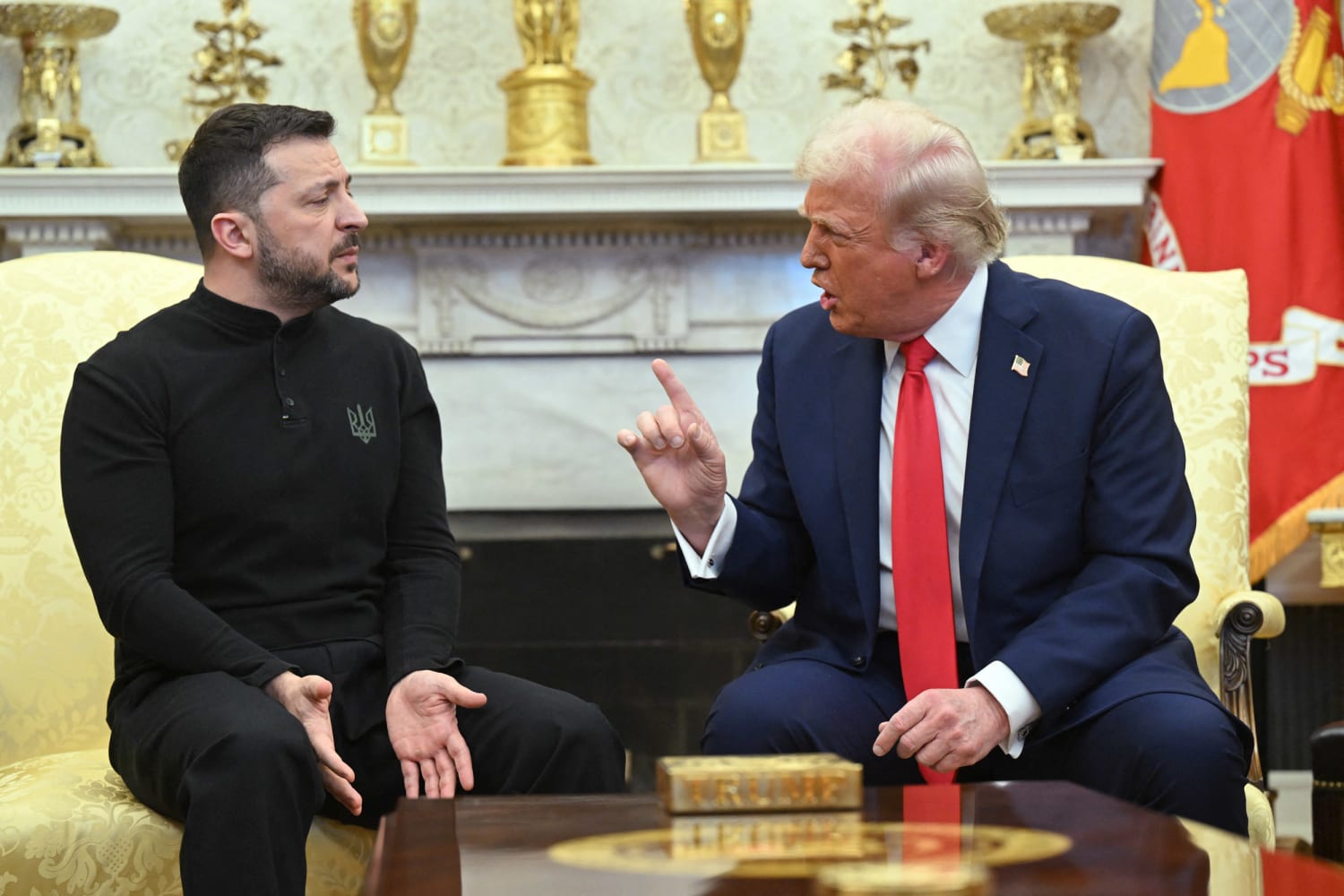

Ukraine’s request for a high-level meeting comes at a moment when diplomatic pressure is intensifying and international expectations for a renewed peace strategy continue to rise. The timing reflects both urgency and the shifting dynamics of global negotiations.
As Ukraine reiterates its request for direct discussions between President Volodymyr Zelensky and U.S. President Donald Trump, the geopolitical environment surrounding the conflict has entered a novel and intricate stage. This plea for a one-on-one meeting highlights Kyiv’s increasing eagerness to re-establish diplomatic avenues, secure military aid, and guarantee that its strategic objectives maintain prominence on the international scene. Concurrently, the White House has stressed that any substantial advancement towards resolving the conflict necessitates further rounds of synchronized peace negotiations—a strategy designed for extensive involvement and enduring resolutions, rather than swift, symbolic encounters.
Ukraine’s quest for re-established diplomatic ties
Ukraine’s desire for a direct encounter stems from a wider strategy to bolster global backing and solidify its position as a key player in peace discussions. With the ongoing conflict depleting national assets and challenging public endurance, Kyiv understands the necessity of preserving robust ties with international allies—especially the United States, whose political endorsement, military assistance, and diplomatic leverage are still vital.
For the Ukrainian leadership, the chance to engage with President Trump offers a pathway to solidify commitments, tackle changing defense requirements, and voice worries regarding the enduring viability of international aid. Kyiv’s appeal also underscores its aim to guarantee that any forthcoming peace agreements fully incorporate and do not undermine its fundamental concerns. As the conflict persists, diplomatic skill is as crucial as military tactics, rendering top-level dialogue essential.
From Ukraine’s viewpoint, a face-to-face presidential encounter might facilitate the resolution of stagnant discussions, offer insight into Washington’s shifting policy trajectory, and underscore the principle that the route to peace must emphasize national sovereignty and territorial integrity. Kyiv’s leadership contends that the symbolic and diplomatic weight of such a gathering could rekindle global interest, particularly as geopolitical strains globally increasingly draw attention elsewhere.
The White House position on peace talks and diplomatic sequencing
While Ukraine views a Zelensky-Trump meeting as a potential catalyst for progress, the White House has stressed the importance of sequencing and structure. According to recent statements, U.S. officials maintain that additional rounds of multilateral talks are essential before any presidential meeting takes place. Their stance reflects a belief that broad-based engagement—including European allies, regional partners, and international organizations—remains the most promising route toward a durable resolution.
This careful stance stems from worries that mere bilateral symbolism, lacking a solid foundation, might jeopardize broader diplomatic structures. The White House aims to guarantee that any encounter is not just for show, but rather strategically aligned with current discussions and in harmony with the United States’ policy goals. By advocating for more talks among crucial parties initially, Washington intends to forge a more cohesive global position before proceeding with prominent presidential engagements.
The focus on continued diplomatic efforts also stems from an understanding that the conflict’s intricacies go beyond military engagements. Economic steadiness, energy assurance, humanitarian issues, and regional partnerships all play a role in formulating a cohesive framework for peace. The White House maintains that bypassing fundamental stages could diminish international influence and undermine the trustworthiness of subsequent accords.
Balancing urgency with strategic patience
Even though Kyiv and Washington share common objectives, the route to any future encounter is still complicated by strategic factors. Ukraine’s pressing need is quite clear: ongoing hostilities lead to increasing human suffering, economic pressure, and logistical hurdles. For the Ukrainian government, prompt diplomatic discussions present a possible way to unblock delayed assistance, strengthen partnerships, and demonstrate national determination.
On the other hand, the White House prioritizes a methodical and systematic approach. U.S. officials argue that peace cannot be rushed without jeopardizing its durability. The insistence on further negotiations is rooted in a long-term vision—one that seeks stability not just for Ukraine, but for the entire region.
This tension between urgency and caution defines much of the current diplomatic environment. Both nations share a common objective: ensuring that any peace framework is robust, enforceable, and consistent with democratic principles. Yet their approaches differ in timing and tone. It is this delicate balance that will shape the shape of future discussions and, ultimately, the possibility of a Zelensky-Trump meeting.
Global collaboration and the contribution of international allies
The demand for broader peace discussions preceding any presidential summit underscores the vital contribution of international collaborators. The European Union, nations within NATO, and significant allies globally have consistently stressed the value of collective endeavors. Harmonized diplomatic initiatives have formed the bedrock of worldwide backing for Ukraine, and sustaining solidarity is paramount as discussions progress.
The White House’s emphasis on wider involvement stems from a wish to prevent disjointed efforts that might diminish overall impact. A unified alliance possesses increased power in formulating truce agreements, security assurances, rebuilding plans, and enduring oversight frameworks. The United States acknowledges that attaining lasting peace necessitates not only military and political alignment but also economic and humanitarian foresight.
Ukraine’s diplomatic efforts recognize this fact, even while advocating for direct discussions with Washington. Kyiv comprehends that collective backing is still essential, yet it also holds the conviction that its one-on-one relationship with the U.S. can influence the course and pace of wider discussions. The dynamic interaction between these two diplomatic avenues—individual and collective—will be crucial in establishing the speed at which negotiations can advance.
Obstacles influencing the trajectory of negotiations
Multiple challenges continue to influence the timing and structure of diplomatic efforts. First, the conflict’s unpredictability complicates planning. Shifts in territorial control, supply chain disruptions, and emerging regional tensions require negotiators to remain flexible and adaptive.
Second, global geopolitical dynamics—ranging from energy market fluctuations to tensions in other regions—draw attention and resources away from the conflict. Maintaining international focus demands consistent diplomatic engagement and strategic communication from Kyiv and its allies.
Third, the internal political environments of different nations—the U.S. included—are crucial in determining policy choices. Leaders are tasked with balancing conflicting objectives, financial limitations, and public sentiment when contemplating future pledges and diplomatic endeavors.
Despite these challenges, momentum for renewed dialogue persists. Ukraine’s request for a meeting has sparked fresh discussions about the structure and pace of diplomacy, while the White House’s call for broader talks underscores the importance of inclusive decision-making. Both viewpoints reflect an investment in the long-term goal of establishing a just and lasting peace.
The potential implications of a Zelensky-Trump encounter
Should a summit ultimately occur, its ramifications would stretch well beyond the mere symbolism of two heads of state convening. It would signify a revitalized period of collaboration, underscore Washington’s ongoing engagement in the security of Eastern Europe, and underscore Ukraine’s pivotal position in determining its own destiny. The dialogue might encompass crucial areas: military readiness, rebuilding strategies, humanitarian aid, and structures for subsequent discussions.
However, a gathering of this nature would only hold significance if underpinned by meticulous diplomatic preparation. Lacking defined goals and a preliminary agreement among partners, the conversations could easily devolve into mere superficiality. The White House’s emphasis on strategic sequencing is designed to guarantee that, when the moment arrives, the encounter yields concrete results instead of just political posturing.
For Ukraine, the symbolic significance of a presidential encounter would boost domestic morale and convey a distinct message to the global community that its ongoing struggle maintains high-level focus. Prominence and political backing are vital resources during wartime, and prominent diplomatic efforts reinforce both aspects.
The path ahead for diplomatic engagement
The coming months will be decisive in shaping the trajectory of peace efforts. As Ukraine continues advocating for direct engagement and the United States reiterates the need for expanded discussions, the international community awaits signs of alignment. Bridging the gap between urgency and strategic patience will require careful negotiation, transparent communication, and a shared commitment to long-term stability.
Ukraine’s appeal for a meeting between Zelensky and Trump signifies an effort to revitalize discussions, whereas the White House’s stance illustrates a wider perspective on organized, international diplomatic engagement. Both viewpoints contribute to the developing framework for achieving peace, providing insight into the intricate nature of contemporary governance amidst hostilities.
Ultimately, the triumph of any upcoming gathering—and truly, of any peace endeavor—will hinge on readiness, collaboration, and the readiness of international players to stay cohesive. As the dispute persistently influences regional and global governance, diplomacy stands as the most potent instrument for guiding the path toward a settlement.