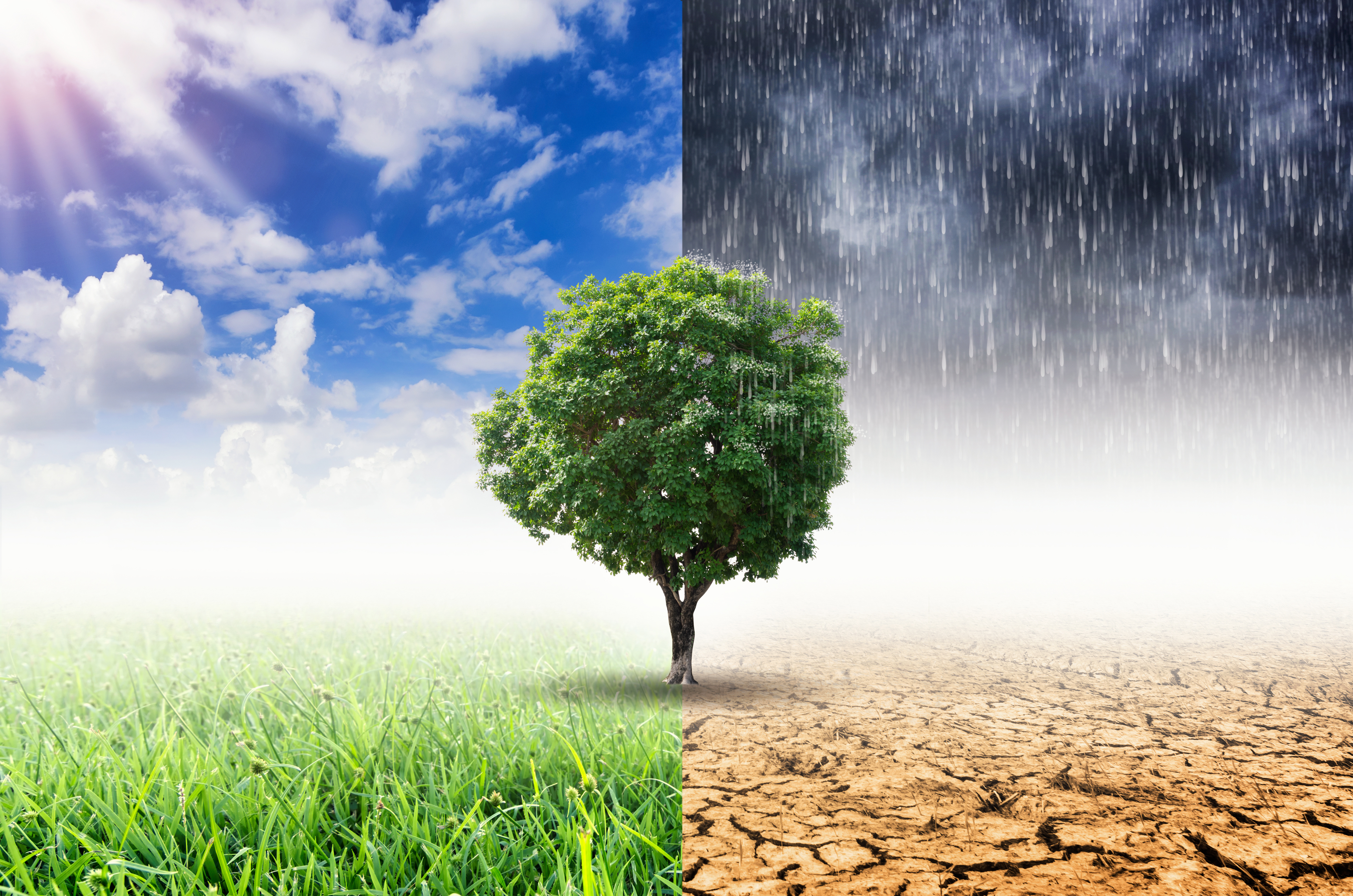

In a landmark decision that could redefine how countries are held accountable for environmental harm, the world’s top international court has declared that nations may legally challenge one another over climate-related damage. The ruling marks a significant turning point in global environmental governance, offering a new avenue for climate justice and potentially changing how the world addresses the growing threat of climate change.
The decision, handed down by the International Court of Justice (ICJ), affirms that countries have legal standing to sue one another over the consequences of climate change, particularly when those consequences cross borders or undermine shared global interests. This move could set the stage for a wave of international litigation, as nations—particularly those most vulnerable to climate impacts—seek to hold high-emitting states accountable for environmental degradation, rising sea levels, extreme weather events, and loss of biodiversity.
For decades, international climate policy has focused largely on negotiation, cooperation, and voluntary commitments. Treaties such as the Paris Agreement have sought to encourage nations to reduce greenhouse gas emissions and transition to more sustainable practices. However, these frameworks have lacked binding enforcement mechanisms, often relying on moral obligation and diplomatic pressure. This new legal recognition offers a more formal path for addressing climate grievances between nations.
El fallo no está vinculado a un caso específico, pero surge como respuesta a la creciente inquietud global sobre la suficiencia de las acciones climáticas actuales y las repercusiones reales que ya se están experimentando en muchas partes del mundo. Las naciones insulares pequeñas, los estados costeros bajos y los países en regiones áridas o propensas a desastres han sido especialmente enfáticos sobre los desiguales efectos del cambio climático. Para estos, la posibilidad de buscar soluciones legales en el ámbito internacional se considera un paso fundamental hacia la equidad y la supervivencia.
Legal specialists suggest that this decision paves the way for a wider understanding of addressing environmental damage within international law. Traditionally, countries have had the ability to make claims against each other for cross-border pollution or breaches of agreements. However, due to the worldwide impact and intricate origins of climate change, it has frequently avoided such straightforward legal categorization. By specifying that harm linked to climate can be examined legally, the court has set a precedent that will probably be cited in future years.
This move also places greater responsibility on developed nations, which have historically contributed the most to greenhouse gas emissions. If countries begin filing claims for damages, legal proceedings could compel wealthier, industrialized nations to offer reparations or support adaptation measures in more vulnerable regions. Such outcomes would reinforce the principle of “common but differentiated responsibilities,” a foundational concept in climate policy that acknowledges the unequal contribution to and impact of climate change among nations.
While the decision does not automatically trigger any specific lawsuits, it gives countries new legal leverage to pursue claims. Already, legal teams and policymakers around the world are assessing how this ruling might support existing or future cases. Some legal scholars suggest that this could eventually lead to the creation of new international legal norms or even a specialized tribunal to deal exclusively with climate-related disputes.
Critics of the ruling have raised concerns about its practical implications. International lawsuits can take years, even decades, to resolve, and the legal threshold for proving direct causation between emissions and specific climate events remains high. Furthermore, enforcement of court rulings between sovereign states is inherently complex. Nonetheless, proponents argue that the symbolic and procedural value of the decision outweighs these challenges, offering hope and a voice to communities often excluded from global power dynamics.
Supporters of environmental causes have hailed the decision as a much-needed acknowledgment of the gravity of the climate emergency and the necessity for practical legal mechanisms to tackle it. For numerous individuals, the option to escalate disputes from discussions to legal proceedings indicates that the global community is starting to regard climate change not only as a scientific and political challenge but also as an issue of justice and human rights.
This ruling might also affect local judicial frameworks. National courts could view this decision as a reference point for their climate-related litigation, potentially resulting in more rigorous application of environmental safeguards domestically. Additionally, it indicates to businesses and sectors that global legal scrutiny regarding emissions and environmental consequences is expected to increase.
Furthermore, the decision strengthens the concept that ecological damage does not adhere to national boundaries. With the rapid advancement of climate change, its impacts spread through various areas, affecting ecosystems, forcing communities to relocate, and endangering the stability of food and water resources. Through validating international legal claims, the court has recognized the interlinked characteristics of environmental danger and the necessity for an international system to address it.
With an eye on the future, this choice might prompt a greater focus on cooperative strategies for climate resilience. Nations could find more motivation to collaborate on efforts for mitigation and adaptation, aware that inaction might lead to legal risks. Additionally, it might bolster the stance of developing countries in climate discussions, providing them with further means to insist on significant measures and assistance from richer countries.
Importantly, the ruling underscores a shift in how international law is evolving in response to modern challenges. Climate change, long considered the domain of scientists and diplomats, is now increasingly recognized as a legal issue that intersects with fundamental rights, national sovereignty, and international responsibility. The court’s acknowledgment of this dynamic reflects a growing awareness that the legal system must adapt to address the realities of a warming world.
Although the real impact of this legal avenue is yet to be determined, its significance is profound. It signals a possibly significant development in global efforts to combat climate change, where the judiciary might become as pivotal as international agreements or conferences. For nations experiencing critical risks from sea-level rise or frequent climate-related emergencies, this ruling holds significance beyond mere symbolism. It provides a mechanism, despite its intricacies or flaws, to pursue justice, hold parties accountable, and uphold their entitlement to a habitable environment.
As climate change continues to reshape the global landscape—ecologically, economically, and politically—so too must the frameworks through which nations respond. The court’s decision signals that the era of climate litigation is not only here, but it may also become a defining feature of international relations in the decades ahead.