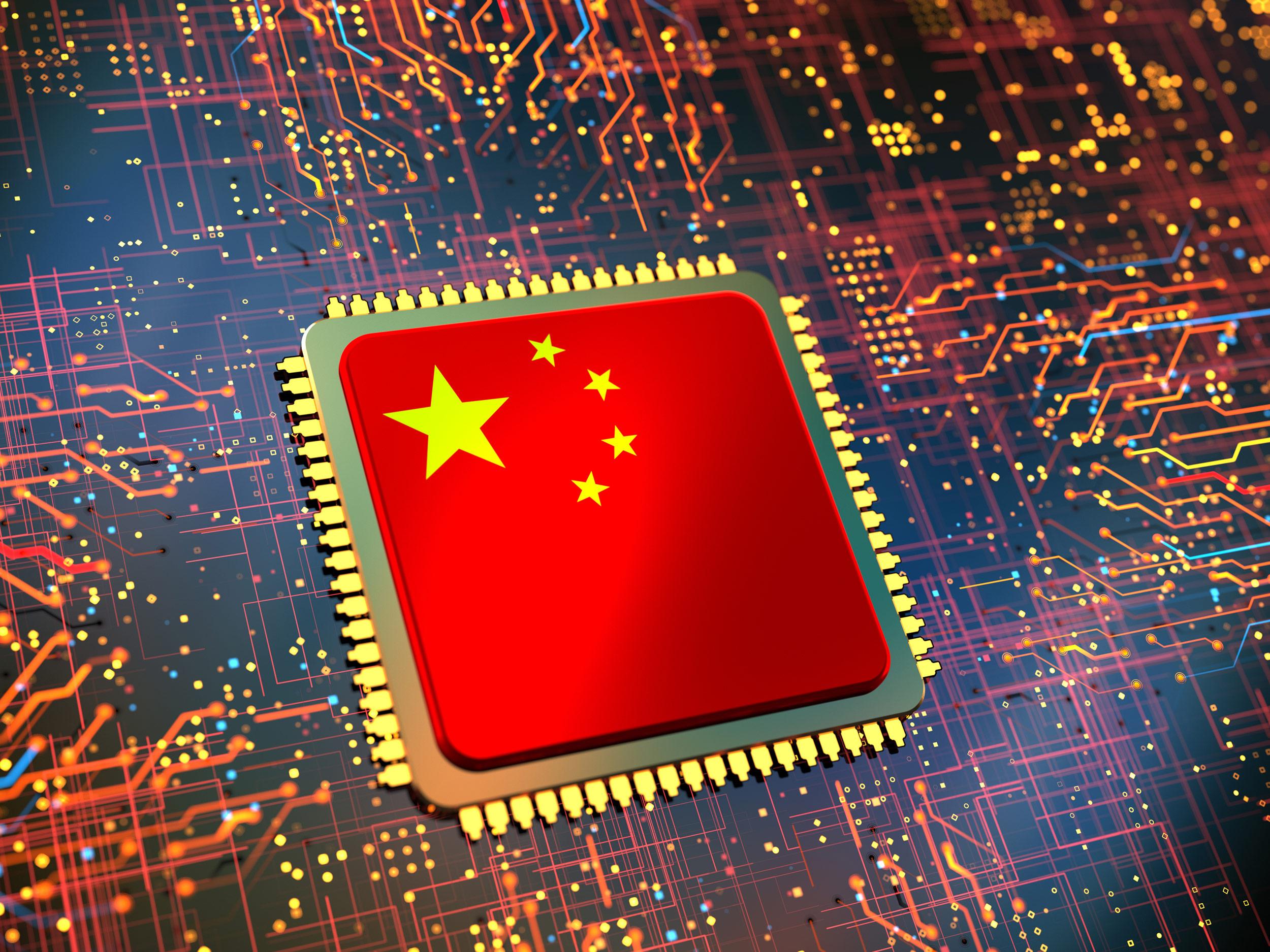

The United States has introduced a new measure that effectively takes a portion of the revenue generated from semiconductor chip sales to China. This development signals a shift in trade dynamics between two of the world’s largest economies and carries significant implications for the global technology market, international relations, and the semiconductor industry itself. Understanding the scope and potential consequences of this move requires a closer examination of its background, rationale, and expected effects.
Semiconductor chips, which are frequently referred to as the core of contemporary electronics, are essential to devices ranging from mobile phones and PCs to cars and military hardware. The escalating US-China tensions have put this critical industry in the spotlight due to its strategic significance and its pivotal role in shaping technological and economic supremacy. The latest move by the US to apply a financial restriction or tax on chip transactions with China highlights these larger issues and goals.
This levy can be seen as part of a broader effort by the US government to curb China’s rapid technological advancement, particularly in areas considered sensitive for national security and global competitiveness. By extracting a share from chip sales destined for China, the US aims to control the flow of critical technology and maintain leverage in trade negotiations and strategic positioning.
From an economic perspective, this measure introduces a new layer of complexity for companies involved in the semiconductor supply chain. US-based manufacturers and exporters now face additional costs or reduced profits when selling chips to Chinese buyers. This may encourage firms to reevaluate their market strategies, pricing models, and partnerships. Some companies might seek alternative markets or adjust their production priorities to mitigate the financial impact.
For China, the levy represents a challenge to its ambitions of technological self-reliance and continued growth in the semiconductor sector. The country has invested heavily in developing its domestic chip manufacturing capabilities and reducing dependency on foreign suppliers. However, the US action highlights the ongoing hurdles China faces in accessing advanced technologies and components. It could also accelerate efforts to innovate locally and diversify supply chains to circumvent restrictions.
Esta política también impacta el ecosistema mundial más amplio de semiconductores. La compleja red de diseño, fabricación y distribución abarca varios países, y las modificaciones en las políticas comerciales por parte de un jugador importante inevitablemente repercuten en todo el sistema. Los impuestos de EE. UU. pueden incitar ajustes en las cadenas de suministro, asociaciones y flujos de inversión, afectando la disponibilidad, costo y ritmo de desarrollo de las tecnologías de semiconductores a nivel mundial.
Politically, the tariff highlights the ongoing strategic competition between the US and China. Technology has emerged as a focal point in this battle, as both nations aim to assert control over fields like artificial intelligence, 5G networks, and future computing technologies. The chip levy is a means within this broader geopolitical framework, illustrating worries about intellectual property, national security, and economic power.
Critics of the US measure argue that it risks escalating trade tensions and may invite retaliatory actions from China, potentially leading to a tit-for-tat cycle of restrictions and tariffs. Such a scenario could disrupt global markets and create uncertainty for businesses and consumers alike. Others caution that overly restrictive policies might slow innovation by limiting collaboration and access to diverse markets.
Supporters, on the other hand, contend that the levy is necessary to protect critical technologies and maintain US leadership in key industries. They argue that controlling exports of sensitive components is vital to safeguarding national interests and preventing the transfer of advanced capabilities that could be used for military or strategic advantages by rival nations.
The impact of this development is already being felt in stock markets, industry forecasts, and diplomatic discussions. Semiconductor companies are closely monitoring regulatory updates and adjusting their operations accordingly. Governments and trade organizations are assessing the broader economic and political fallout, seeking ways to balance competitive interests with global cooperation.
Looking ahead, the US levy on chip sales to China may serve as a precedent for further measures aimed at controlling the export of high-tech goods. It could influence international trade rules, negotiations, and alliances, prompting countries to reconsider their positions in the complex web of global technology supply chains.
For companies, being informed and flexible is essential. Maneuvering through the ever-changing regulatory environment necessitates strategic foresight, managing risks, and comprehending global political shifts. Businesses operating in the semiconductor sector might need to seek out fresh collaborations, broaden supply sources, and innovate to uphold stability amidst fluctuating market dynamics.
In conclusion, the United States’ decision to take a cut from chip sales to China marks a significant moment in the intersection of technology, trade, and geopolitics. It reflects broader efforts to balance economic interests with national security concerns and highlights the challenges inherent in a globally interconnected industry facing mounting strategic competition.
Although the complete impact of this policy will become evident in the future, its implementation indicates a transition to stricter trade regulations in vital technology industries. Parties involved in government, business, and the international market must carefully handle these modifications, looking for cooperative possibilities whenever feasible while addressing the challenges linked with intensified competition and protectionist measures.
The situation underscores the growing recognition that semiconductors are not just commercial products but pivotal elements in shaping the future balance of power, innovation, and economic development worldwide. The US levy on chip sales to China is a clear indication of how technological competition is increasingly intertwined with broader geopolitical strategies, with profound implications for the years ahead.