
Volodymyr Zelenskyy, a former representation of Ukrainian tenacity and worldwide leadership during conflict, is currently facing a significant internal challenge that he has largely contributed to himself. With institutions fighting corruption now endangered, public protests occurring, and growing global anxiety, his capacity to recover depends on rebuilding trust in institutions, respecting democratic principles, and sustaining backing as Russia’s escalating war continues.
Since 2019, Zelenskyy’s path has been shaped by two separate political trajectories. Elected with pledges to eliminate corruption and overhaul the entrenched political elite, he encountered early setbacks as progress slowed. His approval ratings fell significantly during 2021 due to halted reforms and an ambiguous leadership course. Detractors contended he had promised more than he could achieve.
Then came the 2022 Russian invasion—a watershed moment during which Zelenskyy transformed into a wartime leader. His refusal to flee Kyiv, daily public addresses, and deft use of international media turned him into a global figure, rallying Western support and national unity. This period forged a new political consensus around him—a coalition forged in crisis, not routine politics.
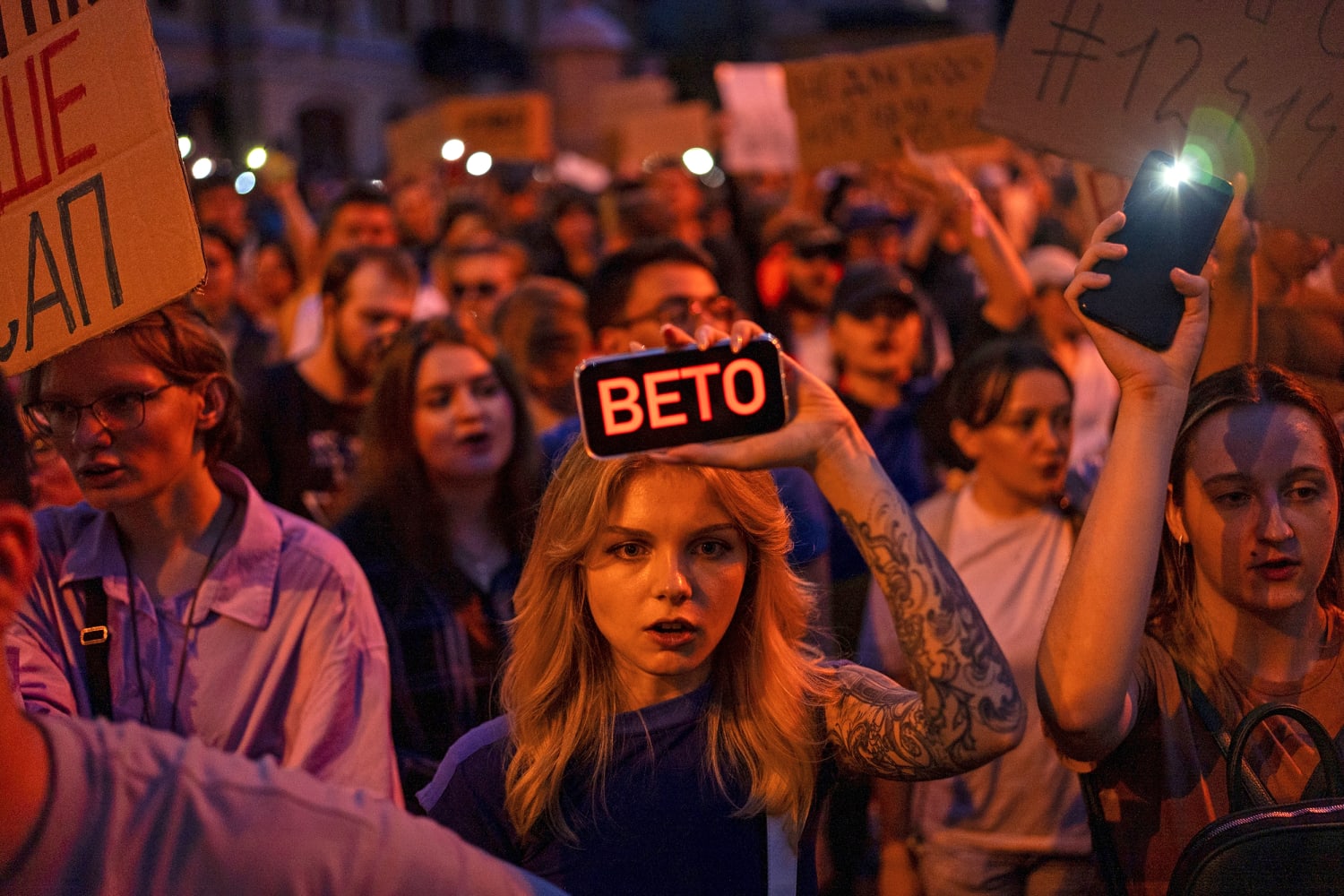
Yet as wartime unity solidified his position, structural weaknesses resurfaced beneath the veneer of solidarity. Recently, legislation placing Ukraine’s two main anti-corruption bodies under executive control triggered the largest domestic backlash since the war’s start. Tens of thousands protested nationwide, while EU officials, Western allies, and even Ukrainian service members voiced alarm.
Under pressure, Zelenskyy reversed course, unveiling new legislation to restore independence to these agencies. Still, his reputation lies wounded. Critics now question whether he veers toward authoritarianism—eroding democratic foundations he pledged to uphold.
First, restating the need for transparent governance. To restore trust, Zelenskyy should execute commitments to shield NABU and SAPO from any political meddling. Well-defined, actionable reforms supported by all parties involved—Europe’s bodies included—would not undo the error but would indicate a renewed sense of responsibility.
Second, engaging the public constructively. A return to consultative decision-making, visible legislative oversight, and public dialogue can begin mending trust. Protesters across Kyiv, Lviv, Odesa, and beyond represent a nationwide demand to safeguard progress since the Maidan revolution—a demand that cannot be ignored.
Third, balancing wartime urgency with democratic practice. In wartime, martial law and centralized authority may seem necessary, but extending those measures long-term strains legitimacy. Zelenskyy must clarify a timeline for restoring full democratic norms—especially elections—as military and security conditions evolve.
Fourth, achieving real improvements in governance. Scandals of corruption, economic difficulties, and administrative errors have undermined public trust. Zelenskyy needs to advance reforms—ranging from actions against oligarchs to enhancing public service efficiency—to show genuine progress beyond wartime symbolism.
Political experts propose that Zelenskyy might still have sufficient backing to withstand challenges, particularly when compared to opposition leaders who do not have his wartime prominence. Surveys show that he is more trusted than many competitors, although not by a wide margin. If elections were conducted at present, it is speculated that he might not fare well in a direct contest against figures such as the former commander-in-chief Valerii Zaluzhnyi.
Alternatively, stepping aside voluntarily after a single term could preserve his legacy as the leader who united the country during its darkest hours.
What dangers are there? If he pauses, postpones needed institutional changes, controls dissent, or indefinitely defers elections, he may risk losing support from both local civil groups and international partners. The potential for EU membership, assistance from the West, and Ukraine’s credibility depend on meeting democratic standards.
At the same time, surrendering authority too quickly or appearing fractured could destabilize wartime coordination. Striking the right balance between strong leadership and accountable rule is his most delicate challenge.
Can Zelenskyy engineer a comeback? The window remains narrow but open. Restoration of anti-corruption institutions, economic stabilization, and clarity of leadership intentions may allow him to re-center the narrative. In doing so, he must shift from ideological populism toward pragmatic diplomacy and reform.
As Ukraine faces an escalating assault by Russia, domestic weaknesses might turn into crucial vulnerabilities. Strong governance bolsters both internal stability and confidence abroad.
Whether Zelenskyy regains his stature depends on his readiness to rectify errors, allow institutional examination, and reinforce Ukraine’s democratic character. If he succeeds, he might be remembered as the leader during conflict who also respected democratic values. If unsuccessful, the past shortcomings will resurface—viewed as a continuation of Ukraine’s ongoing battle with sistema instead of a fresh start.
The next months will test whether Zelenskyy can transcend this crisis not just as a wartime leader, but as a statesman committed to democratic renewal in both war and peace.