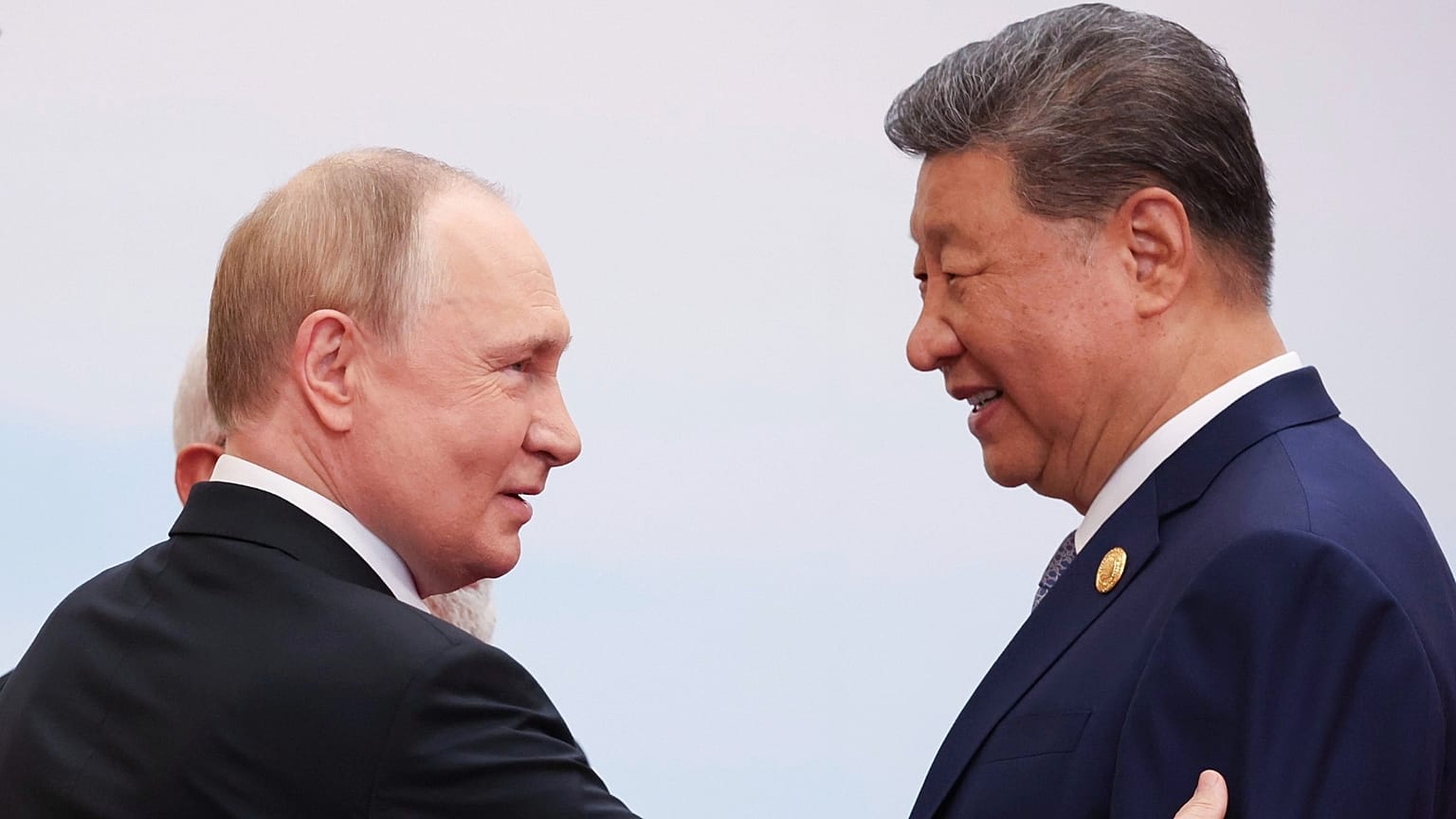

The developing alliance between China’s leader, Xi Jinping, and Russia’s leader, Vladimir Putin, has captured the international community’s focus. Their increasing accord indicates a desire to propose an alternative to the Western-dominated global system, with both heads stressing strategic collaboration amid rising geopolitical strains.
This relationship has developed against the backdrop of escalating friction with the United States and its allies. China’s rise as an economic and military powerhouse, coupled with Russia’s continued challenge to Western policies, has paved the way for deeper collaboration between the two nations. Their frequent public appearances and mutual support in key international forums underscore this shared vision for a multipolar world.
Observers have commented that the latest meetings between Xi and Putin have underscored a shared interest rather than just a symbolic partnership. Both countries aim to lessen reliance on financial systems controlled by the West, boost trade routes beyond conventional pathways, and increase their influence in areas such as Asia, Africa, and Latin America. These actions indicate a wish to counter what they view as excessive U.S. influence in world matters.
China’s diplomatic positioning has been especially assertive in recent years, projecting itself as a mediator and a proponent of stability while simultaneously increasing its military presence in key areas. The country’s Belt and Road Initiative continues to expand economic connectivity, offering infrastructure investments to developing nations. This strategy serves not only to boost trade but also to enhance China’s political influence across emerging markets, positioning it as a viable alternative to Western institutions.
Russia, for its part, remains intent on maintaining relevance despite facing extensive sanctions and political isolation from Western nations. By reinforcing ties with Beijing, Moscow gains an indispensable partner in trade and technology, helping to mitigate the economic consequences of Western restrictions. This interdependence has grown stronger since Russia’s involvement in the Ukraine conflict, which deepened the rift with Europe and the United States.
Both leaders have repeatedly emphasized respect for sovereignty and non-interference in internal affairs, a stance they contrast with what they describe as interventionist policies of Western powers. This narrative appeals to nations that feel marginalized or constrained by Western diplomatic pressure, making the China-Russia bloc a compelling option for countries seeking alternative partnerships.
Energy collaboration continues to be a fundamental aspect of their partnership. Russia has shifted a significant portion of its oil and gas exports to Asian countries, with China becoming one of the biggest purchasers. Pipelines and long-term agreements guarantee a constant supply, enabling Beijing to obtain vital resources for its swiftly expanding economy. This energy connection enhances their interdependence and solidifies the stability of their bond.
Military collaboration is another key dimension. Joint exercises and defense technology exchanges between the two nations have increased significantly, signaling an alignment not only in diplomatic rhetoric but also in strategic capability. While both leaders assert that this cooperation is defensive in nature, analysts suggest it serves as a warning to the West that the global balance of power is shifting.
The significance of Xi and Putin appearing side by side at international gatherings is immense. Their alliance indicates that the time of unquestioned Western leadership could be waning. By aligning their stances on topics like global management, commerce regulations, and resolving disputes, they strive to influence organizations and standards to mirror their own interests and principles.
Although the relationship is becoming more intimate, obstacles still exist. China remains wary of involvement in disputes that may negatively impact its international trade goals, whereas Russia aims to prevent becoming subordinate in this partnership. The economic power imbalance—where China is significantly more powerful than Russia—necessitates attentive handling to sustain shared benefits while preserving autonomy.
Western governments view this alignment with concern, interpreting it as a direct challenge to the liberal international order. Sanctions, diplomatic isolation, and military support for allies are some of the measures being employed to counterbalance this emerging axis. However, the resilience of Xi and Putin’s cooperation suggests that this partnership is not a temporary arrangement but a long-term strategy.
The implications of this alliance extend beyond bilateral relations. For countries in Africa, the Middle East, and Latin America, it offers an opportunity to diversify alliances and access alternative sources of investment and security cooperation. As a result, the influence of Western powers in these regions may face gradual erosion, leading to a more fragmented global landscape.
Global organizations and multilateral forums are also likely to experience the effects of this partnership. Both China and Russia have signaled their intention to advocate for reforms in institutions such as the United Nations, the World Bank, and the International Monetary Fund. By pushing for changes that reflect a multipolar reality, they aim to weaken Western leverage in shaping international norms and economic systems.
Economically, China’s role as a global manufacturing hub and its technological advancements in areas such as artificial intelligence, telecommunications, and green energy provide it with significant leverage. Russia contributes resources and military expertise, creating a complementary dynamic that supports their shared ambitions. Together, they seek to craft an ecosystem that is less vulnerable to Western sanctions and economic pressures.
Public perception in both countries reinforces this trajectory. State media in China and Russia frequently emphasize the strength of their partnership and frame it as a force for fairness and stability in global politics. This narrative resonates domestically, bolstering the legitimacy of both governments as defenders of sovereignty and independence in a world they portray as dominated by Western interests.
As the world observes the tightening bond between Xi and Putin, questions arise about the future of international relations. Will this alliance usher in a new era of geopolitical competition, or can it coexist with Western powers in a balanced framework? The answer will shape the course of diplomacy, trade, and security for decades to come.
One thing is certain: the bond between China and Russia has developed from practical collaboration into a strategic alliance with worldwide effects. As they both continue to portray themselves as advocates of a multipolar world, their joint impact is poised to transform the global framework, questioning beliefs about leadership dynamics in the 21st century.