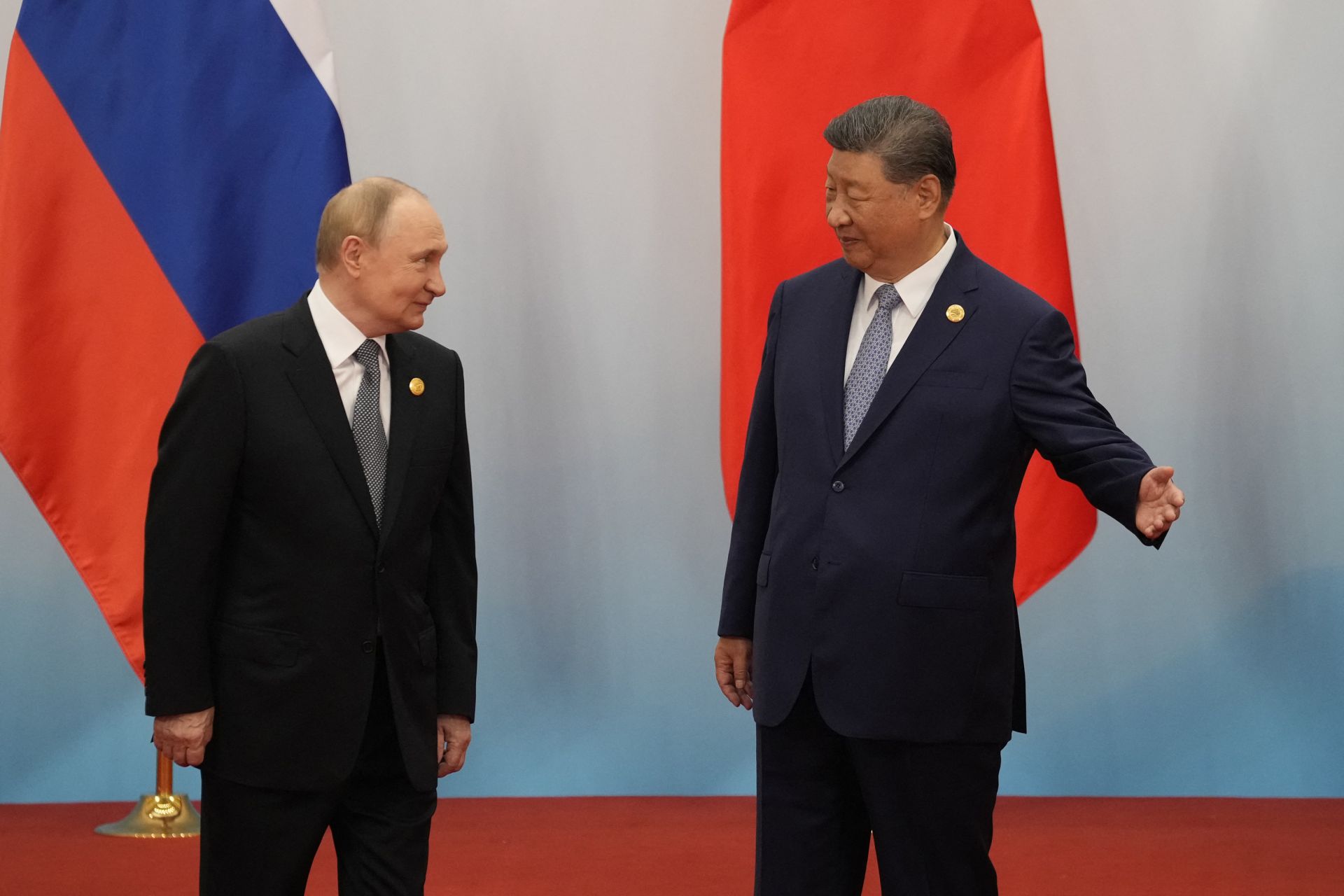

The evolving partnership between Chinese President Xi Jinping and Russian President Vladimir Putin has drawn the attention of the international community. Their growing alignment signals an ambition to present an alternative to the Western-led global order, with both leaders emphasizing strategic cooperation at a time of heightened geopolitical tensions.
This alliance has emerged in the context of increasing tension with the United States and its partners. China’s emergence as a dominant economic and military force, along with Russia’s ongoing opposition to Western strategies, has facilitated more extensive cooperation between these two countries. Their regular joint appearances and reciprocal backing in important global platforms highlight this mutual ambition for a multipolar world.
Observers have commented that the latest meetings between Xi and Putin have underscored a shared interest rather than just a symbolic partnership. Both countries aim to lessen reliance on financial systems controlled by the West, boost trade routes beyond conventional pathways, and increase their influence in areas such as Asia, Africa, and Latin America. These actions indicate a wish to counter what they view as excessive U.S. influence in world matters.
China’s diplomatic stance has become particularly strong in recent times, presenting itself as an intermediary and advocate for stability, while also bolstering its military presence in significant regions. The nation’s Belt and Road Initiative is steadily growing its economic connections, providing infrastructure investments to developing countries. This approach not only fosters trade but also increases China’s political sway in emerging markets, making it a competitive option to Western institutions.
Russia, for its part, remains intent on maintaining relevance despite facing extensive sanctions and political isolation from Western nations. By reinforcing ties with Beijing, Moscow gains an indispensable partner in trade and technology, helping to mitigate the economic consequences of Western restrictions. This interdependence has grown stronger since Russia’s involvement in the Ukraine conflict, which deepened the rift with Europe and the United States.
Both leaders have repeatedly emphasized respect for sovereignty and non-interference in internal affairs, a stance they contrast with what they describe as interventionist policies of Western powers. This narrative appeals to nations that feel marginalized or constrained by Western diplomatic pressure, making the China-Russia bloc a compelling option for countries seeking alternative partnerships.
Energy collaboration continues to be a fundamental aspect of their partnership. Russia has shifted a significant portion of its oil and gas exports to Asian countries, with China becoming one of the biggest purchasers. Pipelines and long-term agreements guarantee a constant supply, enabling Beijing to obtain vital resources for its swiftly expanding economy. This energy connection enhances their interdependence and solidifies the stability of their bond.
Military cooperation represents another essential aspect. Combined drills and the exchange of defense technologies between the two countries have risen notably, indicating not just a diplomatic alignment but also a strategic enhancement. Although both leaders claim this partnership is primarily defensive, experts argue it sends a message to the Western nations that the international power dynamic is changing.
The significance of Xi and Putin appearing side by side at international gatherings is immense. Their alliance indicates that the time of unquestioned Western leadership could be waning. By aligning their stances on topics like global management, commerce regulations, and resolving disputes, they strive to influence organizations and standards to mirror their own interests and principles.
Although the relationship is becoming more intimate, obstacles still exist. China remains wary of involvement in disputes that may negatively impact its international trade goals, whereas Russia aims to prevent becoming subordinate in this partnership. The economic power imbalance—where China is significantly more powerful than Russia—necessitates attentive handling to sustain shared benefits while preserving autonomy.
Western governments view this alignment with concern, interpreting it as a direct challenge to the liberal international order. Sanctions, diplomatic isolation, and military support for allies are some of the measures being employed to counterbalance this emerging axis. However, the resilience of Xi and Putin’s cooperation suggests that this partnership is not a temporary arrangement but a long-term strategy.
The implications of this alliance extend beyond bilateral relations. For countries in Africa, the Middle East, and Latin America, it offers an opportunity to diversify alliances and access alternative sources of investment and security cooperation. As a result, the influence of Western powers in these regions may face gradual erosion, leading to a more fragmented global landscape.
International entities and multinational forums may also feel the impact of this collaboration. China and Russia have both indicated their desire to push for changes in organizations like the United Nations, the World Bank, and the International Monetary Fund. By promoting adjustments that represent a multipolar world, they seek to reduce Western dominance in establishing global norms and economic frameworks.
Economically, China’s role as a global manufacturing hub and its technological advancements in areas such as artificial intelligence, telecommunications, and green energy provide it with significant leverage. Russia contributes resources and military expertise, creating a complementary dynamic that supports their shared ambitions. Together, they seek to craft an ecosystem that is less vulnerable to Western sanctions and economic pressures.
The way people view this situation in each nation supports this path. State-controlled outlets in China and Russia often highlight the solidity of their alliance, presenting it as a stabilizing and equitable influence in international relations. This storyline finds a receptive audience at home, enhancing the authority of both governments as protectors of autonomy and liberty in a world they describe as ruled by Western agendas.
As global attention focuses on the growing relationship between Xi and Putin, inquiries emerge regarding the future of global relations. Will this partnership initiate a new period of geopolitical rivalry, or can it harmoniously coexist with Western nations within a balanced structure? The outcome will influence diplomacy, commerce, and security for the coming decades.
One certainty remains: the relationship between China and Russia has evolved from pragmatic cooperation to a strategic partnership with global implications. As they continue to present themselves as champions of a multipolar order, their combined influence is set to reshape the international system, challenging assumptions about who leads and who follows in the 21st century.