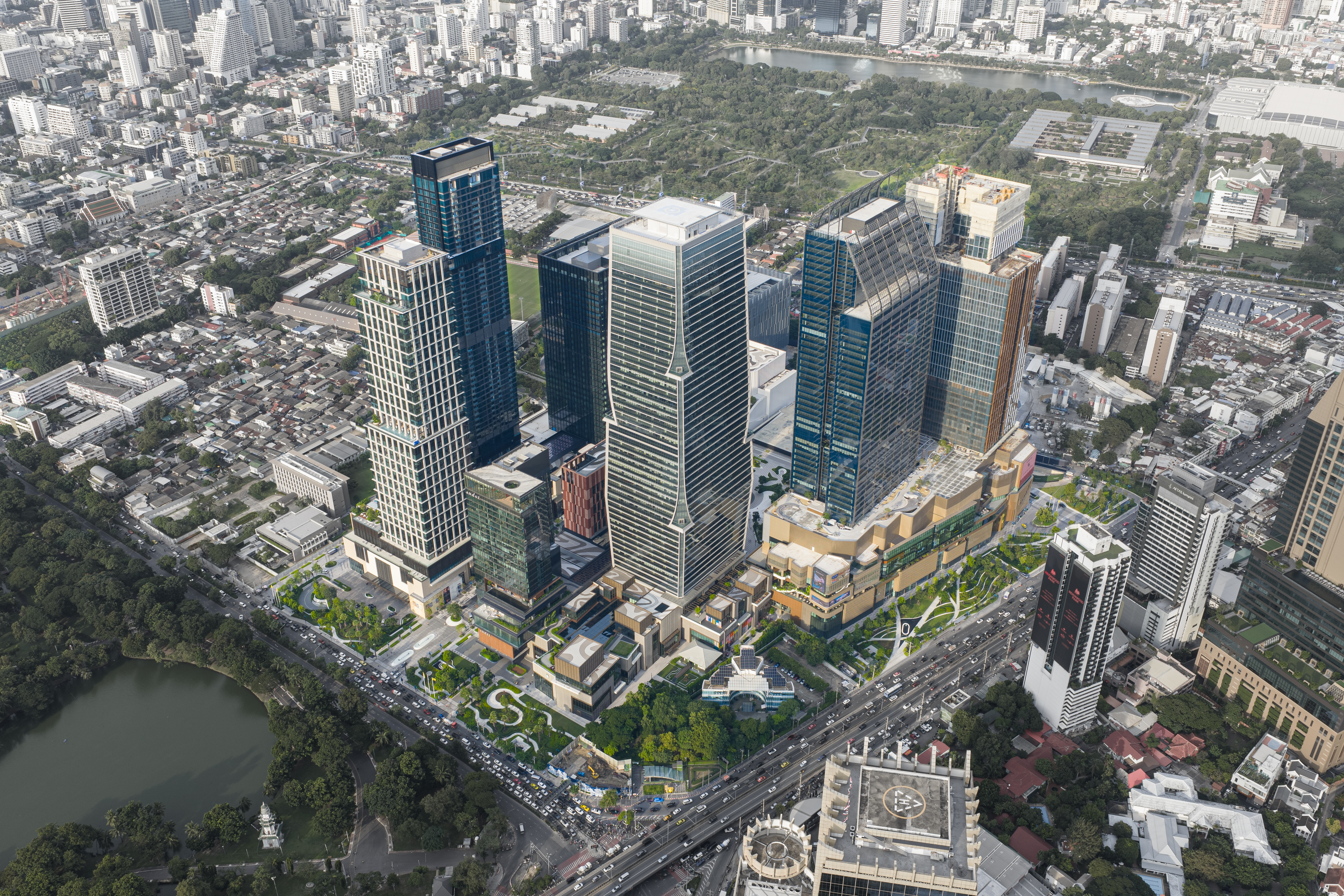

The United States has intensified efforts to advance smart city initiatives as a core driver of sustainable urban progress and corporate growth, with these programs combining digital tools, data intelligence, and resilient infrastructure to enhance municipal performance, environmental outcomes, and economic strength as federal, state, and local authorities synchronize innovation agendas to address population pressures, climate-related challenges, and aging systems while pursuing long-term sustainability goals.
Smart city development in the United States goes beyond the simple uptake of new technologies; it represents a broad strategy that links economic growth, environmental stewardship, and social inclusion. Public-private partnerships, federal funding programs, and policy incentives propel this evolution while motivating corporate involvement in infrastructure upgrades.
National Leadership and Regulatory Frameworks
Federal agencies remain essential in advancing the growth of smart cities, with the U.S. Department of Transportation, the Department of Energy, and the Environmental Protection Agency driving various initiatives that foster urban innovation through financial support, research efforts, and specialized technical guidance.
Among the standout programs are:
- Smart City Challenge: Introduced by the Department of Transportation, this program granted support to Columbus, Ohio, enabling the rollout of advanced transportation technologies that blend electric vehicles, data-driven platforms, and interconnected infrastructure.
- Infrastructure Investment and Jobs Act: Directs substantial federal resources toward expanding broadband access, upgrading the power grid, and advancing sustainable transportation networks.
- Energy Efficiency and Conservation Block Grants: Assist local governments as they carry out renewable energy projects and implement broader efficiency improvements.
These programs create a favorable environment for corporations specializing in digital infrastructure, renewable energy, artificial intelligence, and mobility services.
Technology Serving as the Cornerstone of Urban Change
Smart city ecosystems depend on interconnected technologies that optimize urban operations. Core components include:
- Internet of Things sensors employed to monitor traffic flow, waste levels, and air quality in real time.
- Advanced data analytics platforms designed to interpret municipal information and support predictive planning and maintenance.
- Smart grids built to incorporate renewable power sources while enhancing overall system stability.
- Autonomous and electric transportation systems implemented to cut emissions and ease congestion.
For example, Los Angeles has implemented a citywide smart street lighting system that reduces energy consumption by approximately 63 percent while providing data connectivity for public safety and traffic management. Similarly, New York City’s LinkNYC kiosks replace outdated payphones with Wi-Fi hubs, generating advertising revenue while improving digital access.
Business Expansion and Wider Economic Development
The smart city movement stimulates corporate expansion across multiple sectors, including telecommunications, construction, cybersecurity, clean energy, and mobility services. Technology giants and emerging startups alike view urban innovation as a multi-trillion-dollar global market.
Companies such as Cisco, IBM, Microsoft, and Google partner with municipalities to deploy cloud platforms, cybersecurity systems, and digital twins. Construction and engineering firms integrate sustainable building technologies, while utility companies modernize grids to support distributed energy resources.
Smart city initiatives also foster local entrepreneurship. Innovation districts in cities like Austin and Boston create clusters where startups collaborate with universities and government agencies. These ecosystems attract venture capital investment and generate high-skilled employment opportunities.
Sustainability and Climate Resilience
Environmental sustainability is central to U.S. smart city policy. Urban areas account for approximately 70 percent of national greenhouse gas emissions, making decarbonization a priority.
Essential sustainability initiatives encompass:
- Electrification of public transit fleets, a trend increasingly adopted in cities like Seattle and Chicago.
- Green building standards encouraging the creation of highly energy‑efficient structures.
- Water management technologies designed to identify leaks and streamline overall usage.
- Climate resilience planning informed by predictive models that anticipate flooding and wildfire hazards.
San Diego’s Climate Action Plan links smart grid upgrades with rooftop solar incentives to move toward sourcing all electricity from renewables, while Miami uses sensor networks to track rising sea levels and strengthen its flood management efforts.
Data Governance and Cybersecurity
As urban systems become more interconnected, data governance and cybersecurity emerge as critical concerns. The United States emphasizes transparent data policies, privacy protections, and secure network architectures.
Cities roll out open data portals to spark civic innovation while still complying with federal cybersecurity requirements, and public‑private collaboration helps keep digital infrastructure resilient in the face of cyber threats, while investments in encryption, zero‑trust frameworks, and specialized workforce training further reinforce urban digital protections.
Social Equity and Digital Inclusion
A sustainable smart city should confront social inequalities, ensuring that broadband connectivity, reasonably priced housing, and fair mobility services collectively support inclusive urban development.
The federal Affordable Connectivity Program has broadened broadband availability for countless low-income households, while smart transit systems are enhancing access across underserved communities and data-guided housing strategies are promoting fair zoning and more balanced distribution of resources.
By aligning digital infrastructure with community development, cities aim to reduce the digital divide and foster inclusive economic participation.
Obstacles and Key Strategic Insights
Despite progress, smart city implementation faces obstacles:
- High upfront infrastructure costs.
- Interoperability challenges among legacy systems.
- Public concerns about surveillance and privacy.
- Coordination complexities across multiple jurisdictions.
Addressing these challenges calls for unified frameworks, broad collaboration across sectors, and sustained financial commitments, while cities that thrive often focus on pilots that can expand, clear performance indicators, and active involvement from stakeholders.
The Wider Economic and Urban Influence
Smart city initiatives across the United States reflect a blending of sustainability, advanced technology, and long‑term corporate planning, and as these efforts merge digital innovation with climate resilience and fair economic development, American cities increasingly establish themselves as worldwide centers for talent and investment.
This transformation extends beyond infrastructure upgrades; it reshapes how urban economies function, how corporations expand into new service models, and how communities experience daily life. The evolving partnership between government leadership and private sector ingenuity signals a future in which urban sustainability and corporate expansion reinforce one another, redefining competitiveness in a rapidly urbanizing world.