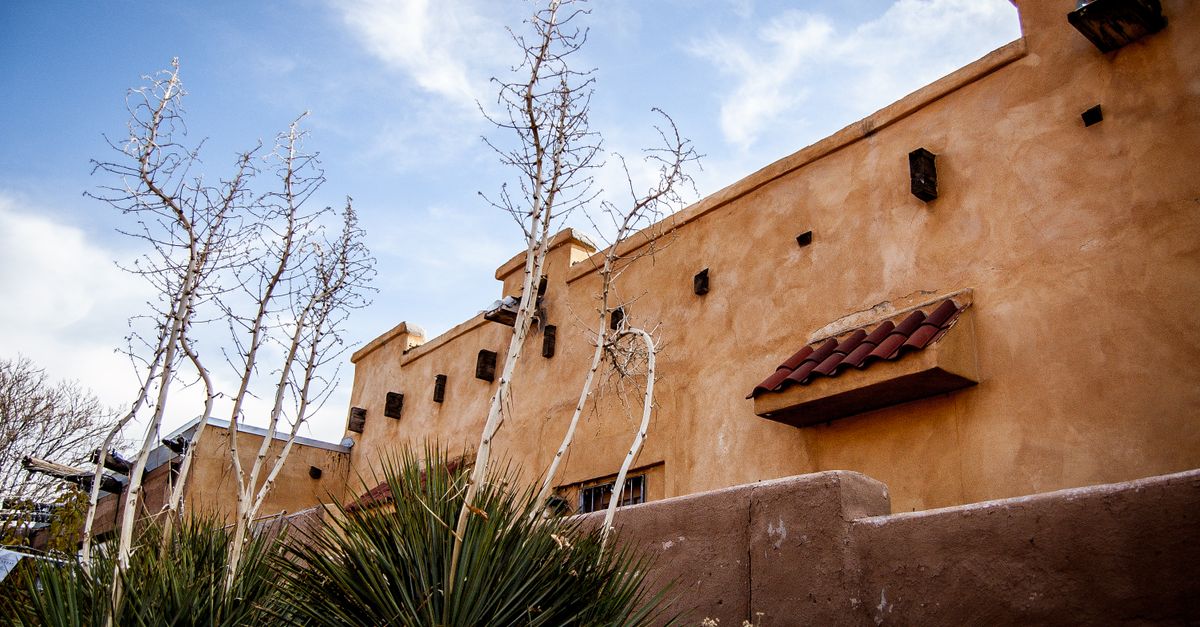

Santa Fe, New Mexico, stands as a vivid intersection of artistic expression, layered histories, and a unique regional character shaped by the high desert, indigenous heritage, colonial influences, and modern cultural currents. Everyday life in the city revolves around museums, local markets, public ceremonies, architectural traditions, and economic rhythms that turn art and history into active elements guiding work, domestic life, cuisine, and civic discussion.
Historical foundations that shape everyday life
Santa Fe was established as a capital during early colonial settlement and served as a key node on overland trade routes. That long timeline—indigenous occupation, Spanish colonial governance, Mexican rule, and incorporation into the United States—remains visible in government institutions, street patterns, place names, and public ceremonies. Historic plazas and state buildings anchor civic life and provide venues for markets, festivals, and protests. The Santa Fe Trail and the city’s role as a regional seat of government continue to influence infrastructure, tourism, and identity.
Art as a foundational and financial cornerstone
Art is both an economic engine and a social lingua franca in Santa Fe.
- Galleries and museums: Canyon Road, along with many galleries, showcases visual arts, while institutions such as the museum honoring a major American artist and museums focused on regional and global folk art attract visitors throughout the year and help sustain artists’ professional pathways.
- Contemporary initiatives: Experimental venues and artist collectives have turned Santa Fe into a hub for immersive installations, digital experimentation, and site-responsive public pieces, connecting local creators with audiences across the nation and abroad.
- Markets and annual events: The leading Indian art market each year brings in collectors, curators, and media coverage, facilitating direct purchases for indigenous artists and strengthening both craft-based and contemporary art sectors.
- Creative workforce: A substantial share of regional jobs and small business activity relies on the arts, cultural tourism, and creative services, sustaining galleries, studios, educational initiatives, and hospitality-related operations.
Architecture and urban form as cultural text
The prevalent low-rise adobe and regional revival styles are not just aesthetic choices; they are enforced and encouraged by local codes and preservation policies that aim to maintain a cohesive cityscape. This architectural language:
- Shapes daily visual experience—earth-toned masonry, flat roofs, wooden beams, and recessed windows define residential and commercial districts.
- Supports a pedestrian-oriented downtown with a historic central plaza used for markets, ceremonies, and civic gatherings.
- Creates regulatory frameworks that balance preservation, tourism, and community needs, influencing housing supply, development cost, and neighborhood character.
Indigenous and Hispanic continuity in place and practice
Indigenous communities and descendants of early colonial settlers are central to Santa Fe’s identity. Their influence appears in material culture, public ritual, and economic life.
- Traditional arts: Ceramics, weaving, jewelry, and textile work by indigenous artists are both heritage practices and contemporary livelihoods; signature techniques and artists have global recognition and historic provenance.
- Institutions and education: An institute focused on indigenous arts and programs in traditional craft provide education, professional pathways, and intergenerational transmission of technique.
- Culinary identity: Regional cuisine, including distinctive regional peppers, farming practices, and foodways, connects daily eating habits to place-based history and agricultural patterns.
Public culture: celebrations, ceremonies, and marketplaces
Public events serve as civic rituals that punctuate the calendar while fostering both social interaction and economic activity.
- Major yearly art fairs consolidate opportunities for artists to sell their work while drawing a pronounced influx of visitors and news attention.
- Seasonal performing arts programs, featuring a renowned outdoor opera alongside a chamber music lineup, define the summer cultural scene and draw audiences from around the world.
- Neighborhood street festivals, artisan markets, and open-studio weekends bring artwork directly to locals and travelers, narrowing the gap between creation and purchase.
Case studies that demonstrate the interaction
- Major artist museum: A museum dedicated to a seminal American modernist attracts scholars and travelers, serves as a hub for research on landscape‑influenced art, and delivers educational programs linking local students with the broader arc of national art history.
- Immersive art collective: A homegrown collective that evolved into a sought‑after venue illustrates how experimental creativity can stimulate economic growth, boost visitor numbers, and spark public debate about cultural stewardship and notions of authenticity.
- Indian art market: The yearly market operates as a central sales forum for indigenous artists, generating direct revenue, shaping reputation, and prompting ongoing discussions surrounding cultural property, authenticity, and the pressures of commercialization.
Economic and demographic context
Santa Fe’s economy depends heavily on government employment, arts and cultural tourism, hospitality, and small business. The city attracts retirees, second-home buyers, and remote workers, which drives demand for housing and services. This dynamic supports local businesses but also raises concerns about rising costs, displacement, and the sustainability of long-term artistic communities. Tour flows exceed one million annual visitors, fueling restaurants, lodging, and galleries while intensifying seasonal pressures on infrastructure.
Landscape and climate as identity markers
Positioned at roughly 7,200 feet elevation, the high desert and nearby mountain ranges give Santa Fe a climate, light quality, and ecology that have inspired painters, writers, and musicians. Water scarcity, elevation-driven weather, and a strong sense of place rooted in visible landforms inform urban design, agricultural choices, outdoor recreation, and artistic themes. Conservation efforts and planning debates frequently reference landscape preservation as central to cultural survival.
Contemporary tensions and civic debates
The dynamic relationship among art, history, and identity gives rise to civic inquiries:
- How to balance heritage preservation with affordable housing and workforce needs.
- How to ensure that markets and tourism benefit resident artists and indigenous creators rather than commodify traditions.
- How development and regulatory policy can protect the visual and cultural character while allowing for equitable economic opportunities.
Such tensions emerge in zoning debates, the governance of markets during major events, museum acquisition and lending practices, and discussions about public art commissions.
Everyday manifestations
Residents encounter the city’s character in everyday routines such as browsing artisan stalls, going to gallery openings, enjoying dishes crafted from regional farm products, moving through its low-rise historic core, and joining public ceremonies. Schools and community centers offer arts instruction grounded in local traditions. Local media and civic forums continually explore and renegotiate ideas of authenticity, stewardship, and representation.
Santa Fe functions as a cultural ecosystem where art, historical layers, and environmental context continually inform one another: architecture and preservation law preserve a visual narrative; markets, institutions, and festivals circulate both revenue and cultural capital; indigenous and long-standing Hispanic presences ground identity in living practices; and contemporary creative enterprises revitalize economies and complicate questions of access. Together, these forces produce a city where everyday life is both shaped by and contributes to an ongoing conversation about what it means to belong to a place with a deep past and an active cultural present.