
Seventeen American passengers who were aboard the cruise ship affected by a hantavirus outbreak have returned to the United States after an international medical evacuation operation. They arrived in Nebraska under strict health protocols and are now being closely monitored at specialized treatment centers. Authorities emphasize that the general risk to the public remains low.
The group landed in the early hours of Monday at Omaha Eppley Airfield in Nebraska after traveling on a U.S. State Department-organized medical flight. Upon arrival, passengers were transferred directly to designated medical facilities for evaluation, observation, and continued care. Health officials have confirmed that all individuals are being managed according to their clinical condition, with additional testing and monitoring scheduled in the coming days.
The operation follows several days of coordinated international response efforts after cases of hantavirus were identified among passengers aboard the cruise ship Hondius. The vessel, which had been on a long expedition through remote regions, became the center of a multinational health response after multiple passengers developed symptoms consistent with the rare virus.
Entry into the United States followed by prompt medical attention
The evacuation flight carrying American passengers touched down in Nebraska shortly after 2:30 a.m. Eastern Time. Emergency medical teams were already in place to receive the group, ensuring that each individual was transported safely to designated treatment facilities without delay.
Of the returning passengers, most were taken to the University of Nebraska Medical Center in Omaha, a facility known for managing high-consequence infectious diseases. Two individuals were transferred to Emory University in Atlanta as part of contingency planning to distribute patient care across specialized centers.
Medical officials noted that the patients span ages from the late 20s through their 70s and 80s, and although most remain stable, their conditions differ enough to demand tailored monitoring approaches. One passenger is being cared for inside a biocontainment unit, while the rest stay in designated quarantine areas intended for observation and basic medical support.
Authorities noted that these steps are precautionary in nature and align with long-standing procedures for managing uncommon infectious disease exposures.
Official risk analysis and public health evaluation
Public health officials in the United States have consistently emphasized that the risk of hantavirus spreading within the general population is exceedingly low, noting that the particular strain involved, the Andes variant, is not readily transmitted from person to person.
Medical experts clarified that transmission typically requires prolonged and close contact with an individual who is already symptomatic. Even in such conditions, spread is considered uncommon compared to other infectious diseases.
During a public briefing, senior health officials emphasized that although the matter is being handled with utmost seriousness, there is currently no sign of broader danger beyond the exposed group, and monitoring remains centered on swiftly identifying and containing any issues among those who traveled together on the cruise.
Authorities also emphasized that the appearance of symptoms does not necessarily verify an infection, since some people might develop unrelated ailments or stress-induced issues during prolonged quarantine.
Inconsistent testing outcomes and global coordination efforts
The response to the outbreak has required coordinated efforts among several countries, including the United States, Spain, France, and Cape Verde, where the cruise conducted its initial evaluations during the voyage.
Spanish health authorities reported that testing conducted on one American passenger produced mixed interpretations. One laboratory indicated a weak positive result, while another test returned a negative outcome. Officials in Spain described the findings as inconclusive, while U.S. authorities opted to proceed cautiously, treating the case as potentially positive until further confirmation is available.
This discrepancy has prompted additional laboratory analysis to clarify the passenger’s diagnostic status. Health officials have emphasized that such variations are not uncommon in early or low-level viral detection scenarios, particularly when symptoms are mild or absent.
French authorities, meanwhile, reported that another repatriated passenger in France was confirmed positive and saw their condition deteriorate following hospitalization. This situation has further underscored how essential it remains for all nations engaged in the evacuation effort to maintain strict vigilance.
Conditions aboard the Hondius cruise ship
The outbreak originated aboard the cruise vessel Hondius, which was conducting an extended expedition involving remote coastal and wildlife regions. The ship departed from Argentina in early April with nearly 150 passengers and crew members on board.
Several days after the voyage began, one passenger passed away at sea, and further deaths occurred among individuals who were later taken off the vessel as their health declined. Overall, authorities reported multiple suspected and confirmed hantavirus cases among passengers, along with at least three fatalities attributed to the outbreak.
The vessel eventually docked in Tenerife in the Canary Islands, where emergency disembarkation procedures began. Medical teams conducted screenings and isolated individuals showing symptoms while coordinating repatriation flights for passengers returning to their home countries.
Officials confirmed that widespread onboard PCR testing was not conducted at the earliest stages of the voyage. Instead, targeted testing was performed later in the journey on individuals identified as higher-risk contacts or those displaying symptoms.
Quarantine measures and specialized treatment centers
In the United States, the majority of returning passengers receive care at the University of Nebraska Medical Center, a facility widely noted for its advanced biocontainment expertise. It features quarantine zones for those in stable condition as well as more secure containment sections for patients who require clinical treatment.
Health administrators described the quarantine environment as highly controlled but comfortable, designed to allow patients to rest while remaining under continuous observation. The biocontainment unit, in contrast, is equipped for more intensive clinical care and is reserved for patients who may require additional medical support.
Officials noted that patients will remain under observation for several days before further decisions are made regarding their recovery and potential discharge. However, even after leaving medical facilities, individuals may still be required to complete extended home monitoring periods lasting several weeks.
This strategy aims to identify any late‑developing symptoms as early as possible while limiting disruption to patients’ daily routines whenever it can be done safely.
Expanded global initiatives for repatriation
Efforts to address the outbreak have reached far beyond the United States, as multiple nations implement coordinated evacuations and launch monitoring initiatives.
Passengers from Spain, France, the United Kingdom, Canada, Australia, and other nations have been transported home via specialized flights. In several cases, individuals without symptoms have been placed under precautionary isolation orders, typically lasting several weeks.
Some passengers remain aboard the cruise ship as authorities continue phased disembarkation procedures. Others are being transported directly to airports for immediate return to their home countries, while select groups have been assigned to hospital-based quarantine depending on risk assessments.
The United Kingdom reported that several individuals are being monitored in hospital settings for observation before transitioning to home isolation. Swiss and other European health agencies have also confirmed isolated cases under precautionary care.
Scientific investigation and source tracking
Global health organizations, including international disease control agencies, are conducting active investigations into how the outbreak began, and preliminary analyses indicate that the exposure might be associated with a land-based excursion in South America that occurred before the cruise portion of the trip.
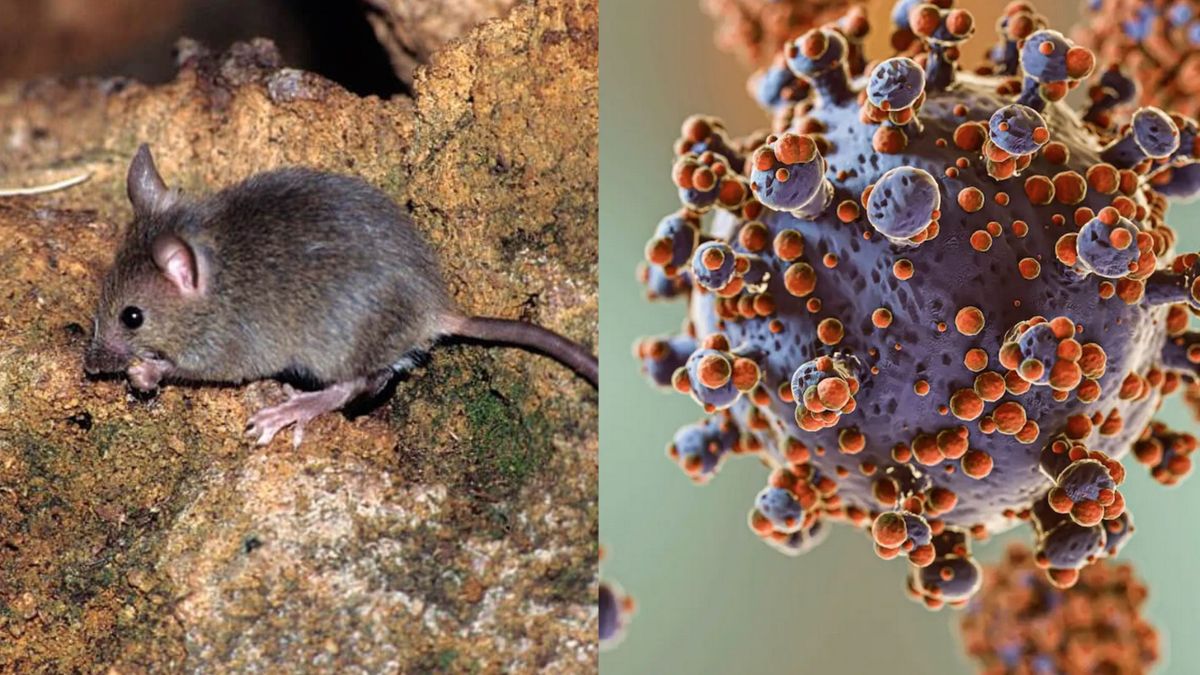
Hantavirus is commonly linked to rodent populations, and people are usually exposed by interacting with contaminated surroundings instead of through direct transmission between humans; this trait has largely shaped the prevailing approach to containment.
Researchers are reviewing passenger mobility logs, excursion details, and possible exposure locations to clarify when and how transmission might have taken place, and the inquiry continues as laboratory findings and epidemiological evidence are further assessed.
Passenger insights and onboard narratives
Several passengers have recounted their quarantine and evacuation experience, noting that although the procedures took considerable time, they were handled with deliberate care. People mentioned that medical teams kept them informed at frequent intervals and ensured they had essential amenities throughout the monitoring period.
Crew members aboard the cruise have also expressed appreciation for the cooperation and resilience demonstrated during the emergency response. Captains and staff have highlighted the challenges of managing a medical situation at sea, particularly in remote regions with limited immediate external support.
Despite the difficulties, many passengers have acknowledged the coordinated efforts that enabled their safe return and ongoing care.
Continued monitoring and long-term outlook
Health officials in the United States and abroad have stressed that monitoring will continue for several weeks following exposure. In many cases, individuals may remain under observation for up to 42 days, depending on exposure risk and clinical evaluation.
Authorities are working to balance public health safety with minimizing disruption to those affected. This includes allowing home isolation in appropriate cases where individuals have adequate support systems and no symptoms.
Experts continue to reiterate that while the situation is serious for those directly exposed, there is no evidence of widespread community transmission risk. The focus remains on containment, patient care, and international cooperation.
Coordinated response under evolving conditions
The return of American passengers represents a pivotal phase in the continuing response to the hantavirus outbreak associated with the cruise ship Hondius, as coordinated international efforts have ensured their secure repatriation and placement under expert medical oversight.
As inquiries advance into how the virus emerged and circulated, health authorities stay concentrated on surveillance, medical response, and efforts to curb additional cases, highlighting the crucial role of swift international cooperation in handling uncommon yet high-impact infectious disease incidents, especially those arising within complex travel settings.