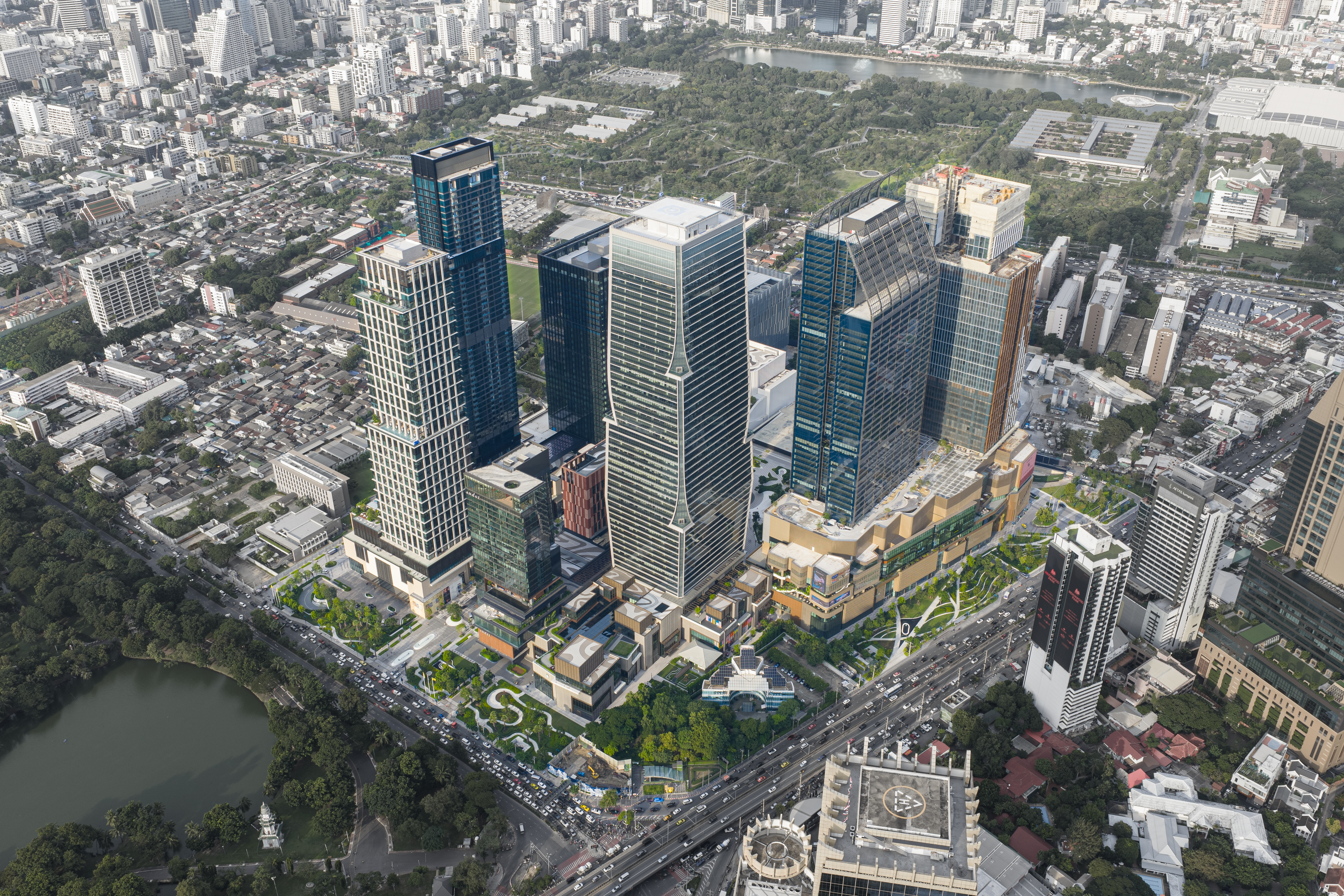
Phoenix is rapidly positioning itself as one of the most dynamic industrial hubs in the United States. Through strategic technology investment and comprehensive logistics modernization initiatives, the city is reinforcing its competitive edge in advanced manufacturing, semiconductor production, aerospace, and distribution. These efforts are not only attracting global corporations but also strengthening regional supply chains, workforce development, and long-term economic resilience.
Strategic Technology Investments Fuel Industrial Expansion
A cornerstone of Phoenix’s industrial growth strategy is large-scale investment in advanced technology infrastructure. The city has prioritized semiconductor manufacturing, artificial intelligence applications, automation, and clean energy technologies. Major semiconductor manufacturers have committed tens of billions of dollars to new fabrication plants in the region, creating thousands of high-skilled jobs and stimulating a network of suppliers.
These technology investments create ripple effects across multiple industries. For instance:
- Semiconductor fabrication plants drive demand for precision equipment suppliers, specialty chemical producers, and engineering services.
- Automation and robotics integration enhance productivity in warehousing and advanced manufacturing facilities.
- Clean energy initiatives reduce operational costs while aligning with corporate sustainability goals.
Phoenix has further strengthened collaborations between local universities and private industry, where research institutions work jointly with manufacturers on semiconductor engineering, materials science, and advanced logistics technologies, while workforce development initiatives help ensure technicians and engineers gain the necessary expertise, easing recruitment challenges and boosting overall efficiency.
Modernized Logistics Further Boosts Overall Supply Chain Efficiency
Phoenix’s geographic position serves as a vital corridor for moving goods throughout the Southwest and into Mexico, and this strategic edge has been widely acknowledged. In response, city and state officials have poured significant resources into modernizing logistics infrastructure to sustain the region’s expanding industrial needs.
Notable enhancements encompass:
- Expansion of highway infrastructure aimed at easing freight bottlenecks and boosting the efficiency of last‑mile deliveries.
- Upgrades to rail connections that more effectively link key manufacturing areas with major national freight corridors.
- Enhancements at Phoenix Sky Harbor International Airport designed to support rising volumes of air cargo operations.
- Development of smart logistics parks featuring real‑time tracking technologies, automated sorting capabilities, and warehousing optimized for energy efficiency.
Industrial developers increasingly adopt sophisticated warehouse management systems that utilize data analytics and predictive modeling. By doing so, these tools reduce inventory interruptions, accelerate delivery schedules, and enhance fleet route planning. Consequently, companies operating in Phoenix experience lower operational risks and improved visibility across their supply chains.
Reshoring and Nearshoring Accelerate Regional Growth
Global supply chain disruptions in recent years have prompted manufacturers to reconsider overseas production models. Phoenix has capitalized on this shift by promoting reshoring and nearshoring initiatives. The region’s proximity to the U.S.-Mexico border, combined with strong infrastructure and skilled labor availability, makes it an attractive alternative to distant offshore manufacturing hubs.
For example, advanced electronics and aerospace component manufacturers have relocated or expanded operations in Phoenix to shorten supply chains and mitigate geopolitical risk. This shift reduces shipping times, lowers transportation costs, and enhances responsiveness to domestic market demand.
The city’s industrial vacancy rates have stayed comparatively low versus national averages, signaling steady demand for both warehouse and manufacturing space, while developers are simultaneously delivering next-generation industrial facilities built to support automation, temperature‑controlled storage, and adaptable production lines.
Public-Private Collaboration Drives Sustainable Development
Phoenix’s growth strategy relies heavily on coordinated public-private collaboration. Local government agencies streamline permitting processes and offer targeted incentives for high-impact investments. In return, companies commit to job creation, workforce training partnerships, and community engagement initiatives.
Industrial planning now embeds sustainability more deeply, and numerous modern facilities are designed to include:
- Solar energy installations to offset electricity consumption.
- Water recycling systems to address desert climate challenges.
- Energy-efficient building materials that reduce long-term operational costs.
These sustainability initiatives not only advance environmental objectives but also enhance Phoenix’s attractiveness to multinational corporations aiming to fulfill environmental performance requirements, and as regulatory standards continue to shift, businesses operating within energy-efficient facilities secure a stronger competitive edge.
Workforce Development and Talent Attraction
Industrial growth depends on a steady pipeline of skilled talent. Phoenix has responded by expanding technical education programs, apprenticeship models, and certification pathways aligned with industry needs. Community colleges collaborate with manufacturers to design curricula focused on semiconductor fabrication, robotics maintenance, logistics management, and industrial engineering.
Additionally, the region’s relatively affordable cost of living compared to coastal technology hubs enhances its ability to attract professionals. Combined with investments in urban amenities and transportation infrastructure, Phoenix offers a balanced environment that appeals to both employers and employees.
Economic Impact and Long-Term Outlook
The economic impact of Phoenix’s technology and logistics modernization initiatives is measurable. Industrial output has increased steadily, and job growth in manufacturing and distribution outpaces many peer metropolitan areas. Capital expenditures from multinational corporations signal confidence in the region’s stability and long-term growth prospects.
Looking ahead, continued emphasis on digital infrastructure, smart mobility systems, and cross-border trade integration will likely reinforce Phoenix’s status as a critical industrial nexus. Emerging technologies such as artificial intelligence-driven predictive maintenance, autonomous freight vehicles, and advanced materials manufacturing are expected to further elevate productivity.
Phoenix’s strategic alignment of technology investment, logistics modernization, workforce development, and sustainability initiatives demonstrates how coordinated planning can transform a regional economy. By integrating innovation with infrastructure and collaboration, the city is building a resilient industrial ecosystem capable of adapting to global market shifts while sustaining long-term economic vitality.